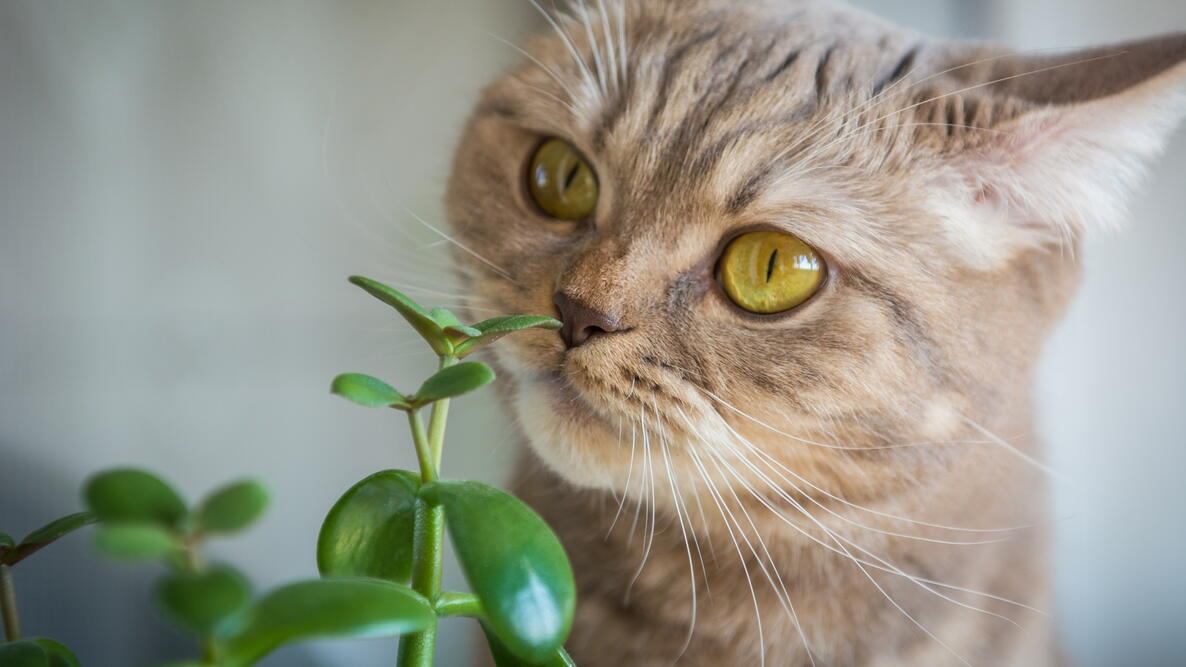

Which plants are toxic to cats? How about plants that are poisonous to dogs, guinea pigs, rabbits, and iguanas? Keep these common plants away from your pets!
We all enjoy our plants. However, pet owners need to be aware that some plants are toxic if their animal has a hankering to eat them!
You may already know that daffodils cause stomach upsets or vomiting (or worse) if your pet eats any parts of the plant. Many lilies are also considered extremely toxic; this can be more of a danger because lilies are often brought inside as houseplants or holiday decorations. But you may not know that foxglove and aloe vera are quite poisonous, too.
We’ve highlighted some of the most toxic plants below. However, there are more than 700 plants with toxic substances that are dangerous to dogs, cats, and other pets if ingested, so always make sure that you know whether any new plants you bring home are toxic or not!
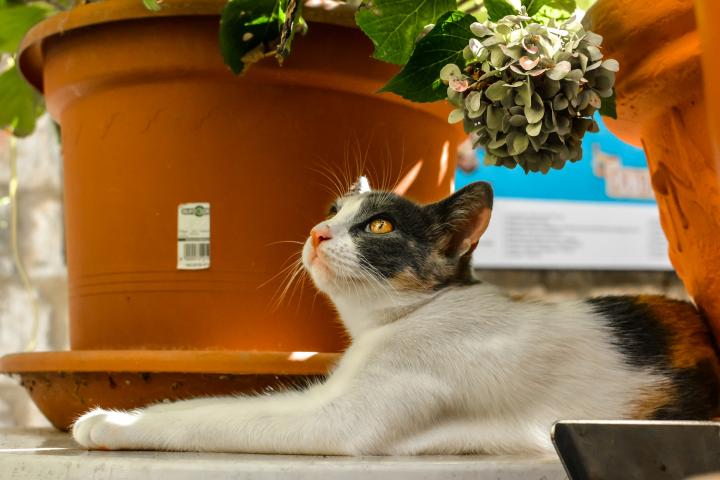
What Plants are Toxic to Cats?
Cats CANNOT eat:
- Aloe Vera
- Amaryllis
- Asian Lily
- Asparagus Fern
- Autumn Crocus
- Azalea (Rhododendron)
- Begonia
- Bittersweet
- Boxwood
- Burning Bush
- Calla Lily
- Castor Bean
- Christmas Rose/Lenten Rose
- Common or cherry laurel
- Carnations
- Catnip (Many cats love catnip, but it can cause vomiting and diarrhea.)
- Cyclamens
- Daylily
- Daffodil
- Dumb cane (Dieffenbachia)
- Easter Lily
- Elephant’s ears (Caladium)
- Forced indoor bulbs such as narcissus (Paper whites)
- Foxglove
- Geranium
- Holly
- Hyacinth
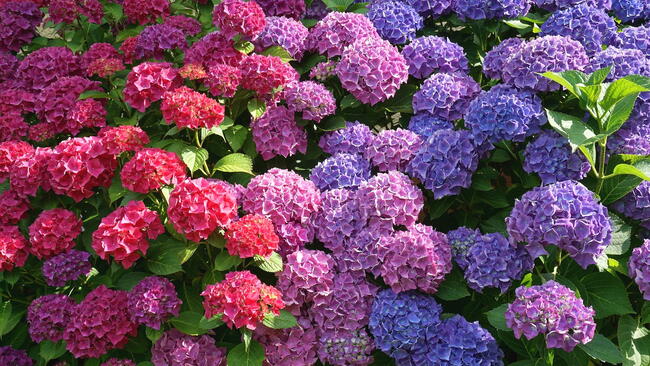
- Hydrangeas
- Larkspur
- Lily (true lilies)
- Lily of the Valley
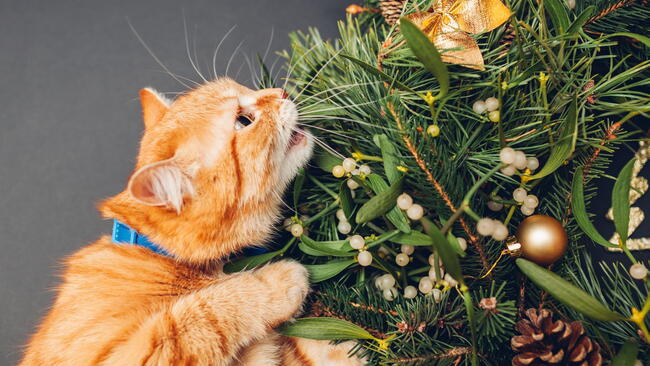
- Mistletoe
- Mums
- Oleander
- Philodendron
- Rubber plants
- Sago Palm
- Tiger Lily
- True Ivy
- Winter, or false Jerusalem, cherry
- Yew (bush)

Which Plants are Poisonous to Dogs?
Dogs CANNOT eat:
- Aloe vera
- Angel’s trumpet
- Autumn crocus
- Azalea
- Begonia (annual)
- Bittersweet (vine)
- Bleeding heart
- Boston ivy (vine)
- Boxwood (shrub)
- Burning bush (shrub)
- Calla lily
- Castor bean
- Chokecherry
- Christmas rose/Lenten rose
- Clematis (vine)
- Daffodil
- Daphne
- Daylily
- Easter lily
- Elephant’s ear
- English ivy (vine)
- Foxglove
- Holly
- Hosta
- Hyacinth
- Iris
- Jimsonweed
- Lantana (annual/houseplant)
- Lily (true lilies)
- Lily of the Valley
- Mistletoe
- Monkshood
- Morning glory (vine)
- Mountain laurel (shrub)
- Mums
- Nightshade, also called Belladonna
- Oleander (tree)
- Peace lily
- Potatoes (leaves, shoots, sprouts)
- Rhododendrons
- Rose of Sharon (shrub)
- Sago palm
- Tiger lily
- Tulip
- Wisteria (vine)
- Yarrow
- Yew (bush)
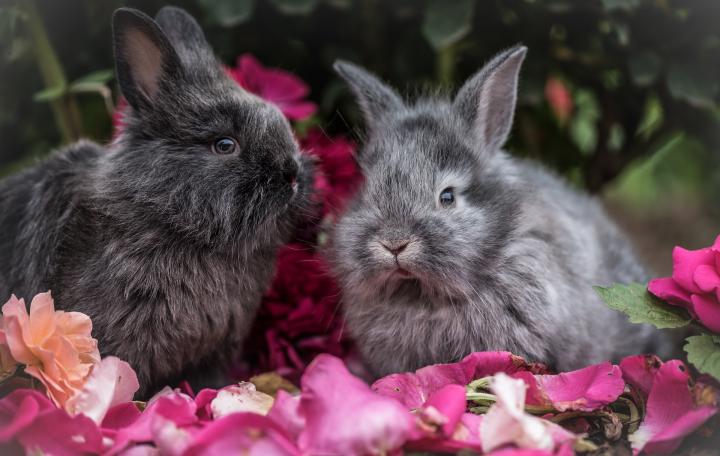
Which Plants are Poisonous to Guinea Pigs and Rabbits?
They CAN eat:
- Chickweed
- Coltsfoot
- Dandelion
- Goldenrod
- Green clover
- Groundsel
- Mallow
- Plantain
- Yarrow
- Asters
- Marigolds
- Nasturtiums
- Sunflowers
- Sweet Peas
They CANNOT eat:
- Buttercups
- Deadly nightshade
- Foxglove
- Scarlet Pimpernel
- Flowers of leaves from bulbs, such as tulips
- Lily of the valley
- Rhododendrons
Which Plants are Toxic to Iguanas?
Iguanas love fruits and vegetables, but sometimes pet iguanas don’t know the difference between poisonous and not poisonous, as wild iguanas instinctively do.
Iguanas CANNOT eat:
- Amaryllis bulbs
- Apple seeds
- Avocado pits, peels, foliage
- Azaleas
- Christmas Cacti
- Cyclamens
- Daffodil bulbs and sap
- Delphiniums
- Dumb cane (Dieffenbachia)
- Foxglove
- Hyacinth Bulb
- Hydrangea Flowers
- Impatiens
- Ivy (most kinds)
- Mistletoe berries and foliage
- Rhododendrons
- Tomato plant foliage and vines
- Tulips
- Wisteria
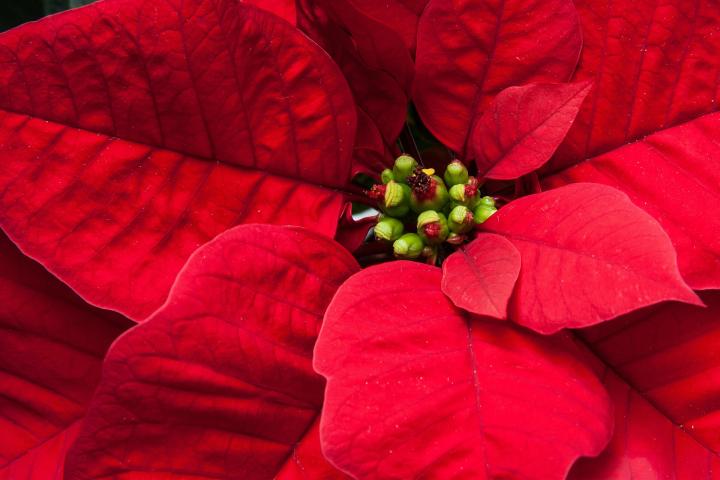
Are Poinsettias Poisonous to Pets?
This is one of our most common questions. Though they have a bad reputation, poinsettia (Euphorbia pulcherrima) plants are only mildly toxic to cats and dogs. There can be mild skin, eye, or tummy irritation. Due to the low level of toxicity seen with poinsettia ingestion, medical treatment is rarely necessary unless clinical signs are severe.
See more about harmful holiday plants.
Common Signs of Toxicity
If your pet exhibits these signs, it may have eaten something poisonous. Call your vet or the ASPCA poison control center immediately. If possible, bring a sample of the plant and tell the vet staff how much your pet ingested.
- Excessive salivation
- Vomiting
- Lethargy
- Rapid Breathing
- Racing or irregular pulse
- Cold extremities
Vulnerability to plant toxicities does depend on pet species, amount digested, and the size of your pet.
Pet Poison Control Centers
Please note: This is NOT a complete list! Find a full list and complete toxicity information on the website of a pet poison control center:
- Pet Poison Helpline, 855-764-7661: Available 24 hours a day!
- ASPCA Animal Poison Control Center, 888-426-4435
Related Content
Concerned about common pet pests? See which ones to look out for here.

More Like This


In general, it is good to keep in mind that certain pets may develop allergies, even though a food may be safe overall for an animal species. As to nuts, the ASPCA especially lists macadamia nuts as not good for dogs, as it can cause weakness, tremors, vomiting, hyperthermia, etc. within 12 hours; it isn't clear if it affects cats, but better to stay away. Black walnuts can also be especially toxic, at least to dogs. Nuts in general are not good for dogs and cats due to high content of oil and fats; the high fat can potentially cause vomiting and diarrhea, or sometimes pancreatitis, or just cause an upset digestive system, as it is not easy for the animal to process the fat. Avoid any moldy nuts or any salted nuts. As for peanut butter, if you do feed it to your pet, be sure that it does not contain xylitol, which is a sweetener that can be toxic to pets. So are there any nuts that cats and dogs can eat? It really depends on the amount and the nut, as well as the animal species and the individual pet. Overall, it's best to stay away from feeding any nut to a cat or dog; some of them are not toxic, but they can cause stomach upset, or allergies (depending on the pet), or even be a choking hazard. For best advice, we'd recommend consulting with a vet to be extra sure before feeding a nut to Fluffy or Fido. Hope this helps!
Thanks for bringing this to our attention, Sally. The Norfolk pine is also known as Australian pine, House pine, and Norfolk Island pine all under the same Scientific Name: Araucaria heterophylla and in the Family: Araucariaceae. You'll get no argument from us but for the record the ASPCA claims that this plant is non-toxic to both cats and dogs.
Happy to hear that your cat recovered!
Yes, chickweed is fine for guinea pigs. In fact, it's quite a tasty treat! To be positive of what's best for guinea pigs, check with the humane society.
- « Previous
- 1
- 2
- …
- 10
- Next »

Comments