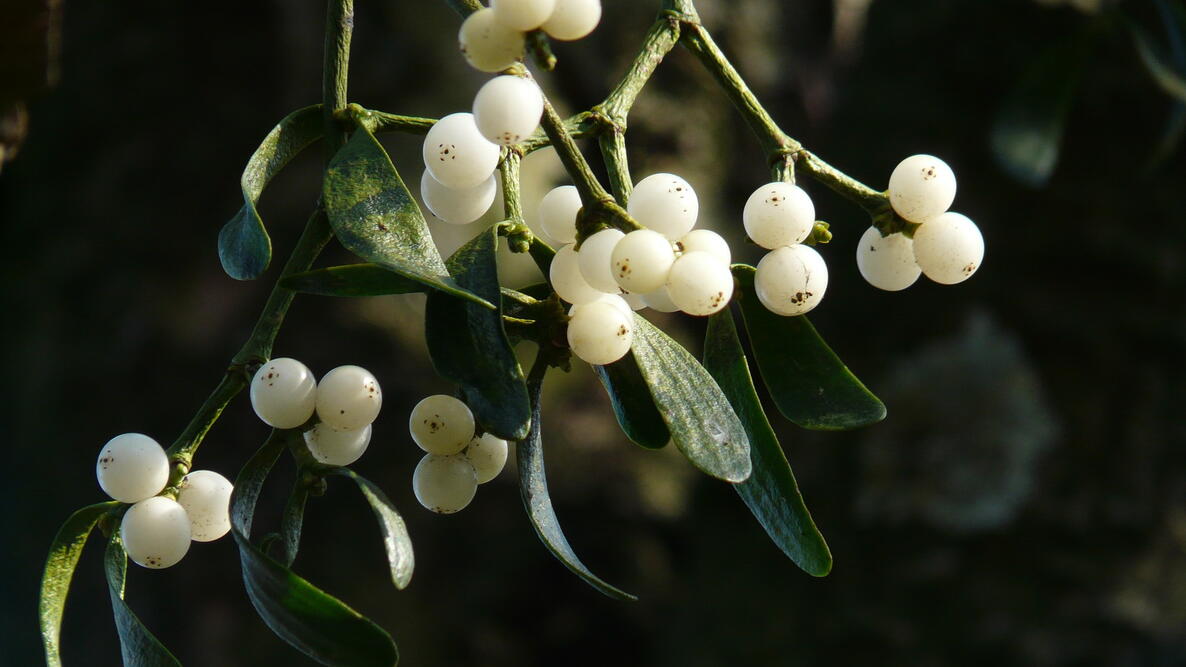

Long before twinkling lights and tinsel, our ancestors turned to nature to celebrate the darkness of the longest night of the year. As the Sun lingered low and the days grew short, they looked to evergreens, oak, holly, and mistletoe as symbols of hope and rebirth. These plants weren’t just decorations—they were reminders that even in the coldest depths of winter, life endures.
The Winter Solstice and the Return of Light
After the winter solstice, which is the shortest day of the year, the days will start to get longer. As the adage says, “When the days lengthen, the cold strengthens”—the winter solstice is sometimes followed by the season’s coldest weather. Even so, more light signals the climb toward summer, and each day bringing us closer to the spring equinox.

Nearly every ancient culture had myths surrounding the return of light after the winter solstice. As the Sun coursed lower in the sky, it seemed to ancient peoples that the Sun might be disappearing forever.
To encourage the Sun to return, bonfires were built, gifts for the gods were hung from the branches of pine trees, and evergreen plants were brought indoors to symbolize everlasting life. If it sounds a bit like Christmas, it’s because many pagan ceremonies were overlain with Christian holidays, resulting in familiar Christmas traditions.
The Symbolic Plants of the Winter Solstice
Certain trees and plants were important to the celebration of the solstice both as symbols and as decorations:
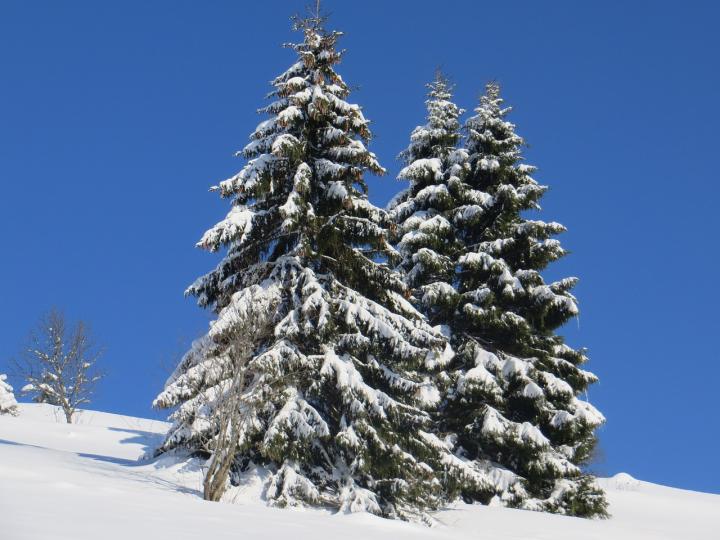
Evergreen Trees—Eternal Life
Evergreens were a symbol of immortality since they were the only trees to stay green when all the others lost their leaves.
Oak Trees—Strength and Renewal
Oak trees were revered for being long-lived. Even though they were not evergreen, they were symbols of eternal life and considered a source of protection, strength, and endurance. In Celtic tradition, the entire trunk of an oak tree was kept burning for 12 hours on the eve of the solstice. If the fire did not go out, it meant the household would be protected and have an abundant harvest and good health in the coming year. A piece of that log was saved and used to start next year’s fire because, as the old log was consumed by the flames, any problems from the old year were thought to go with it.
Hollies and Ivies—Protection, Faith, and Fertility
Holly was used for protection and good luck.
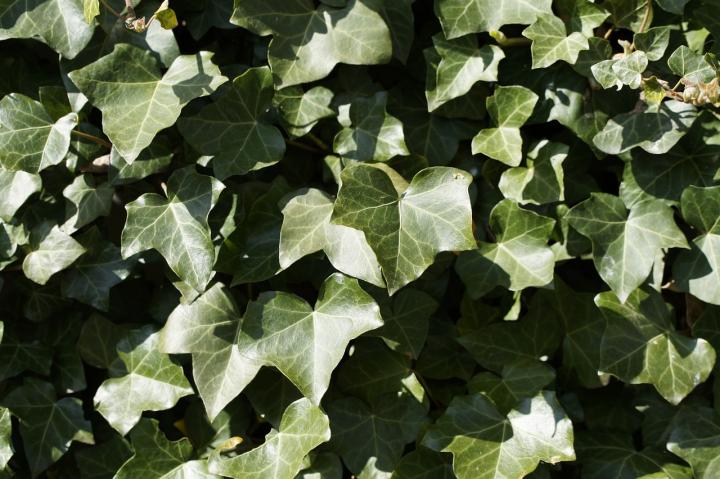
Ivy symbolized marriage, faithfulness, and healing, and was made into wreaths and garlands for winter decoration.
Rosemary and Birch—Hope and New Beginnings
Rosemary, an evergreen shrub in warm climates, was called the herb of the Sun.
Birch trees symbolized new beginnings.
Mistletoe—Peace and Happiness
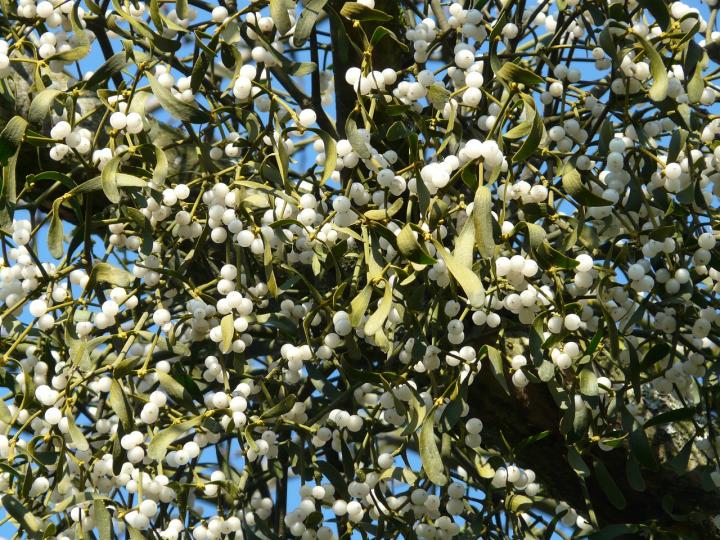
Mistletoe stood for peace and happiness. Learn more about mistletoe’s meaning and lore.
Yew—Eternal Life
Yews represented the death of the old year and were a connection between this world and the next.
Celebrate the Solstice Today
In Celtic tradition, one sacred place to be visited during the solstice time is an open area or hill that affords a view of the horizon in all directions. What better way to celebrate than to bundle up and climb to the top of the tallest hill? This is not a time to be hibernating; get outside and connect with the natural world in all its glorious seasons!
→ Learn more about the Winter Solstice.
Do you celebrate the solstice? Tell us about your traditions in the comments below.

More Like This

- « Previous
- 1
- 2
- …
- 10
- Next »

Comments