Planting and Growing Pincushion Flowers: Tips for Stunning Scabiosa Blooms

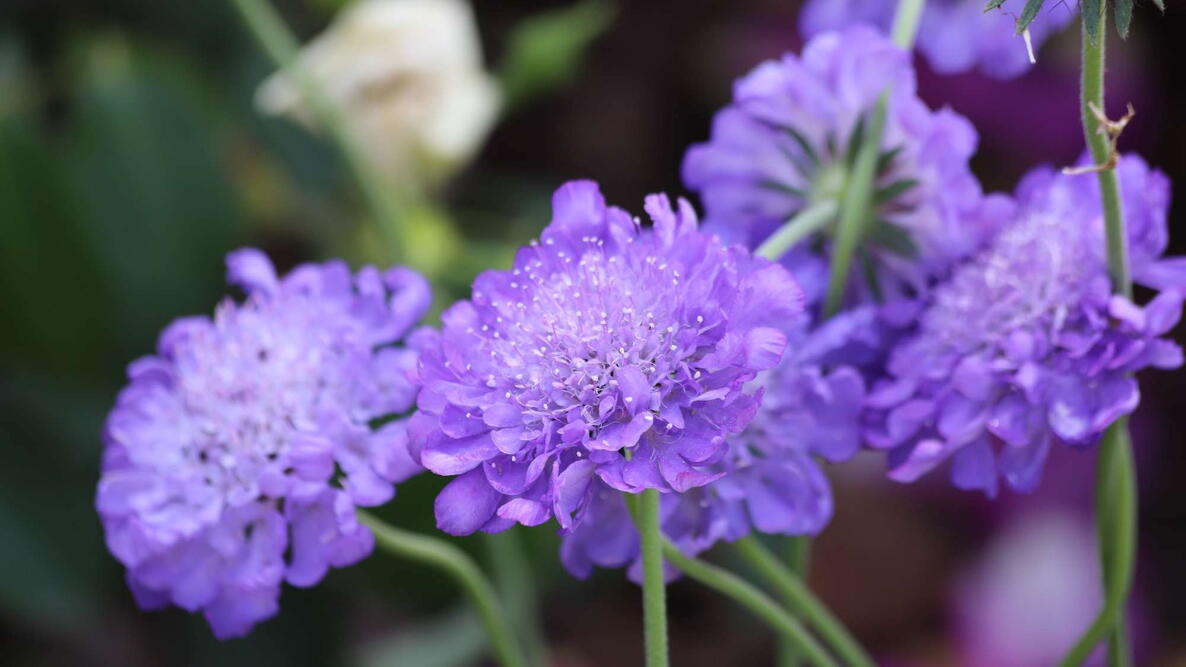
Scabiosa 'Butterfly Blue' (Pincushion Flower) in Garden

Caption

Scabiosa ‘Butterfly Blue’ (Pincushion Flower) in Garden

Photo Credit
Kabar
Botanical Name
Scabiosa
Plant Type
Sun Exposure
Bloom Time
Hardiness Zone
Subhead

Attract Pollinators, Brighten Your Garden, and Enjoy Long-Lasting Blooms

Written By: Samantha Johnson Author and Gardening Contributor

Ever seen a flower and thought, “Wow, that looks just like a sewing-kit pincushion”? That’s exactly the charm of pincushion flowers. Belonging to the Scabiosa genus, these vibrant annuals (and occasional perennials) don’t just look delightful—they attract butterflies, hummingbirds, and compliments from every passerby. Let’s dive into how to grow these eye-catching blooms and make your garden the place pollinators can’t resist.

According to the North Carolina Extension, some varieties, like S. atropurpurea, grow best as annuals, although they can occasionally overwinter in the right situation. The annuals lean toward being smaller than their perennial counterparts and tend to self-seed quite impressively. 

On average, pincushion flower plants reach 2 to 4 feet tall. The blooms themselves vary in size, too, from petite 1-inch flowers on some varieties up to larger 3½-inch flowers on others. They add beautiful layers of color to the garden and are a terrific landscaping choice for grouping or massing. They make great edging plants, too! 

Did we mention the pollinators? Butterflies and hummingbirds are big fans of pincushion blooms. And while Scabiosa might not immediately spring to mind when thinking of options for a cut flower garden, they make an absolutely stunning addition to cut flower bouquets and arrangements. They dry beautifully, so you can extend your enjoyment of their blooms into the winter months. 

If you like pollinator-friendly blooms and easy-to-grow flowers in beautiful colors, you’ll fall in love with pincushion flowers.

Butterfly landing on pincushion flower.
Butterflies and moths absolutely love pincushion flowers, and it’s a great choice to attract pollinators. Credit: Wirestock Creators 

Planting

Where to Plant Pincushion Flowers

The pincushion flower is of Mediterranean origin and is content in a full-sun situation, although it can tolerate a bit of shade, especially if you live in a location where the afternoon sun gets particularly hot. Generally, pincushion flowers like temperate climates that aren’t too hot and aren’t too cold. 

When to Plant

  • You can direct sow seeds in the garden in the spring, as soon as the threat of frost has passed.
  • Or, you can start seeds indoors 4 to 8 weeks before your last frost date. (See your local frost dates on the Almanac’s Frost Calculator.) Expect germination in about 10 days (give or take).

Many varieties of Scabiosa require over 90 days to maturity, so if you have a short growing season, it’s wise to start them indoors to give your seeds a head start. 

How to Plant

  • Whether you’re planting seeds indoors or out, lightly cover the seeds with 1/8 or 1/4 inch of soil. Don’t cover the seeds too much!
  • Wait until after your last frost to transplant outdoors. You’ll want to harden off the plants first.
  • When transplanting seedlings, space them 9 to 12 inches apart. If direct sowing, space seeds at the same distance or thin to that distance after germination.
  • You can also propagate perennial varieties of pincushion flowers by division. They are easy to grow from seed, though! 

Growing

While easy to grow, pincushion flowers will benefit from a bit of special attention during the growing season, especially when it comes to staking and deadheading. 

  • Pincushion flowers need well-draining soil. This is very important if you want to avoid root rot (which is always a good idea!).
  • The plants are somewhat drought tolerant.
  • Rich soil is hugely beneficial for pincushion flowers, so bring on the compost!
  • Deadheading is recommended by the PennState Extension.
  • As the season progresses, the stalks may need staking. They just require a bit of help in order to stand up straight, so give them a helping hand!
  • Full sun is ideal unless you’re in a very warm location with hot afternoon sun. In that case, a small amount of afternoon shade is acceptable.
  • Pincushion flowers are happy in neutral to alkaline soil with a pH of at least 6.0.
  • Some of the smaller varieties of pincushion flowers can be successfully grown in a container, but taller ones might not be as well-suited to container gardening

Harvesting

As previously noted, these beauties make lovely cut flowers, adding color and texture to arrangements. 

  • The sky is the limit for different combinations of bouquets containing pincushion flowers. You can choose varieties of different colors—or shades of the same color—or pair them with other popular cut flowers.
  • Pincushion flowers dry well. Just hang stems and blooms upside down in a dark area for a couple of weeks.
Bouquet of cut purple Scabiosa
Pincushion flowers bring delicate beauty to any room. Credit: Carol La Rosa

Pests/Diseases

Pincushion flowers are generally healthy plants except for their susceptibility to root rot. The University of Florida Extension says they have no significant problems. Just keep an eye out for:

  • Aphids
  • Mites
  • Whiteflies
  • Powdery mildew
  • Root rot

See our Plant Pest and Disease Library for tips on these problems.

But you can also rest easy: Deer don’t like pincushion flowers!

Wit and Wisdom

  • Pincushion flowers were originally believed to cure scurvy.
  • Scabiosa was historically used to treat skin conditions, including scabies, and the name derives from a Latin word for itching or scratching.
  • The pincushion flower is sometimes known as the mourning bride because of its dark blossoms and its association with widowhood in England in the 1700s.
  • It is also sometimes known as sweet scabious.
  • Thomas Jefferson is believed to have grown pincushion flowers at Monticello in the early 1800s.
  • Scabiosa comosa is the national flower of Mongolia. 

About The Author
Samantha Johnson

Samantha Johnson

Author and Gardening Contributor

Samantha Johnson is an award-winning author and gardening expert with over 20 years of experience cultivating heirloom vegetables and sharing her passion for rural living.She combines her deep knowled...