For daily wit & wisdom, get the Almanac newsletter.

How to Plant and Grow Tansy

Written By: Samantha Johnson Author and Gardening Contributor

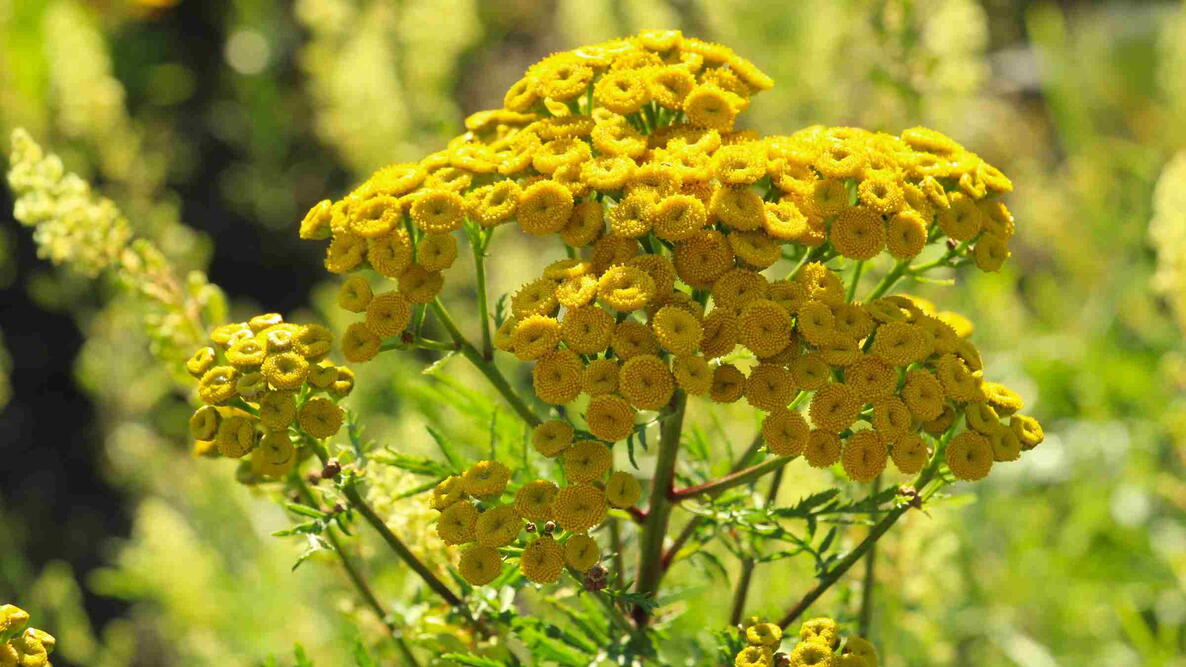
Also known as golden buttons, garden tansy, and bitter buttons, tansy is a tough-as-nails perennial herb that fends off pests, welcomes in pollinators, and looks “cute as a button” while doing it! If you want to add Old World charm to your veggie patch, spruce up garden borders, or bring a cottage garden to life, we’ll dig into everything you need to know about growing tansy in this guide —including how to plant it, care for it, and use its garden superpowers to your advantage.

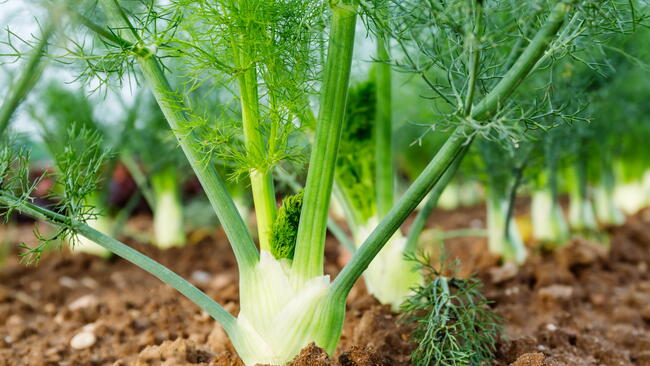
Note: Before planting, it’s important to know that tansy can be invasive and spread aggressively by seed and underground rhizomes. Be sure to check local regulations before planting, deadhead spent blooms, and consider growing tansy in containers or raised beds if you’re worried about its spread. If you’d prefer a more mild-mannered plant with a similar vibe, try out yarrow (Achillea millefolium), golden Marguerite (Anthemis tinctoria), or fennel (Foeniculum vulgare).

Planting

When to Plant Tansy

Tansy plants can either be grown from seeds, potted nursery stock, or plant divisions taken from healthy parent plants.

  • If you want to grow tansy from seed, direct sow the seeds outdoors after the last spring frost date. Chilling seeds in the fridge for a few weeks before planting helps them germinate better. You can also skip this chilling process and simply sow tansy seeds outdoors in fall after the ground freezes.
  • If you want to grow tansy from nursery stock, plant potted plants outdoors after the last frost date of spring or several weeks before fall frosts are expected in your area.
  • If you want to grow tansy from plant divisions, divide mature plants in fall several weeks before your first frost date and immediately replant the divisions.

Where to Plant Tansy

Tansy’s easygoing—just give it some sun (6+ hours is best) and decent drainage. These plants can handle dry spells and crummy soil, though they’re happiest in loamy ground. If you are worried about tansy spreading, grow plants in raised beds or in containers that are at least 12 to 16-inches in diameter.

If you want to use tansy’s pest-fighting abilities in your garden, consider companion planting it near your brassicas or nightshades. Studies suggest tansy can naturally deter a wide range of garden pests, including the Colorado potato beetle, the green peach aphid, and fall armyworms.

How to Plant Tansy

How to Plant Tansy Transplants

  • To plant, dig a hole that’s as deep as your plant’s root ball and slightly wider and amend the excavated soil with compost. Locate the tansy plant at the same depth it was previously growing and backfill the planting hole with soil. Water well, add mulch, and locate multiple plants 1 to 3-feet apart.

How to Plant Tansy Seeds

  • Tansy seeds benefit from cold stratification, which can be achieved either by planting the seeds in fall or by placing the seeds in the fridge for 2 to 4 weeks before spring planting.
  • To plant, sow tansy seeds shallowly — just  ⅛ to ¼ inch deep — then cover them with the lightest dusting of soil.
  • For proper spacing, sow seeds about 12-inches apart, or sow densely and thin the seedlings as they emerge to 1-foot spacing.
  • Keep the soil moist but not soggy until seedlings are established. Once grown, tansy is quite drought tolerant.

Growing

Watering

Tansy is tough and fairly drought-resistant when mature, so you definitely don’t want to overwater. Generally, these plants should be fine with rainfall only; however, if they look parched, water them deeply and then allow the soil to dry out completely before watering again.

Fertilizing

Fertile, well-draining soil sets tansy plants up for success, but soil type can vary and tansy isn’t picky. I like to blend compost into my planting site before growing tansy and then I side dress my plants with compost once a year in spring. These plants usually don’t need fertilizer, which can prompt leggy growth and floppy stems.

Pruning or Maintenance

To prevent tansy from spreading, plan on controlling the area around your tansy by mowing regularly. Then, make sure to remove any flowers before they go to seed.

Seasonal Care

Shearing tansy plants down to the ground after they bloom can prompt the plants to regrow more lushly and compactly. Leave the plants in place through winter or trim them back to the ground again before snows arrive. If you don’t cut the plants back before winter, remove the old stems in spring before the plants produce new leafy growth.

Like other perennials, tansy appreciates a bit of mulch and regular applications of compost in spring or fall.

Harvesting

When to Harvest

Tansy flowers can be harvested for fresh or dried bouquets in late summer when the flowers are fully open but haven’t gone to seed. This usually occurs sometime between July and September.

How to Harvest

To harvest, snip tansy flowers off the plant at a leaf node or harvest the flowers with long stems attached if you plan to dry them. Be sure to wear gloves for this process as tansy sap can cause skin reactions in some sensitive individuals.

Storage

Fresh tansy flowers can be displayed in a vase with water, but they can also be hung upside to dry for longer storage. Once dry, use the button-like blooms to spruce up dried arrangements, wreaths, garlands, and more.

Pests and Problems

Tansy is naturally hardy and resistant to most pests, including deer; however, plants can still succumb to a few stressors. Here are some common issues you may encounter while growing tansy, and how to help your plants recover fast. 

Common Problems

  • Floppy stems may occur if tansy plants are grown in low light conditions, watered improperly, or provided with too much fertilizer or rich soil. Adding supports can help in a pinch, but you can also refresh the look of your plants and prompt fresh growth by giving them a trim.
  • Aggressive spread is a big issue when growing tansy, especially in certain growing regions. Keeping plants in pots or raised beds and deadheading spent flowers before they drop seeds can help, but you may also want to consider growing less aggressive plants that have a similar vibe, like yarrow.

Common Pests

  • Aphids are pesky pests that feed on plant sap and can coat tansy with a sticky honeydew residue that sometimes turn dark with sooty mold. A strong blast from the garden hose is usually enough to dislodge feeding aphids, but aphids can also be controlled with companion planting or organic insecticidal soap sprays.
  • Caterpillars, including those of the painted lady butterfly, often feed on tansy plants, but they do minimal harm. I leave them be, knowing they’ll turn into butterflies soon enough!

Plant Diseases

  • Powdery mildew can set in if tansy is watered from the top-down or grown in overcrowded spots. Mildew problems typically result in powdery patches of mildew on plant leaves and stems, which can be managed with weekly applications of a spray made from 40% milk and 60% water.
  • Root root isn’t precisely a disease but it can kill tansy plants over time if their roots stay soggy too long. If you suspect root rot is setting in or your plants are overwatered, allow the soil to dry out thoroughly before watering again — and water more sparingly next time.

Wit and Wisdom

  • In ancient Greek mythology, the shepherd Ganymede used tansy as a magic potion to live forever. According to the North Carolina State Extension, the Greek word athanasia means “immortal” and is related to the name of the plant.
  • In past times, tansy was used as a good luck charm and sprigs were often placed above barn doorways in a manner similar to a horseshoe. Of course, tansy’s fly-repellent properties may have been the real reason!
  • A historic favorite, tansy was likely brought to North America by the pilgrims in 1620. Over the centuries, it’s been used in teas, old-time remedies, and even meat preservation. These days, it’s mostly grown for its ornamental value—and pest-fighting reputation!
Flowering tansy plant growing wild in a pasture
You’ll often find tansy patches in pastures and fields and along roadsides and ditches. Credit: Arcaion

About The Author

Samantha Johnson

Samantha Johnson

Author and Gardening Contributor

Samantha Johnson is an award-winning author and gardening expert with over 20 years of experience cultivating heirloom vegetables and sharing her passion for rural living.She combines her deep knowled...

Read more from Samantha Johnson