Planting and Growing Highbush Cranberry (Viburnum trilobum)

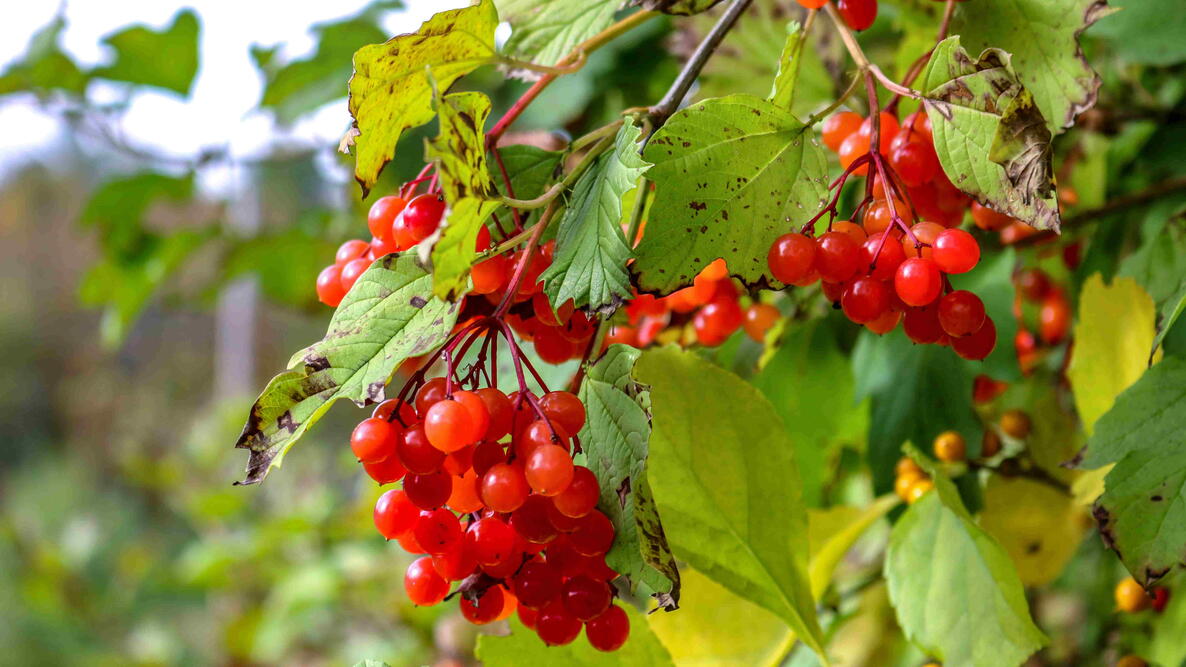
A close-up of a highbush cranberry during the autumn.

Caption

Bright red berries of highbush cranberry ripen in late summer and often remain on the shrub into fall.

Photo Credit
Lauraag/Getty Images
Botanical Name
Viburnum opulus var. americanum
Plant Type
Sun Exposure
Bloom Time
Flower Color
Hardiness Zone
Subhead

Planting, Care, Pruning, and Harvest Tips for This Hardy Native Shrub

Written By: Lauren Landers Master Gardener and Contributing Writer

Highbush cranberry is a hardy North American shrub grown for its showy spring flowers, bright red berries, and brilliant fall color. The berries also attract birds such as cedar waxwings, making this native viburnum a valuable addition to wildlife gardens and natural landscapes. This guide covers planting and growing highbush cranberry, including pruning, harvesting, and common care tips.

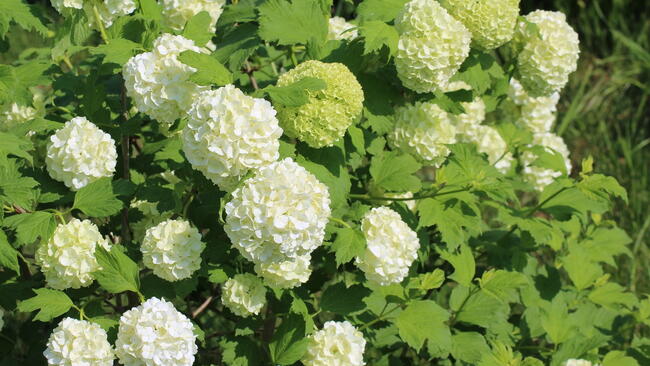
highbush cranberry shrub white flower clusters
Highbush cranberry produces flat clusters of creamy white flowers in late spring that later develop into bright red berries. Credit: Credit: Aleroy4/Getty

Plants typically grows 8 to 12 feet tall and wide with arching branches and flat clusters of creamy white flowers in late spring. Bright red berries develop by late summer and often persist into winter, attracting birds while adding seasonal color to the landscape. The berries are edible but very tart and are usually cooked into jelly, syrup, or sauce rather than eaten fresh.

Highbush cranberry shrub with red berries and colorful fall foliage
Highbush cranberry produces bright red berries and colorful fall foliage in autumn. Credit:    Alperen demirbas/Getty Images: 

Planting

Planting Highbush Cranberry

Highbush cranberry is usually planted as a bare-root or container-grown shrub from native plant nurseries or specialty catalogs. Choose healthy plants and select a planting site that allows the shrub room to grow.

When to Plant

Plant highbush cranberry in early spring after the soil has thawed. Fall planting is also possible if done at least 4 weeks before your first expected frost so the roots can establish before winter.

Where to Plant

Choose a site with full sun to part shade. For the best flowering and berry production, provide at least 6 hours of direct sunlight per day.

Highbush cranberry prefers slightly moist, well-drained soil but tolerates a range of soil types once established.

How to Plant

Before planting, remove weeds and grass from the area. Loosen the soil and mix in compost to improve drainage and fertility.

For potted plants: Gently remove the shrub from its container and loosen any circling roots. Plant at the same depth it was growing in the pot. Backfill with soil, water deeply, and apply mulch.

For bare-root plants: Soak the roots for 2 to 4 hours before planting. Set the crown level with the soil surface, then backfill with soil, water thoroughly, and mulch.

Space plants 6 to 10 feet apart. For hedges or screens, plant shrubs 2 to 3 feet apart.

Growing

Once established, highbush cranberry is a hardy, adaptable shrub that tolerates cold winters and a range of soil conditions. With the right sunlight, moisture, and occasional pruning, it requires very little maintenance.

Light

Highbush cranberry grows best in full sun, receiving at least 6 hours of direct sunlight per day. Plants tolerate partial shade, but flowering and berry production may be reduced.

Watering

Water regularly during the first growing season to help establish a strong root system. Once established, the shrub tolerates short dry periods but performs best with evenly moist soil.

Highbush cranberry naturally grows along woodland edges and near streams, so avoid letting the soil dry out completely during hot weather. 

Applying a layer of mulch around the base of the plant each spring helps conserve soil moisture and suppress weeds.

Fertilizing

In most garden soils, highbush cranberry requires little fertilizer. Applying a 2-inch layer of compost around the base of the plant in spring usually provides sufficient nutrients.

Pruning

Prune shrubs immediately after flowering in late spring or early summer. Remove several of the oldest stems each year to encourage new growth and more berries.

Growing in Different Climates

Highbush cranberry is extremely cold-hardy and grows well in USDA Zones 2 through 7, tolerating winter temperatures as low as -50°F once established. In colder climates, established plants typically require little winter protection beyond a layer of mulch around the roots.

In warmer climates, provide consistent moisture during hot weather, as plants may require extra watering during extended heat or drought.

Propagation

Highbush cranberry can be propagated from softwood cuttings taken in early summer.

  • Take cuttings. In mid-June to early July, cut 4- to 8-inch sections from healthy new growth.
  • Prepare the stems. Remove the lower leaves and dip the cut ends in rooting hormone.
  • Plant the cuttings. Insert the stems about 2 to 3 inches deep into pots filled with moist potting mix.
  • Provide humidity. Cover loosely with a clear plastic bag and place in bright, indirect light. Keep soil consistently moist.
  • Transplant. Roots usually form within several weeks. Move young plants outdoors the following spring or fall once well established.

Harvesting

Highbush cranberries typically begin producing fruit when plants are about 4 to 5 years old.

When to Harvest

Berries ripen from late August through September. For the best flavor, many gardeners wait until after a light frost, which softens the fruit and reduces some of its tartness.

Ripe berries are bright red and slightly soft to the touch.

How to Harvest

Harvest berries by clipping entire clusters or gently pulling individual fruits from the stems. Handle carefully to avoid crushing the berries.

Clusters of ripe highbush cranberry berries can be harvested by clipping them from the branch. Credit: Lex20/Getty Images

Storage

Fresh berries can be stored in the refrigerator for about one to two weeks. For longer storage, freeze the berries whole or cook them into jelly, syrup, or sauce.

The fruit is very tart and is usually cooked rather than eaten fresh. Many recipes strain out the seeds after cooking.

Pests/Diseases

Common Problems

Highbush cranberry is generally a hardy native shrub and rarely suffers serious pest or disease problems. However, gardeners may occasionally encounter browsing damage or insect feeding.

Leaves are skeletonized
Cause: Viburnum leaf beetle feeding.
Solution: Remove egg-infested twigs in fall and treat active infestations with horticultural oil if necessary.

Stems or buds are chewed
Cause: Deer browsing, especially during winter.
Solution: Protect shrubs with fencing or deer deterrents where browsing pressure is high.

Lower stems are gnawed
Cause: Rabbits feeding on young plants.
Solution: Use wire guards, fencing, or deterrent sprays to protect plants.

Wit and Wisdom

  • Despite its name, the highbush cranberry is not related to true cranberries. It is a viburnum shrub that produces tart berries commonly used for jelly, syrup, and sauces.
  • Highbush cranberries are known by a host of other names, including rose elder, marsh alder, dog rowan, crampbark, and guelder rose. The Latin name Viburnum means “wayfaring tree.”
  • Known as a “Keystone species” due to their importance for wildlife, highbush cranberries attract pollinators with their wide flowers that make easy landing pads for small insects. These plants are particularly favored by butterflies and moths like the Green Marvel and Pink Prominent.
  • Traditionally, these plants were used medicinally to treat uterine cramps, PMS, and other menstrual issues—hence the name “crampbark!”
Cedar waxwing perched on a branch of highbush cranberry with red berries
Highbush cranberry berries often remain on the shrub into winter, providing food for birds such as cedar waxwings. Credit: Doug Gordon

Cooking Notes

Highbush cranberry berries are very tart and usually not eaten fresh. They are most often cooked and used in jellies, syrups, sauces, and relishes.

The flavor becomes milder after frost, and the berries are sometimes compared to cranberries in taste. Strain the cooked fruit to remove the seeds before using the pulp in recipes.

About The Author
Lauren Landers

Lauren Landers

Master Gardener and Contributing Writer

Lauren is a gardener, writer, and public speaker with over a decade of experience helping others learn about gardening, homesteading, and sustainable living.She combines years of practical gardening a...