How to Get Rid of Bedbugs—and Keep Them Gone

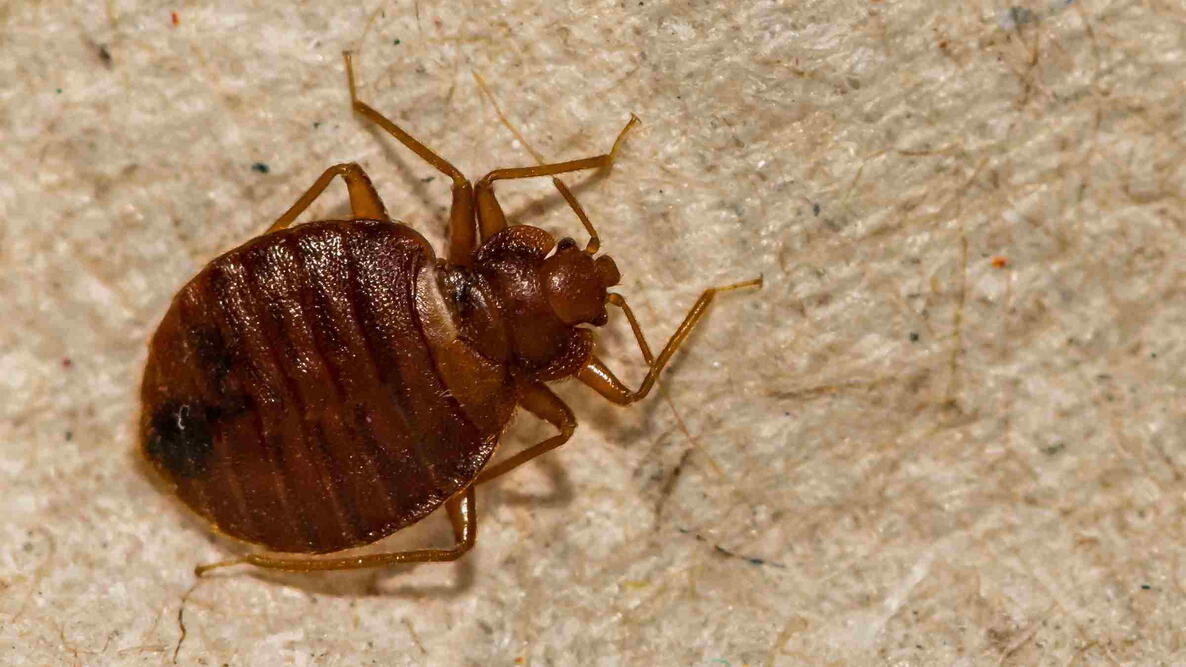
A Close up of a Bed Bug (Cimex lectularius)
Image Credit:
Jay Ondreicka
Written By: Christopher Burnett Garden Writer
Almanac Guide to Herbs

Is there anything worse than a pest that strikes while you sleep? We don’t think so! If you’ve found yourself dealing with bedbugs (or fear you might), this guide will walk you through how to identify, eliminate, and prevent them—with confidence.

What Are Bedbugs?

Bedbugs are small, parasitic insects that feed on human (and sometimes pet) blood, typically while you sleep. The species most commonly found in homes is Cimex lectularius, also known as the common bed bug. This species tends to feed exclusively on human blood (but can feed on the blood of household pets, too). 

It’s believed that the common bedbug evolved from a similar parasitic insect, the bat bug, in Mediterranean Europe and the Middle East thousands of years ago. Because they feed on human blood, they tend to be seen mostly in areas with higher human populations. They are more common in developing countries, though outbreaks occasionally occur in developed countries, too. 

In the Western world, their populations had diminished drastically in size during the second half of the 20th century, thanks to technological advances and improved living conditions. However, they have seen a resurgence in recent years.

Where Do You Find Bedbugs?

Bedbugs are excellent hitchhikers. They can tag along on:

  • Luggage and backpacks
  • Secondhand furniture and clothes
  • Hotel bedding
  • Public transportation upholstery

Once inside, they hide in cracks, crevices, mattress seams, headboards, and baseboards—and even behind wallpaper. They’re mostly nocturnal and come out at night to feed.

In apartments, bedbugs can spread between units through walls, ceilings, vents, and electrical outlets—so even tidy homes aren’t immune.

Bedbugs on a slatted wooden bed frame.
Bedbugs (Cimex lectularius) on slatted wooden bed frame. Credit: Simon Berenyi

Identification

What Do Bedbugs Look Like?

Contrary to popular belief, all life stages of the bedbug—from egg to nymph to adult—are visible to the naked eye, though even the adults are quite small. 

  • Adults: Flat, oval, reddish-brown, about ¼ inch long (size of an apple seed)
  • Nymphs: Smaller and paler; they turn red after feeding
  • Eggs: White, pinhead-sized, sticky, and hard to spot

Bedbugs shed their skin as they grow, so shed exoskeletons are a telltale sign of an infestation.

Bedbugs in the crevices of a mattress.
Bedbug colony on a mattress cloth. Credit: Georgy Dzyura

Signs of a Bedbug Infestation

Often, you’ll become aware of bedbugs because of the appearance of red bites on your body. If you notice a bite, look around the seams of mattresses, box springs, bed frames, and nearby furniture. Check for clues:

  • Red or rust-colored spots on sheets (bug feces or crushed bugs)
  • Tiny dark specks (droppings) near mattress seams or headboards
  • Molted exoskeletons or live bugs in mattress folds
  • Musty, sweet odor (in heavy infestations)
  • Bites on exposed skin are often in clusters or rows

Bedbug Bites

Not everyone reacts to bedbug bites. When they do, symptoms may include:

  1. Small, red, itchy welts (often in lines or clusters)
  2. Burning or stinging sensation
  3. Rash-like irritation

Bites typically appear on arms, legs, neck, face, and back. Fortunately, bedbugs do not transmit diseases, but the itching and anxiety can disrupt sleep and comfort.

Do not confuse bedbug bites with chigger bites. Chiggers are outdoor bugs.

A woman scratching her shoulder where bedbug bites are evident.
Bedbug bites. Credit: MarijaBazarova

Control and Prevention

How to Get Rid of Bedbugs 

By far, prevention is the best way to fight bedbugs. Once bedbugs invade your home, they are very difficult to remove without seeking professional help. Their small size and tendency to hide in tiny crevices make it almost impossible to vacuum them up thoroughly, and most common pesticides are ineffective. 

Step 1: Confirm the Infestation

Check mattress seams, headboards, and nearby furniture for signs. Use a flashlight and magnifying glass to inspect tight spaces.

Step 2: Clean and Contain

  • Launder all bedding, clothes, and curtains in hot water, then dry on high heat for at least 30 minutes.
  • Vacuum thoroughly (mattress, bed frame, floors, baseboards). Immediately seal and dispose of vacuum contents.
  • Steam all affected areas with a device that reaches at least 120°F.
  • Use bedbug–proof covers on mattresses and box springs.

Step 3: Use Targeted Treatments

  • Diatomaceous earth (food grade): Sprinkle around baseboards and cracks. It kills bugs by dehydrating them.
  • EPA-approved sprays: Use labeled contact or residual sprays specifically made for bedbugs. Follow instructions carefully.
  • Bedbug interceptors: Place under bed legs to trap bugs and monitor activity.

Step 4: Call the Pros

If the infestation persists, hire a licensed pest-control expert. Professionals may use:

  • Heat treatments (up to 130°F or even higher)
  • Insecticide combinations
  • Cryonite (CO₂ freezing)
  • Integrated pest management (IPM) for long-term results

What Doesn’t Get Rid of Bedbugs

  • Essential oils alone
  • Tossing your mattress (they’ll just hide elsewhere)
  • Sleeping in a different room (they’ll follow you)
  • Waiting them out (they can live months without feeding)

How to Prevent Bedbugs

When Traveling

  • Inspect hotel beds and headboards before unpacking.
  • Keep luggage off the floor and bed—use racks if available.
  • Store clothes in sealed bags inside your suitcase.
  • On return, immediately wash all clothes in hot water and dry on high heat.

At Home

  • Reduce clutter where bugs can hide.
  • Use mattress and pillow encasements that zip shut.
  • Regularly vacuum and inspect sleeping areas.
  • Seal cracks in walls and baseboards.
  • Be cautious with secondhand furniture and clothes. Inspect and launder immediately.

Final Thoughts

Bedbugs are persistent, but with the right approach, you can win the fight. The key is quick action, thorough cleaning, and—when needed—professional backup. You’re not alone, and there’s no shame in it; one in five Americans deals with bedbugs at some point.

Got a tip or question about bedbugs? Share it in the comments below — and sleep tight!

About The Author
Christopher Burnett

Christopher Burnett

Garden Writer

Having grown up in rural New Hampshire, Chris has a great appreciation for all things outdoors, especially when it comes to native flora and fauna. Chris is an avid gardener, maintaining a small ...