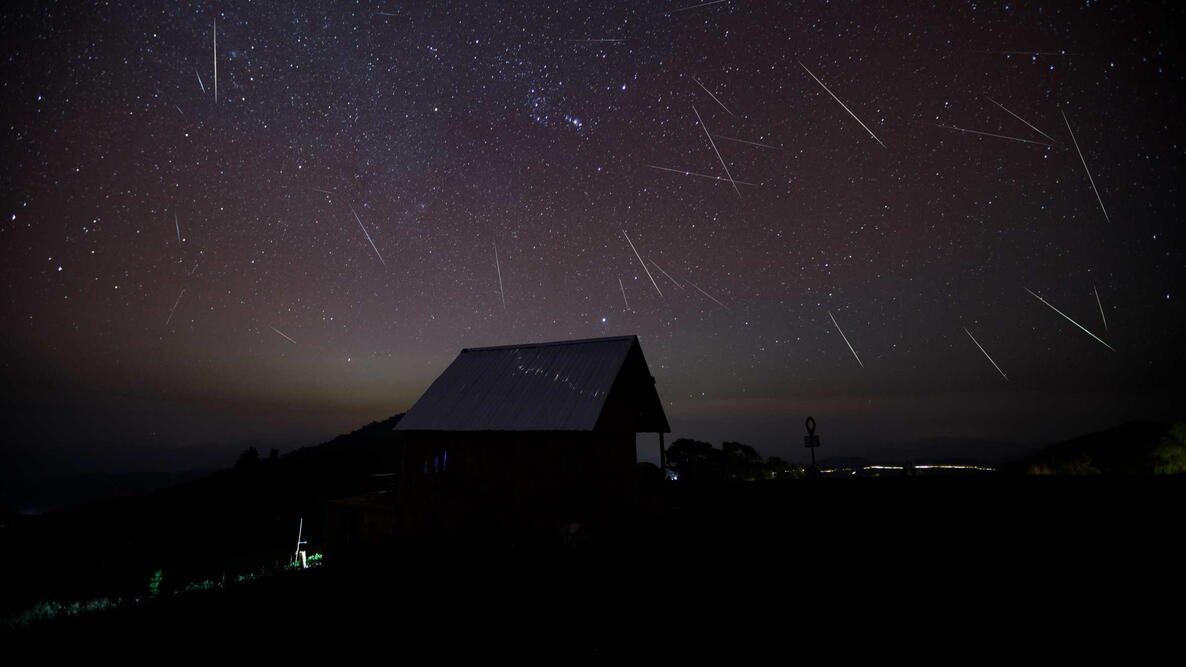
Caption
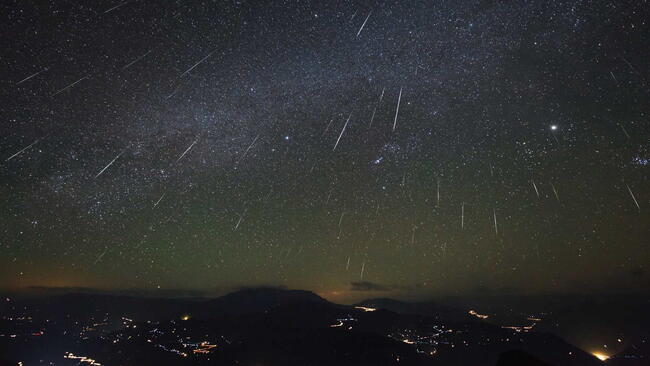
On a dark night, free of moonlight, you can easily spot 50 or more meteors per hour during the Geminid Meteor Shower.

December is a fantastic month for stargazing. From bright moons and sparkling meteor showers to planets visible to the naked eye, this month is packed with sky‑watching opportunities. Whether you’re a beginner or just curious, this guide will help you spot December’s Full Moon, meteor showers, planets, and other astronomy events. Read on to find out what to look for, when, and how to see it.
December 2025 Sky Events Chart
| Date | Event | Details | Best Viewing Tips |
|---|---|---|---|
| Dec 4 | Full Moon (Cold Supermoon) | Moon fully illuminated and slightly larger/bright due to proximity to Earth. Occults Pleiades star cluster. | Evening sky; binoculars or telescope for Pleiades. |
| Dec 7 | Mercury at Greatest Western Elongation | Mercury is at its highest point above the eastern horizon just before sunrise. | Look low in the east just before sunrise. |
| Dec 13–14 | Geminid Meteor Shower | Up to 120 meteors/hour; slow, bright, often colorful. Radiates from Gemini. | Dark location; after 8 p.m., peak around midnight–pre-dawn. Thin crescent Moon won’t block much. |
| Dec 20 | New Moon | Moon not visible; dark skies perfect for faint stars, galaxies, star clusters. | Evening and night; best for deep-sky observation. |
| Dec 21 | Winter Solstice | Shortest day in Northern Hemisphere; start of winter. | Evening sky, after sunset. |
| Dec 21–22 | Ursid Meteor Shower | Minor shower, 5–10 meteors/hour; occasional bursts higher. Radiates from Ursa Minor. | Dark location; after midnight. New Moon ensures dark skies. |
| All Month | Venus (Evening Star) | Bright planet visible in southwestern sky. | Early evening; easy to spot as a bright point. |
December 4 – Full Moon: The Cold Supermoon
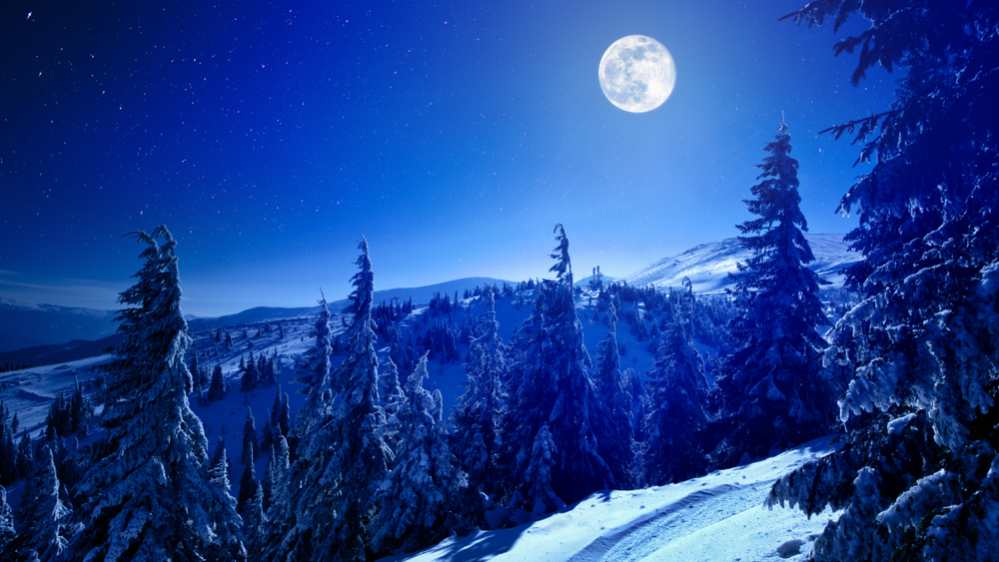
On December 4, the Moon reaches its full phase, fully illuminated by the Sun. This Full Moon is also a supermoon, appearing slightly larger and brighter than usual because it’s near its closest point to Earth.
Early Native American tribes called it the Cold Moon, as December nights are long and chilly. Other names include the Long Nights Moon or Moon Before Yule. See our December Full Moon Guide for more details.
Bonus: The Moon will occult the Pleiades star cluster, briefly covering this famous group of stars—a treat if you have binoculars or a small telescope.
Timing: Full Moon occurs at 23:15 UTC (6:15 PM ET). For other time zones, use a reliable time zone converter from The Old Farmer’s Almanac
.
December 7 – Mercury at Greatest Western Elongation
Mercury reaches its greatest western elongation on December 7, appearing at its highest point above the eastern horizon just before sunrise. This is the best time to spot the elusive planet.
Viewing tip: Look low in the eastern sky just before sunrise. Early risers get the reward of seeing Mercury at its most visible.
December 13–14 – Geminid Meteor Shower
The famous Geminids are often considered the best meteor shower of the year. On the nights of December 13–14, you could see up to 120 meteors per hour, streaking across the sky.
In 2025, the Moon will be a thin crescent, so its light won’t interfere much—making it an excellent year to watch. Geminids are slower and brighter than many other meteor showers, giving you more time to enjoy each meteor. The best time to view is after 8 p.m., with peak activity around midnight to pre-dawn.
Here is more information about viewing the famous Geminid Meteor Shower.
December 20 – New Moon
On December 20, the Moon reaches its new phase and will not be visible. The New Moon is the perfect time for observing faint objects like galaxies and star clusters, as there’s no moonlight to wash out the sky.
Timing: New Moon occurs at 01:45 UTC (8:45 PM ET, Dec 19). Use this time zone converter for other locations.
December 21 – Winter Solstice
The December solstice occurs on the morning of December 21 at 10:02 AM ET (15:02 UTC). In the Northern Hemisphere, it’s the first day of winter, with the shortest day and longest night of the year. In the Southern Hemisphere, it marks the start of summer.
Celebrate by observing the night sky, especially after sunset, and be reminded of how Earth’s tilt affects the seasons. Read more about the winter solstice.
December 21–22 – Ursid Meteor Shower
The Ursids are a smaller meteor shower, peaking overnight from December 21–22. Expect about 5–10 meteors per hour, though occasional bursts can be much higher.
Good news! The new Moon on December 20 ensures dark skies for easy meteor spotting. The best time for reviewing is after midnight in a dark location. Meteors radiate from the Ursa Minor constellation but can appear anywhere in the sky. See the full meteor shower calendar for more details.
Other Highlights
- Venus (Evening Star): Visible all month in the southwestern sky, shining brightly as a “star-like” point. Look early in the evening.
- Moon and Pleiades: Watch the Moon pass in front of this star cluster on December 4 for a unique celestial sight.
- The North Star is visible on clear December nights. Look up and see that the stars are in constant motion as they rotate around the North Star! See the map of the December Night Sky.
Tips for Beginners:
- Give your eyes 10–15 minutes to adjust to the dark for the best stargazing experience.
- Dress warmly; December nights can be cold!
- Find a dark spot away from city lights for meteor showers.
December 2025 is full of opportunities to explore the night sky. From dramatic meteor showers to the Cold Supermoon and visible planets, there’s something for every beginner stargazer. With this guide, you’ll know exactly what to look for, when to look, and how to enjoy it safely.

More Like This

Comments