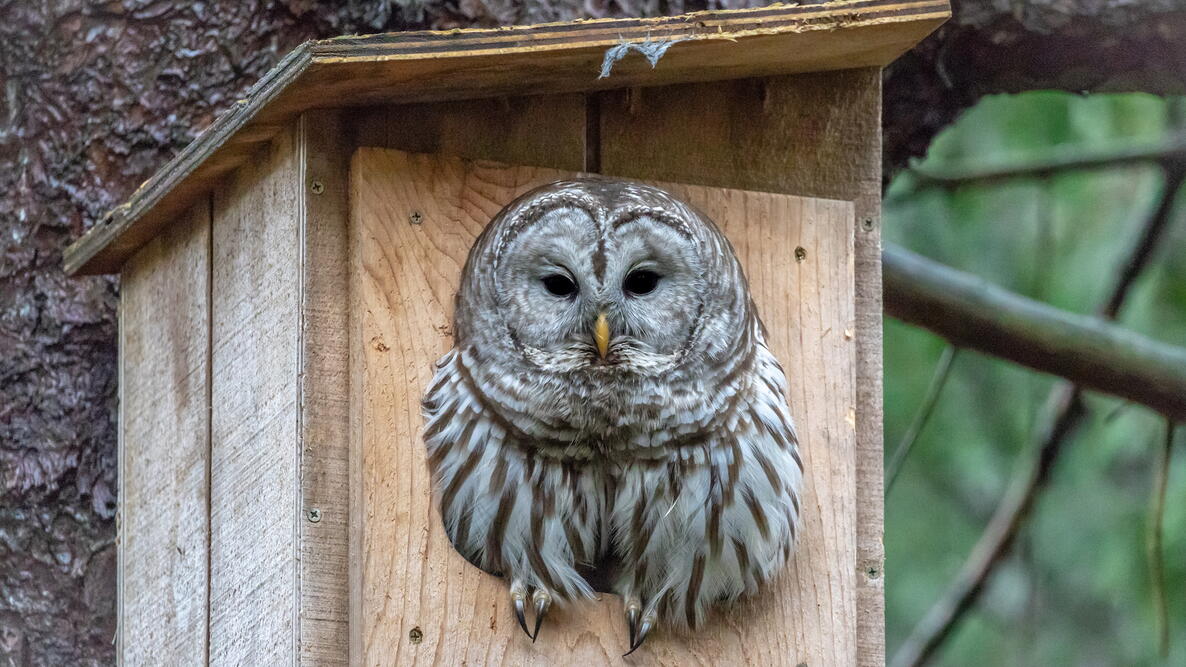
Caption
Barred owl box, Ridgefield, CT.

Owl nesting season begins in winter, when many of North America’s owls start preparing for parenthood despite cold temperatures and snow-covered landscapes. While most birds wait for spring, owls take advantage of winter’s quiet months to claim nesting sites, lay eggs, and begin raising their young. From choosing nests to incubating eggs in freezing conditions, owl nesting habits are a remarkable example of adaptation and survival.
Barred Owl vs. Great Horned Owl
Both the Barred Owl and the Great Horned Owl are well into their domestic duties in winter. Males generally find a nesting site by January. Despite the cold, eggs are laid through March, as this gives the large bird’s chicks enough time to develop before spring arrives. Learn more about these fascinating owls.
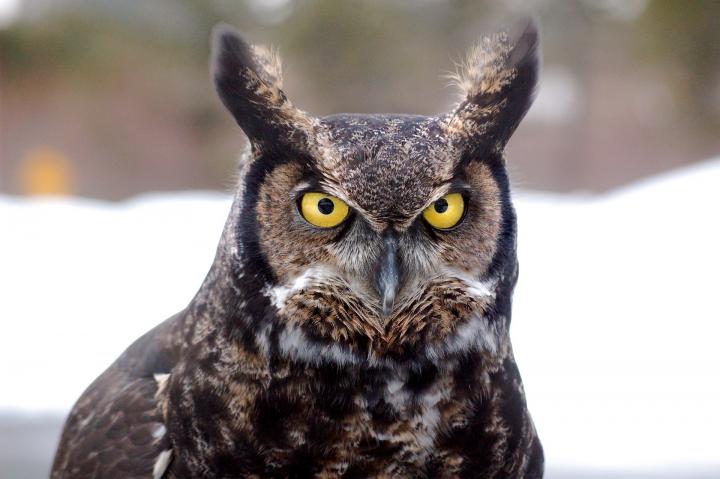
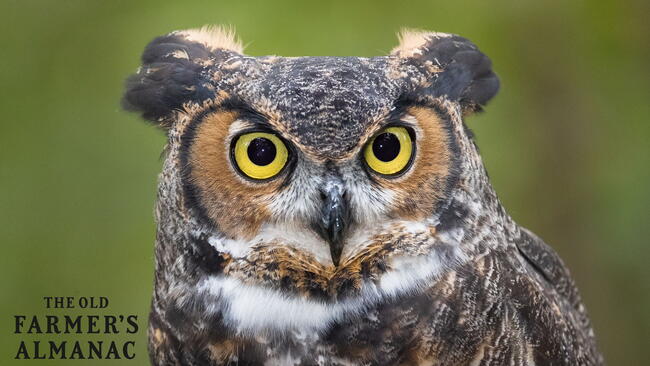
- The Great Horned Owl is very large with yellow eyes and ear-like tufts. When we think of an owl, this is the storybook image we usually conjure up. (That makes sense: it’s the most widespread owl species in North America!) A nocturnal and fierce predator, this owl is capable of taking down birds and mammals even larger than itself, but it also dines on smaller prey such as rodents, frogs, and scorpions. Ever heard their deep, hooting voice? Listen to the call of the Great Horned Owl.
- Barred Owls are smaller than the Great Horned Owl (but larger than Barn Owls) and are attractive white-and-brown striped birds. Barred Owls tend to hunt during daylight hours in February and March, seeking prey for incubating females. Active early in the morning and at night, you may recognize their classic forest sound, “Who cooks for you? Who cooks for you all?” They can surprise you, flying noiselessly through the air.
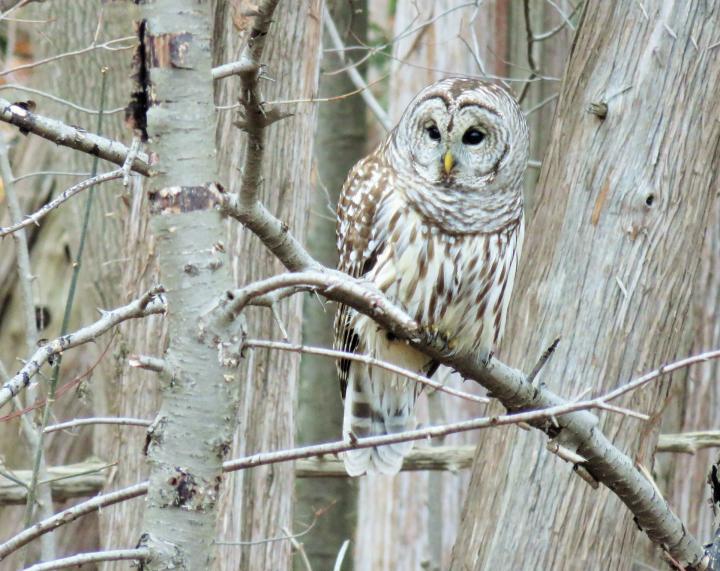
Try imitating the call with your own voice and then wait quietly. If you’re lucky, a territorial Barred Owl will fly in to investigate you!
Listen to the Barred Owl
Interestingly, the Great Horned Owl is the most serious predatory threat to the Barred Owl. Although the two species often live in the same areas, a Barred Owl will move to another part of its territory when a Great Horned Owl is nearby. Otherwise, Barred Owls don’t migrate, and they rarely travel more than a few miles from their mating area.
How and Where Owls Build Their Nests
Both owl species tend not to build their own nests. Instead, they will spruce up an old nest made by another animal. Nests are lined with bark, feathers, animal fur, and leaves, but by the end of the nesting season, the nest deteriorates to a few sticks. Keep in mind: When owls are nesting, they’re very territorial. If an owl swoops down near you, they’re just focused on mating and nesting—and will chase away intruders while hooting loudly.
- The Great Horned Owl uses tree nests of other birds such as hawks, crows, squirrels, and Great Blue Herons, but will also use tree cavities, snags of broken trees and wood platforms, and occasionally a building or barn. The most commonly used nest is that of the Red-tailed Hawk.
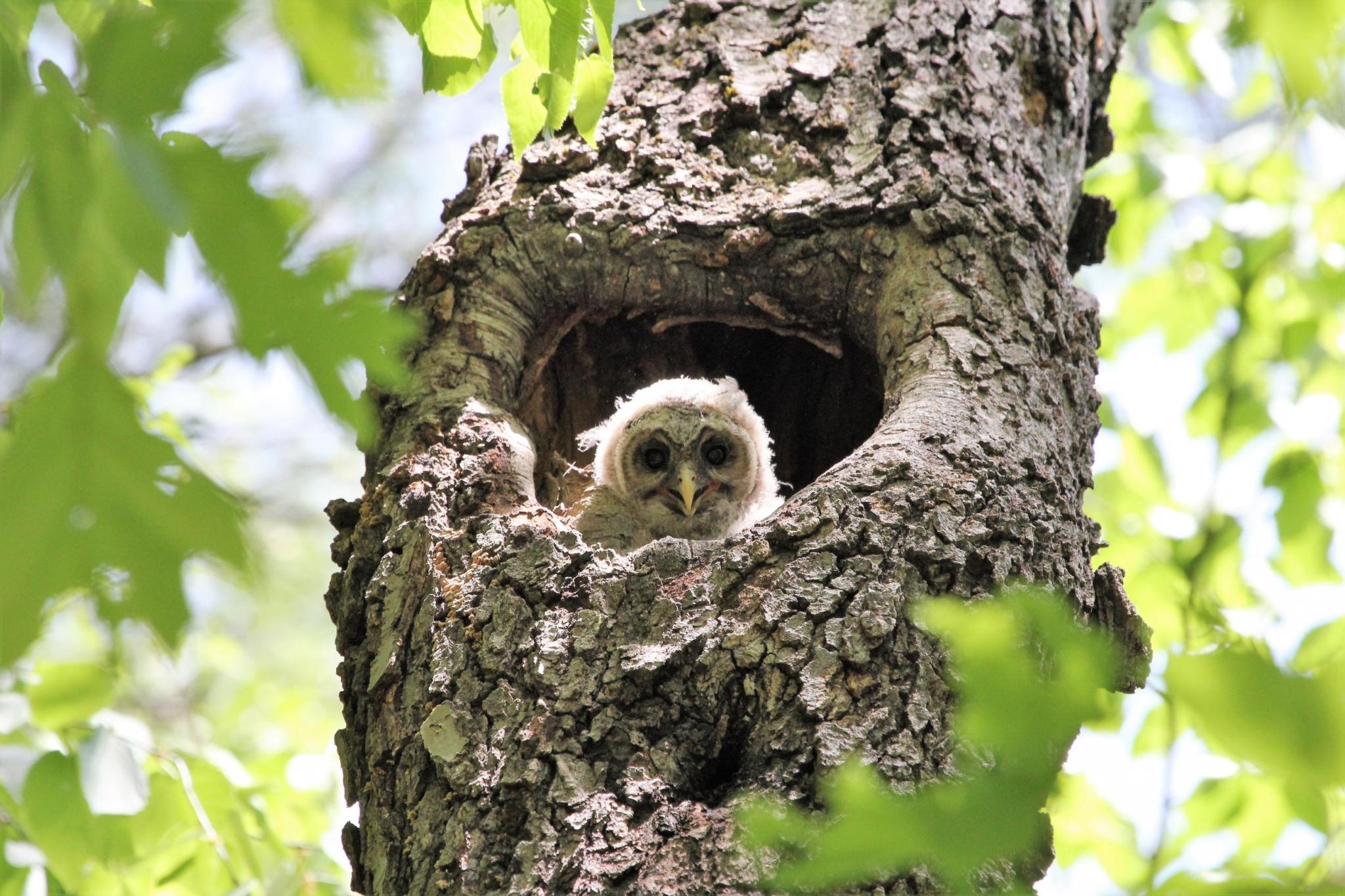
- Barred Owls often use natural cavities in trees, about 20 to 40 feet high. They may also use stick platform nests built by other animals (including hawks, crows, ravens, and squirrels), as well as human-made nest boxes.
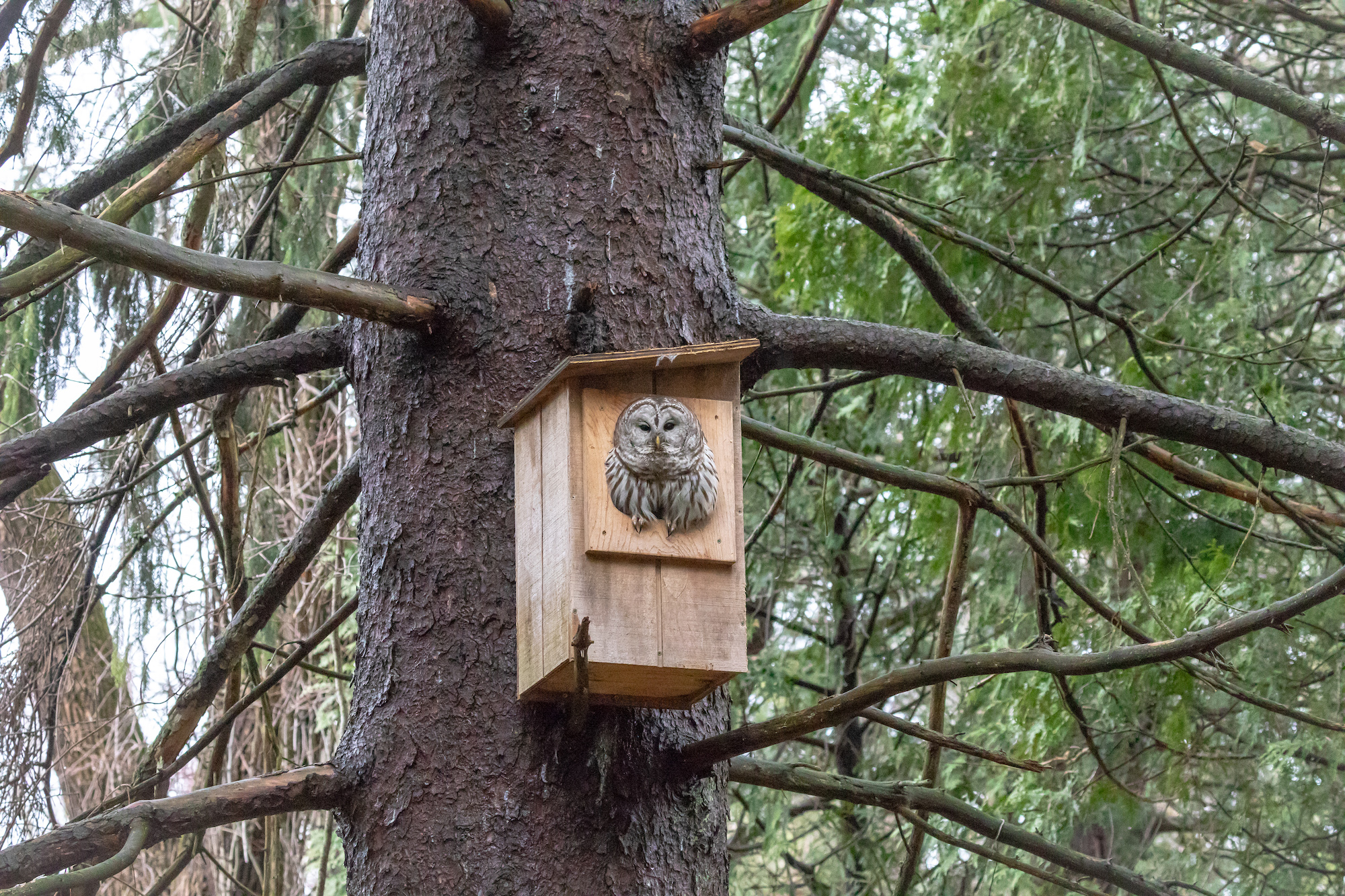
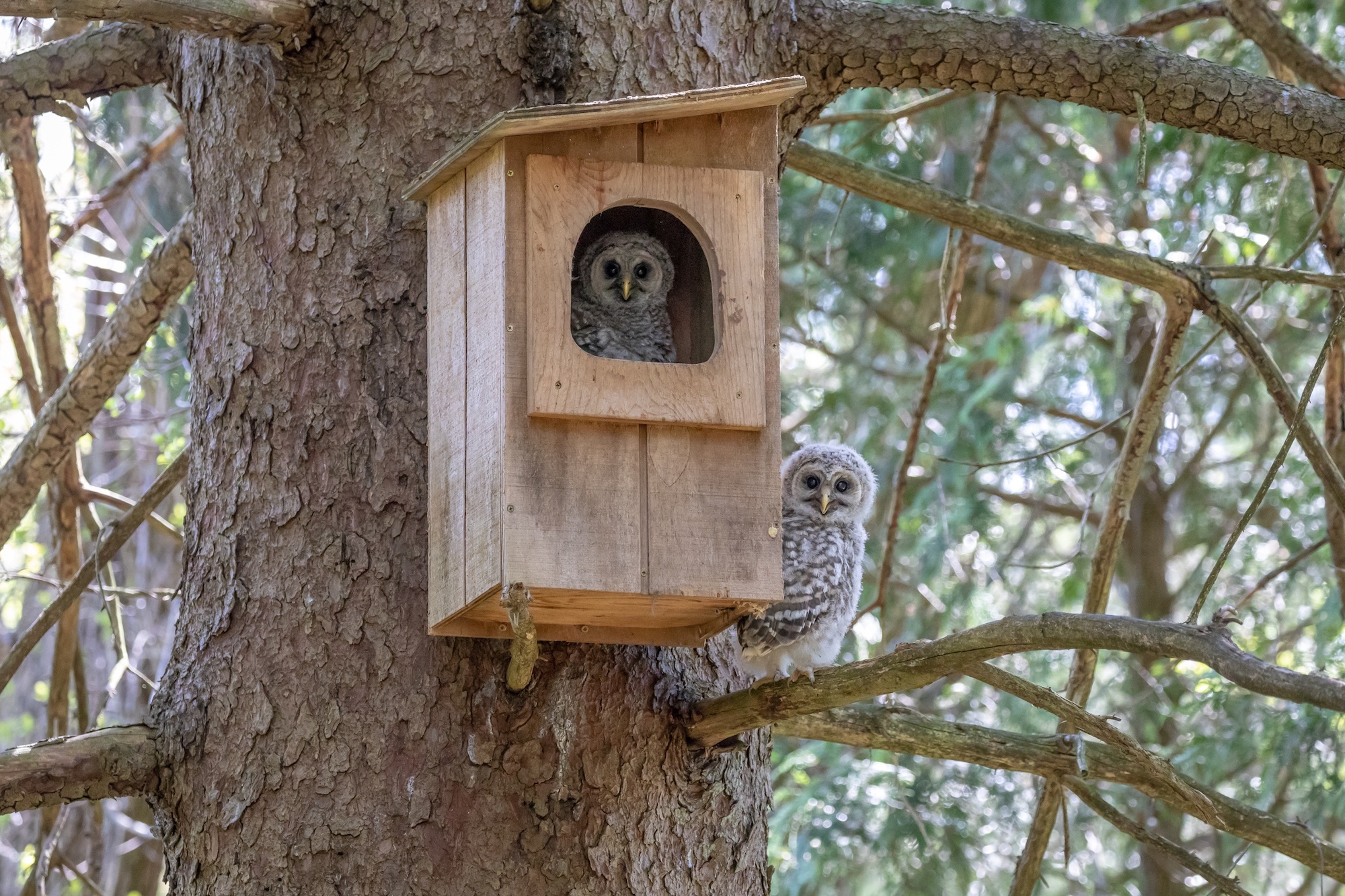
Consider putting up a nest box to attract a breeding pair. Make sure you put it up well before breeding season (late winter/early spring). Attach a guard to keep predators from raiding eggs and young.
Owl Eggs, Incubation, and Cold Weather Survival
Laying Eggs
For both the Great Horned Owl and the Barred Owl, about 2 to 3 eggs are laid 2 to 4 days apart. Females can incubate eggs in temperatures as low as -35°F (-37°C), and eggs have been known to survive at -25°F (-31°C) for up to 20 minutes while the female takes a break from incubation duties!
The eggs hatch in about 33 days. The female incubates the eggs while the male brings food to her at the nest. In the case of the Great Horned Owl, skunk is a favorite food, so it is not unusual to smell the scent of a skunk near a nest at this time of year. Mice and smaller birds are preferred by the Barred Owl.
The owls have thick feathers to keep the young warm. Even their legs and feet are feathered! Plus, the young hatch with a layer of fluffy down to keep them warm. Early nesting might give the young time to learn hunting skills before the next winter. In years of low mouse or squirrel populations, however, many eggs do not hatch, and many young do not survive.
About every third year, females decide that motherhood requires a rest, and they do not lay eggs!
Owlets
Young birds rapidly increase their weight from 35 grams (0.77 lbs.) at birth to 1000 grams (2.2 lbs.) for females and 800 grams (1.76 lbs.) for males in less than a month (25 days). They leave the nest in about 40 days, ready to take on the world.
While still in the nest, the mother owl will tear food into small pieces and feed it to the owlets. She will hunt all day and most actively at dusk, often waiting patiently for hours for something to catch. Then, she glides silently through the air to catch her prey.
Thankfully, if an adult owl dies, the remaining adult can successfully raise the young alone. At 7 weeks, young owls are already capable of short flights.
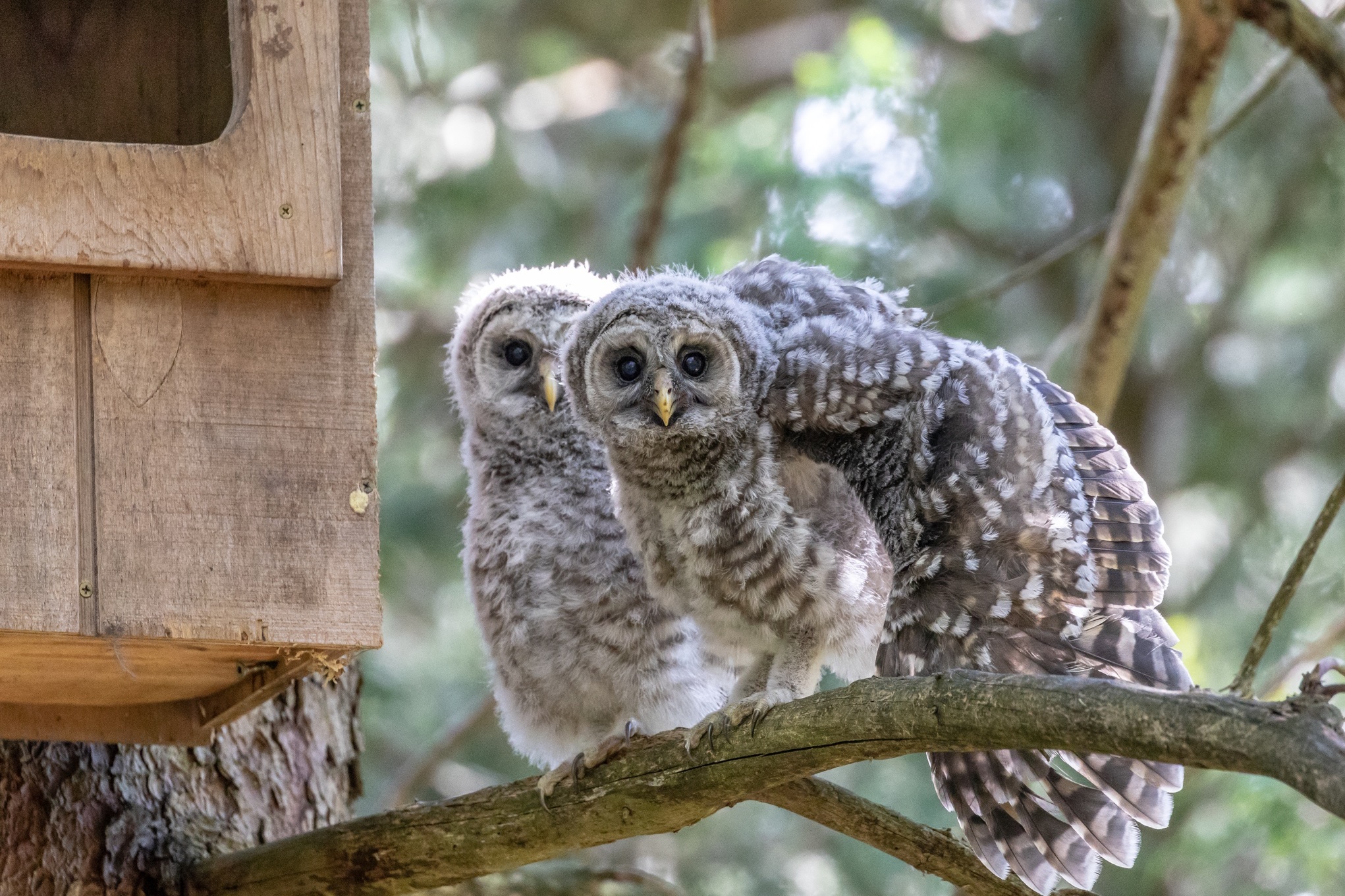
By late October and November, urged by the adults, young owls leave their natal territory and venture off to start their own lives!
Frequently Asked Questions
When does owl nesting season start?
Most owls begin nesting in winter, with eggs laid from January through March.
Do owls build their own nests?
No. Most owls reuse nests built by other birds or natural tree cavities.
How many eggs do owls lay?
Typically 2 to 3 eggs, laid several days apart.
Are owls aggressive during nesting season?
Yes. Nesting owls are territorial and may swoop to protect their young
Owl nesting season is a remarkable winter phenomenon, offering a rare glimpse into how barred and great horned owls survive harsh conditions to raise their young.

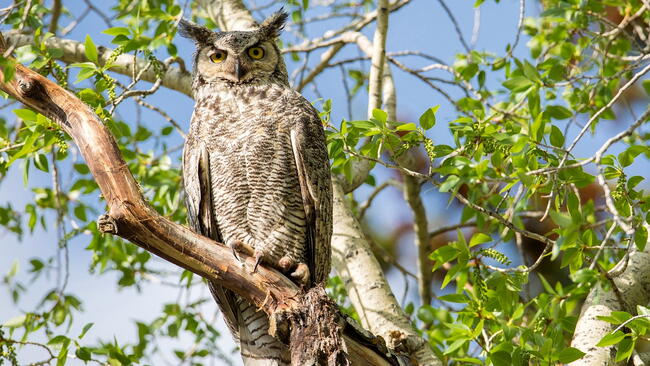

Direction isn't the most important factor when choosing an owl box location, although east to south facing boxes will provide early morning Sun to your visitors. You should place your owl box overlooking an open area that has a clear flight path, away from roads, and the entry should face away from prevailing winds.
- « Previous
- 1
- 2
- …
- 10
- Next »

Comments