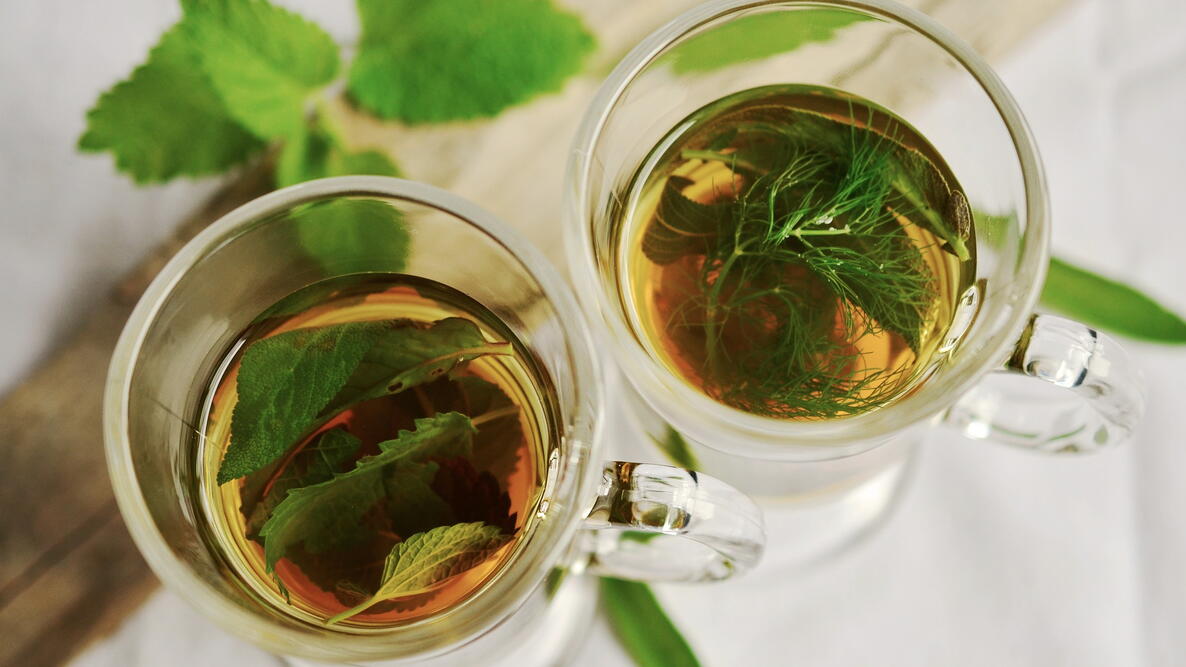
Caption
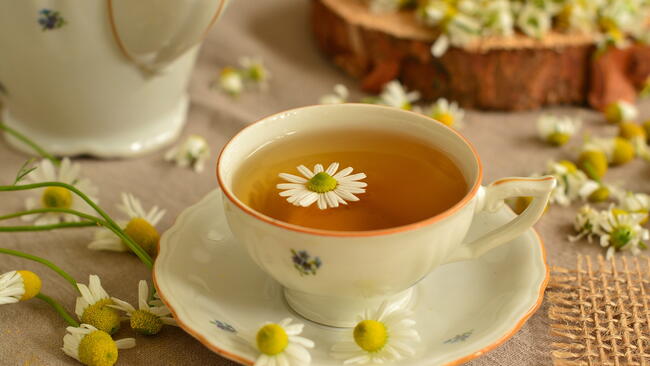
Mint and sage are two calming ingredients for a tea that soothes anxiety.

Feeling frazzled after a long day? Before you reach for another cup of coffee or a pill, consider this: nature has its own stress-busting toolkit. From soothing herbal teas to calming aromas, these natural remedies can help quiet your mind, ease tension, and even guide you to a blissful night’s sleep. Bonus: if you like gardening, you can grow many of these stress-relieving herbs yourself—talk about a two-for-one deal!
Insomnia can often be caused by stress or anxiety, or insomnia can lead to anxiety. For this reason, we include some natural remedies for insomnia here as well. If these don’t help, try these tips for insomnia and sleep deprivation.
Herbal Teas
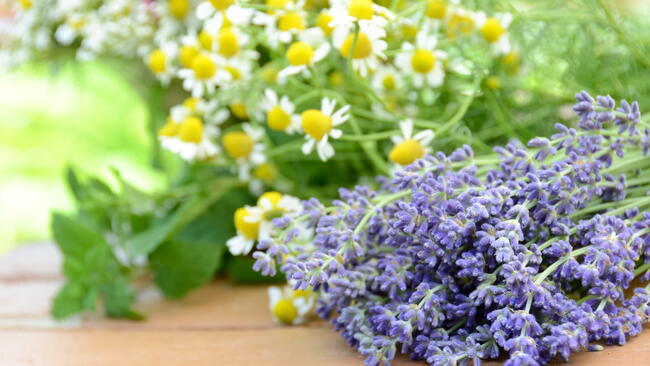
- Teas of chamomile, basil, marjoram, sage, or mint help ease stress. Use about 1 ounce of fresh herbs (half of that, if dried) for every 2 to 3 cups of water.
- A tea of elderberry flowers is considered relaxing to the nerves and is sleep-inducing, too. (Caution! Avoid if pregnant.)
- For insomnia, drink bee balm. It acts as a mild sedative, calming the nerves and aiding sleep. Take an infusion of 2 teaspoons chopped leaves in 1 cup boiling water.
- Drink rosemary tea to alleviate melancholy or depression.
- Native American tea ingredients for insomnia included lady’s slipper (decocted), yarrow, mullein, hops, and purslane (decocted).
- Valerian tea (or capsules) is a natural sleep aid. In infusions, 1 ounce of the roots in 1 pint of boiling water is a common recipe, consumed by a wineglass as needed. (Caution: Too high a dose may lead to negative side effects!)
| Herb | Best Use | Form | Notes |
|---|---|---|---|
| Chamomile | Calms stress, mild insomnia | Tea, essential oil | Gentle, safe for most; avoid if allergic to ragweed. |
| Lavender | Relaxes mind, aids sleep | Tea, essential oil, sachets | Great for aromatherapy or bedtime routines. |
| Valerian Root | Strong natural sleep aid | Tea, capsules, tincture | Best for insomnia; may cause grogginess if overused. |
| Lemon Balm | Reduces stress, improves focus | Tea, tincture | Mild sedative; pairs well with chamomile. |
| Passionflower | Eases anxiety, promotes calm | Tea, tincture, capsules | Often used for restlessness and nervousness. |
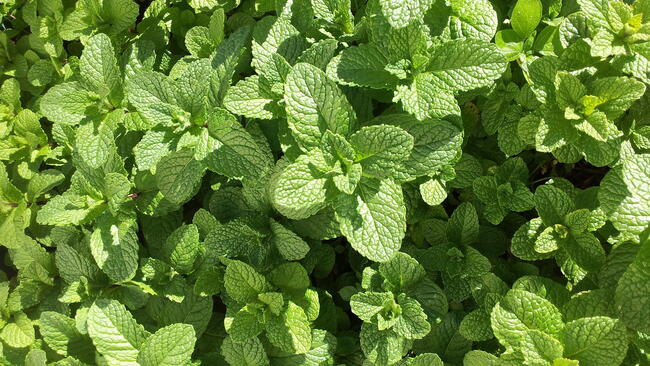
| Mint | Soothes digestion, mild relaxant | Tea | Refreshing and calming; good daytime option. |
| Sage | Reduces nightmares, calming aroma | Tea, sachets | Traditionally used to clear negative energy. |
| Bee Balm | Mild sedative, supports sleep | Tea | Gentle herb often used in folk remedies. |
Home Remedies for Anxiety: Food
- First, do not eat your final meal late in the evening, and keep the meal light.
- Eating lettuce with your dinner is supposed to be calming, helping you to sleep and have pleasant dreams. Some say you should not have vinegar with your lettuce.
- Mandarin oranges are soporific, so consider adding them to your evening meal to help insomnia.
- Native Americans reportedly ate raw onions to induce sleep. (They also used a variety of herbal syrups and poultices, but they’re a bit too complicated for most of us today.)
- Trying to remain relaxed but alert? Some studies suggest that the smell of apples, apple cider vinegar, or spiced apples has this effect. The right smell can make all the difference.
- Adding some calm-inducing foods to your diet can also be helpful. Try this collection of herb recipes to see if you can incorporate beneficial herbs into your meals.
Natural Anxiety Relief: Massages and Rubs
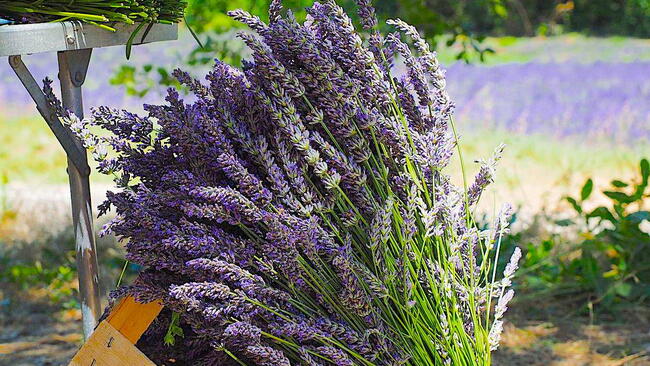
- Massage your temples with lavender oil. See more about the benefits of lovely lavender for health and home.
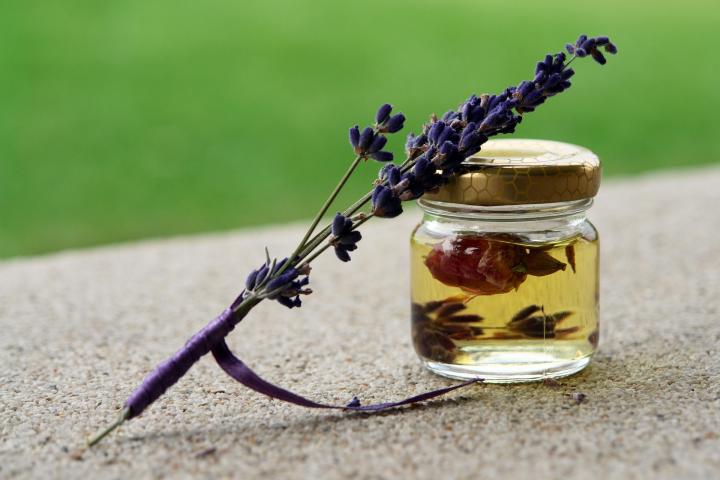
- A warm bath with a couple of drops of chamomile oil aids sleeping. Add a splash of lavender oil for a relaxing aroma.
- For a relaxing body rub, soak equal parts finely chopped dandelions, burdock (roots and/or aerial parts), yellow dock, and lobelia in a mason jar of vodka for 2 weeks. Apply externally (and avoid the temptation to drink the solution).
How to Relieve Anxiety at Bedtime
- Strew lavender in the linen closet to scent your bed sheets with this mildly narcotic herb.
- Try putting a few drops of lavender oil in or right under your nose—gently, with a cotton swab (Q-tip).
- Sprinkle infusions of dill on your pillowcases and quickly iron them dry or fluff them in a clothes dryer.
- Dill will also lull cranky babies to sleep. Add dill infusion to the bath, sprinkle on a baby’s blanket, or use as a hair rinse. (We all know babies can cause stress—if they can sleep, maybe you can sleep, too!)
- Sage is considered a “ghost medicine” used to prevent stressful nightmares. Strew it on the floor or in the bed.
- Keep in mind: Not every fragrant herb is suitable for a good night’s sleep. Some can have the reverse effect. You may wish to consult an herbalist.
FAQs: Natural Remedies for Anxiety
What are the best herbs for anxiety relief?
Some of the most popular herbs for calming anxiety include chamomile, lavender, valerian root, lemon balm, and passionflower. Each works a little differently—some promote relaxation while others act as mild sedatives to help with sleep.
Can herbal teas really help with anxiety and stress?
Yes! Herbal teas like chamomile, mint, and valerian tea are well-known for their soothing effects. They work by calming the nervous system and, in some cases, gently promoting sleep.
Are natural remedies for anxiety safe for everyone?
Most herbal remedies are safe in moderation, but some can interact with medications or aren’t recommended during pregnancy. Always check with your healthcare provider before starting new herbal supplements or remedies.
What foods can help reduce anxiety naturally?
Foods like leafy greens, nuts, seeds, oranges, and fish rich in omega-3s support brain health and can ease anxiety. Traditional remedies even include calming foods like lettuce and mandarin oranges.
Can natural remedies replace anxiety medication?
Natural remedies can help with mild anxiety and stress, but they aren’t a substitute for prescribed medication in severe cases. If anxiety is interfering with daily life, consult a doctor.
What is the difference between herbal remedies for stress and for insomnia?
Many herbs overlap—lavender, valerian, and chamomile work for both stress and insomnia. The difference is usually in how and when you take them: teas and tinctures before bed tend to target insomnia, while aromatherapy or light teas can calm stress during the day.
A good laugh and a long sleep are the best cures in the doctor’s book.
–Irish proverb



Thank you, Judy!
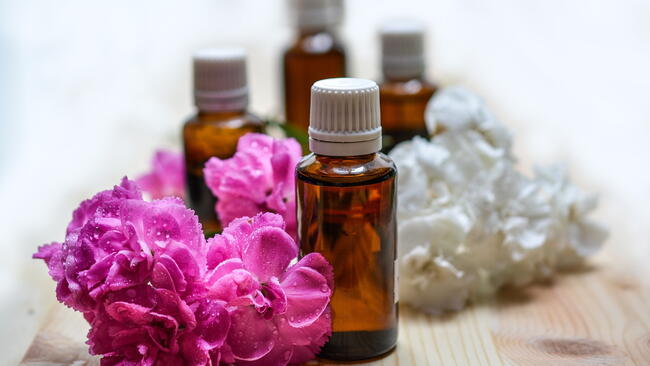
Although lavender is the most popular, there are several essential oils that are recommended for relieving stress and anxiety, and having an overall calming effect. Instead of lavender, you might try something like rose, rose geranium, chamomile (both Roman or German, although Roman is said to be a little more effective), jasmine, or sandalwood. There are several more options--an aromatherapy supplier can help choose the best oil for you. To be sure that you are not allergic to an untried essential oil, dilute it first before using. Also, since you are allergic to lavender, to be safe, you might want to stay away from other oils from plants in the same family. Lavender is part of the mint family, Lamiaceae, as are bergamot and clary sage--two oils also said to be good for stress. (Even if you are not allergic to bergamot essential oil, it should not be applied to the skin.) Hope this helps!
- « Previous
- 1
- 2
- …
- 10
- Next »

Comments