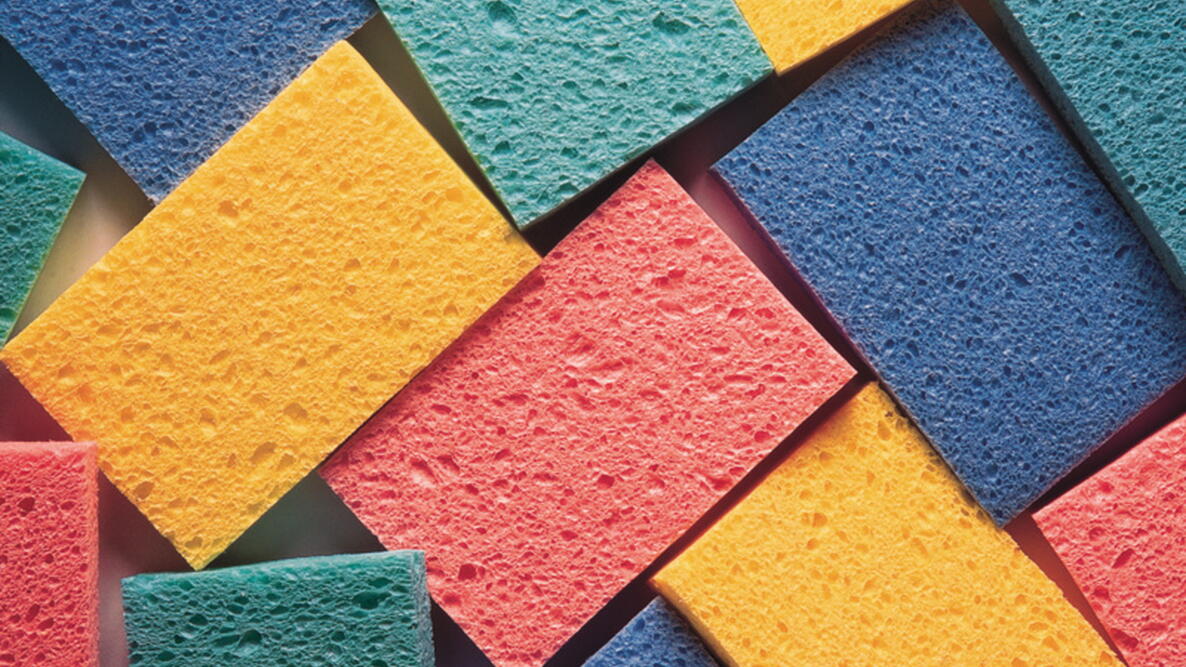

Tired of harsh chemicals lurking under your sink? Say hello to homemade cleaners—your wallet-friendly, eco-friendly superheroes! From sparkling floors to spotless windows and stain-free carpets, natural ingredients like vinegar, baking soda, lemon juice, and even a pinch of salt can tackle almost any mess. Ready to scrub smarter, not harder? Let’s dive into easy DIY solutions that actually work.
Floor Cleaners and Polishes
Need to polish the floors? Try polishing with baking soda to make them sparkle.
Linoleum Floors
Wash away grease spots and dull, greasy film on no-wax linoleum floors with a solution of 1/2 cup of white vinegar and 1/2 gallon of water. Your floor will look sparkling clean.
For linoleum, damp mop using a solution of a mild detergent and water for day-to-day cleaning. Keep water away from seams and edges to prevent loosening of the tiles. To preserve the floor, add a capful of baby oil to the mop water.
Brick and Stone Floors
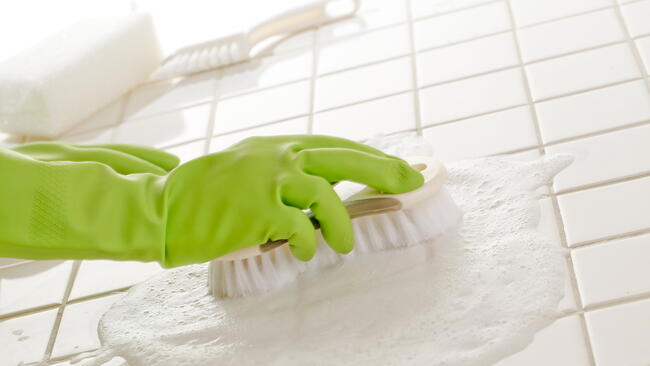
For brick and stone floors, mix 1 cup of white vinegar into 1 gallon of water. Scrub the floor with a brush and a vinegar solution, then rinse.
Ceramic Tile Floors
For ceramic tile floors, mix 1/4 cup of white vinegar into 1 gallon of water. This solution removes most dirt without scrubbing. Soap doesn’t work well if you have hard water.
Carpet Cleaners
Blood
Sponge the stain immediately with cold water or club soda, and dry it with a towel. Repeat as necessary.
Ink
Soak ink stains in lemon juice.
Mud
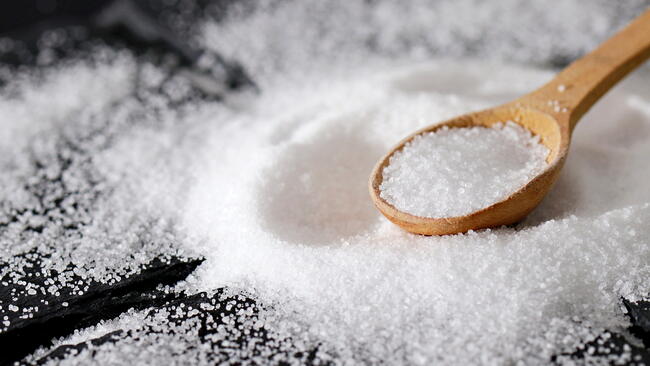
Sprinkle salt on the mud and let it dry before vacuuming.
Urine
Dab the area with a towel, wash it with suds of liquid hand-dishwashing detergent, and rinse it with 1/2 cup of vinegar diluted in one quart of warm water. Lay towels over the spot and weigh them down to absorb excess moisture. Let it sit for 6 to 8 hours; then remove the towel, brush up the nap, and let the carpet dry completely.
Vomit
Mix one part white vinegar with eight parts water in a bucket or spray bottle. Spray onto the stain and allow it to set for one to two minutes. Then blot up the remaining vinegar with absorbent paper towels until no more moisture comes up.
Soot
Sprinkle the area generously with salt. Allow the salt to settle for at least 15 minutes before vacuuming.
.jpg)
Furniture Polish
Mix 2 parts vegetable or olive oil and 1 part lemon juice. Apply and polish with a soft cloth. This leaves furniture looking and smelling good.
Glass and Window Cleaners
- 1/2 cup vinegar to 1 gallon water (or 2 tablespoons per quart)
- 1/2 cup ammonia to 1 gallon water (or 2 tablespoons per quart)
- To clean cut glass, sprinkle baking soda on a damp rag and clean the glass. Rinse and then polish with a soft cloth.
- Remove stains on glass by rubbing them with toothpaste. Polish with a soft cloth.
Grease Removers
For grease on kitchen floors, immediately pour salt on the spot to absorb the grease and prevent staining.
If you spill grease on a wood floor, immediately place ice cubes or very cold water on the spot. The grease will harden and then can be carefully scraped off. Finally, iron a piece of cloth or folded paper towel over the grease spot to soak up any remaining grease.
All-Purpose Cleaners
- Mix together vinegar and salt for a good surface cleaning.
- Dissolve 4 tablespoons of baking soda in 1 quart of warm water for a general cleaner. Or, use baking soda on a damp sponge. Baking soda will clean and deodorize all kitchen and bathroom surfaces.
Drain Cleaners and Openers
- To avoid clogged drains, use a drain strainer to trap food particles and hair, and collect grease in cans rather than pouring it down the drain.
- Weekly, pour a kettle of boiling water down the drain to melt fat that may be building up, or pour some vinegar and baking soda down the drain to break down fat and keep your drain smelling fresh.
- To open a drain, pour 1/2 cup of baking soda down the drain. Add 1/2 cup of white vinegar and cover the drain if possible. Let it sit for a few minutes, then pour a kettle of boiling water down the drain to flush it.
- Another way to open a drain is to pour 1/2 cup of salt and 1/2 cup of baking soda down the drain. Follow this with 6 cups of boiling water. Let it sit overnight and then flush it with water. The hot water will help dissolve the clog, and the baking soda and salt serve as an abrasive to break through the clog.
Frequently Asked Questions
What are the best natural ingredients for homemade cleaners?
Common DIY cleaners use vinegar, baking soda, lemon juice, salt, and olive or vegetable oil. They’re safe, inexpensive, and effective on multiple surfaces.
Can I use vinegar on all floor types?
No—vinegar works well on linoleum, tile, brick, and stone, but avoid it on marble, natural stone, or unfinished hardwood, as it can etch or damage the surface.
How do I remove tough carpet stains naturally?
For blood, use cold water or club soda. Ink responds to lemon juice, while urine can be treated with dish soap and vinegar. Muddy footprints can be dried with salt before vacuuming.
What’s the easiest way to clean glass and windows naturally?
A mix of 1/2 cup vinegar to 1 gallon of water works well, or add 2 tablespoons of ammonia per quart. For extra shine, polish with a soft cloth after cleaning.
How can I safely clean grease spills without harsh chemicals?
Sprinkle salt on fresh grease spills to absorb it, or harden grease with ice cubes and scrape carefully. You can also use baking soda as an abrasive cleaner on stubborn spots.
How do I keep drains clean naturally?
Pour a kettle of boiling water weekly down the drain, or use a mix of baking soda and vinegar to break down fats. For clogs, combine 1/2 cup baking soda with 1/2 cup vinegar, let it sit, and flush with boiling water.
Are homemade cleaners safe for kids and pets?
Yes! Most DIY cleaners are non-toxic, but always test on a small area first and keep them out of reach of children and pets.
Try these natural cleaning solutions and share your favorite DIY tip in the comments!

More Like This

thanks for sharing. I use to solve these kind of problems by myself but last time my wardrobe was underattack by termites so I used advice of my carpenter and he helped with assurance of no future inconvienece. I liked your tips for glass and door cleaners I think I will try this myself in this weekend. :)
- « Previous
- 1
- 2
- …
- 10
- Next »

Comments