Hailstorms are most common during the warm summer months, but the icy pellets that fall from the sky can cause serious damage in just minutes. From cracked windshields to shredded crops, hail is one of the most destructive forms of severe weather. So why does hail happen in summer—and how do meteorologists measure how intense a hailstorm is? Let’s take a closer look at how hail forms and what its size can mean for damage on the ground.
Why Does It Hail in the Summer?
Hail falls mainly in the summer when thunderstorms are more prevalent.
Thunderstorm clouds can extend high into the atmosphere where extremely cold temperatures prevail. The droplets of water freeze into tiny ice pellets.
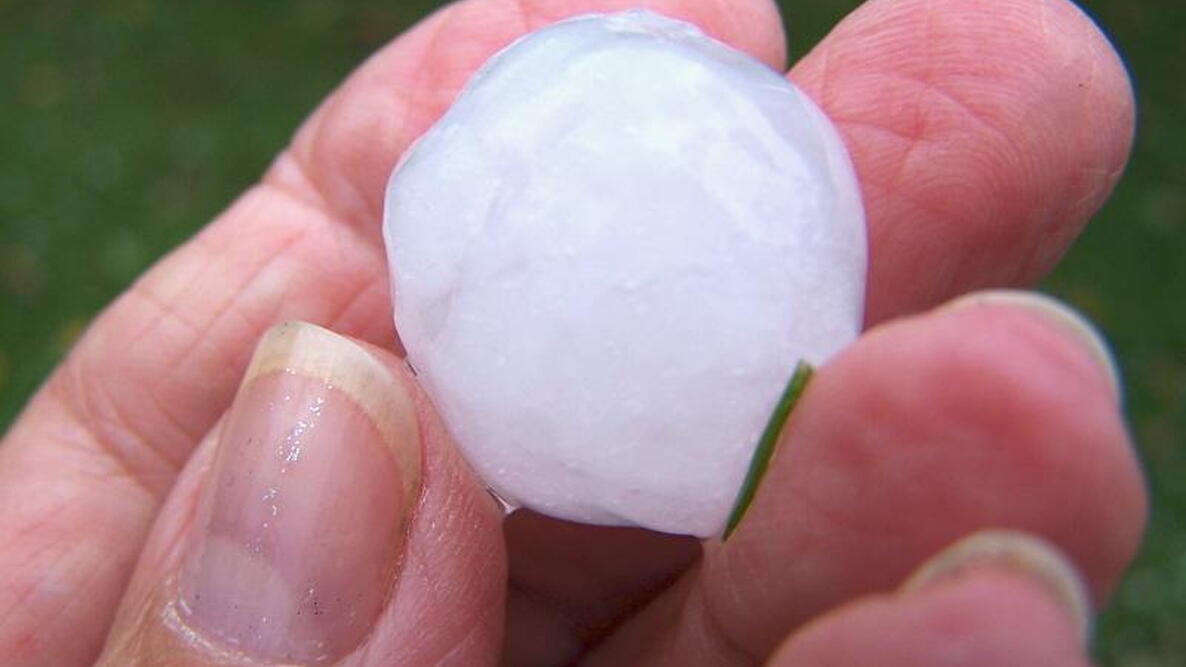
Layer upon layer of frozen water is added to the pellets until, finally, hailstones are heavy enough to fall to Earth.
Measuring Hailstorm Intensity
Hailstorms can cause extensive damage to buildings, especially windows and roofs.
The Torro Hailstorm Intensity Scale measures and categorizes hailstorms using a 0 to 10 scale that begins at “no damage” and ends at catastrophic damage. Let’s take a closer look:
Torro Hailstorm Intensity Scale (H0–H10)
| Torro Rating | Hail Size (Approx.) | Damage Description |
|---|
| H0 | Up to 0.4 in (pea-sized) | No damage; soft hail or sleet |
| H1 | 0.4–0.8 in (marble-sized) | No damage to minimal damage |
| H2 | 0.8–1.2 in | Leaves and soft plants damaged |
| H3 | 1.2–1.6 in (golf ball-sized) | Crops damaged; minor roof damage |
| H4 | 1.6–2.0 in | Tiles cracked; greenhouses damaged |
| H5 | 2.0–2.4 in | Severe crop damage; roof tiles broken |
| H6 | 2.4–2.8 in | Windows cracked; cars dented |
| H7 | 2.8–3.1 in | Windows broken; structural damage possible |
| H8 | 3.1–3.5 in | Extensive building damage; cars destroyed |
| H9 | 3.5–4.0 in | Major structural damage; roofs penetrated |
| H10 | Over 4.0 in | Catastrophic damage; buildings severely compromised |
The Torro Hailstorm Intensity Scale helps meteorologists classify hailstorms by hail size and damage severity, making it a valuable tool for understanding severe weather risks.
Frequently Asked Questions
Why does it hail more often in the summer?
Hail is most common in summer because strong thunderstorms need warm, moist air near the ground and cold air high in the atmosphere. These conditions help hailstones grow larger before falling to Earth.
How do hailstones form?
Hailstones form when updrafts inside a thunderstorm carry water droplets high into freezing air. The droplets freeze, fall, and are lifted again, adding layers of ice until they become heavy enough to fall as hail.
Can hail happen in winter?
Yes, but it is much less common. Winter storms usually don’t have the strong updrafts needed to form large hailstones, so hail is typically smaller or replaced by sleet.
What size hail causes damage?
Hail larger than about 1 inch in diameter (roughly the size of a quarter) can damage roofs, siding, crops, and vehicles. Larger hailstones can cause severe or even catastrophic damage.
How is hailstorm intensity measured?
Hailstorm intensity is measured using the Torro Hailstorm Intensity Scale, which ranks storms from 0 (no damage) to 10 (catastrophic damage) based on hail size and the damage caused.
Formed inside powerful summer thunderstorms, hailstones can grow large enough to cause serious damage in just a few minutes. Understanding why hail occurs more often in warm weather—and how hailstorm intensity is measured—can help you better prepare when severe storms roll in. Whether it’s protecting your home, your car, or yourself, a little knowledge goes a long way when it comes to this icy summer weather threat.



Comments