
Eating with the seasons just makes sense. It’s the most delicious and healthiest way to live. This guide explains how eating seasonally works, why it matters, and what a year of seasonal eating can look like in real life.
When you grow your own food, you are—by its very nature—eating with the seasons. Even if you don’t garden, you can still use the seasons as your backdrop. Food is at its freshest, tastes best, is most affordable, and has the highest nutritional value when eaten in season.
What Is Seasonal Eating?
Seasonal eating means choosing fruits and vegetables that are naturally harvested at the same time of year they are eaten. It follows the natural rhythm of growth and harvest rather than relying on imported or out-of-season foods.
If you visit a local farm stand, you already understand the idea: peaches aren’t sold in May because they wouldn’t be at their peak. It’s the same concept at home or in your garden.
Growing What You Eat
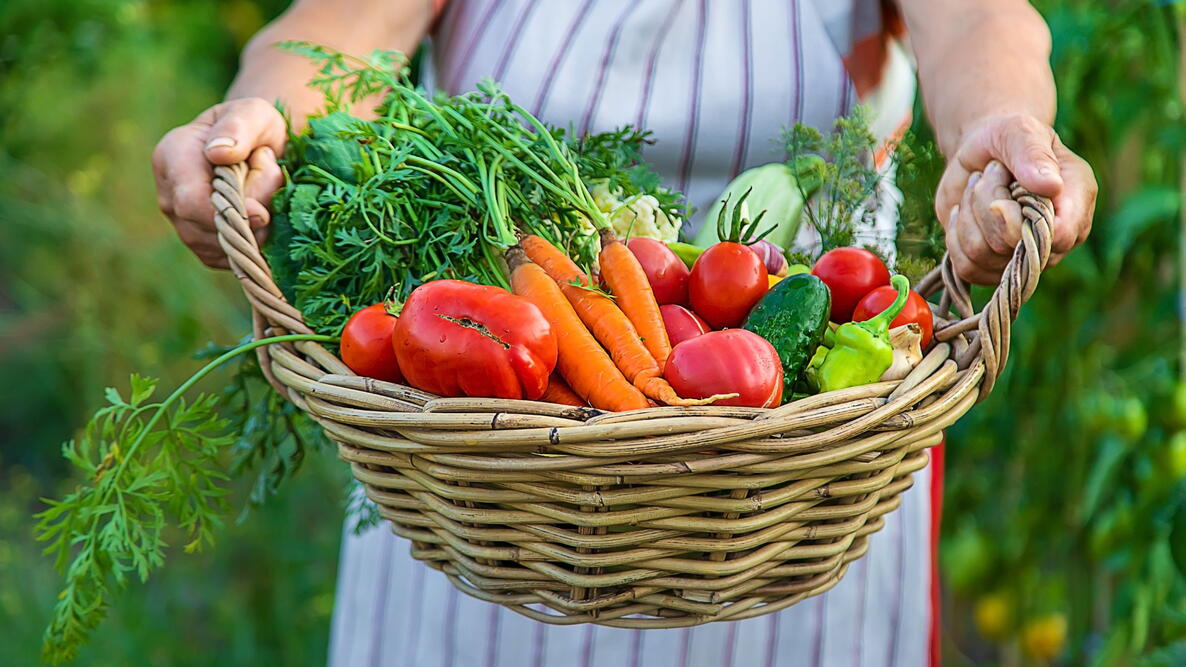
My daughter Molly and her husband recently visited for a long weekend. On the day they arrived, I laid out an abundance of fresh foods from my garden: platters of sliced tomatoes, peppers, fresh cucumber pickles, various salad greens, cold steamed broccoli, homemade flatbreads, spreads, dressings, dips, hummus, seasoned black beans, sliced cheeses, and smoked turkey. For dessert, a large platter of watermelon and cantaloupe slices.
I thought the table—with its homegrown vegetables, fruits, and centerpiece of sunflowers—looked gorgeous, and the food especially delicious. So did everyone else.
We had so much bounty that I brought out leftovers later in the day, which prompted my daughter to say, “Are we having the same stuff again, Mom?”
“Well, umm, yes we are, and it will taste just as yummy as it did before. Don’t you remember growing up here?”
We all had a good chuckle.
Of course, there are many different ways to prepare seasonal foods, but the point is simple: we are eating what we grow.

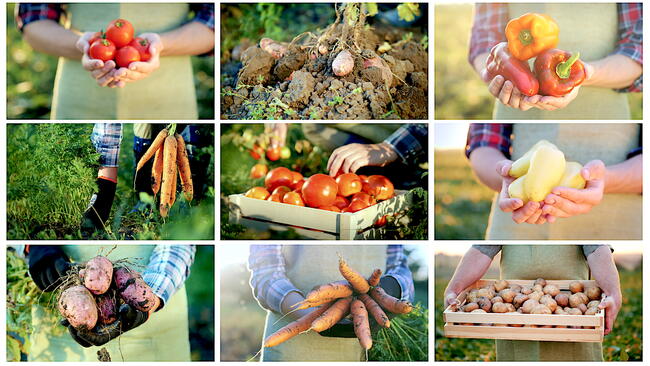
Photo: Anuta23
A Guide for Eating Seasonally Through the Year
Here is a condensed schedule of how we eat seasonally throughout the year.
Spring: Fresh Greens and Early Crops
In spring, we start by planting the cold-hardy crops. The first vegetable of the season is steamed asparagus. Then we are planting, transplanting, and weeding.
We also feast on strawberries, peas, and fresh salad greens of spring.
Spring is a time of renewal, with light, fresh flavors and early harvests that signal the growing season has begun.
Summer: Abundance and Daily Harvests
In summer, we struggle to keep up with the weeding, watering, and succession planting.
We harvest garlic and hang it to dry. All July long we revel in (eating and freezing) fresh raspberries and broccoli, soon followed by blueberries, green beans, and summer squash—every day, all month long.
We harvest bushels of onions and hang them to dry so we can tuck them away in the cellar, hopefully to last until the next summer’s harvest. Onions become a daily staple year-round.
Come August, it’s harvesting, freezing, and canning. It’s eating tomatoes, peppers, blackberries, cantaloupes and watermelons.
Summer is pure abundance.
Fall: Harvest and Preservation
Suddenly it’s September, and we’re turning toward fall.
We’re harvesting winter squash, potatoes, and sweet potatoes, roasting and freezing red and yellow peppers, and still trying to keep up with the tomatoes.
When heavy frost kills down the tender crops—tomatoes, peppers, and melons—we sow salad and cooking greens in the greenhouse. We begin feasting on frost-hardy greens, including Brussels sprouts and kale.
Fall is about harvesting, preserving, and preparing for winter.
Winter: Storage and Simplicity
In winter, we eat greens from the greenhouse, plus what we’ve canned, frozen, and tucked away in the cellar.
So it’s salad every day, frozen fruit, roasted root vegetables (potatoes, sweet potatoes, winter squash), and often soup or chili—a base of dry beans, many vegetables, and either a good broth or a spicy sauce.
Winter eating is simple, nourishing, and deeply satisfying.
Why Eating Seasonally Matters
You can see there is enormous variety when eating seasonally, but not all at once. When one crop is coming on strong, it’s handy, tasty, and at its most nutritious.
It won’t stay fresh for long, so we tend to eat it day after day until its season has passed.
Yes, we sometimes get sick of fresh asparagus, broccoli, or tomatoes toward the end of their season. But the season always moves on, giving us something new—and pretty soon, we’re craving it again. And so it goes.

More Like This


Comments