Primary Image
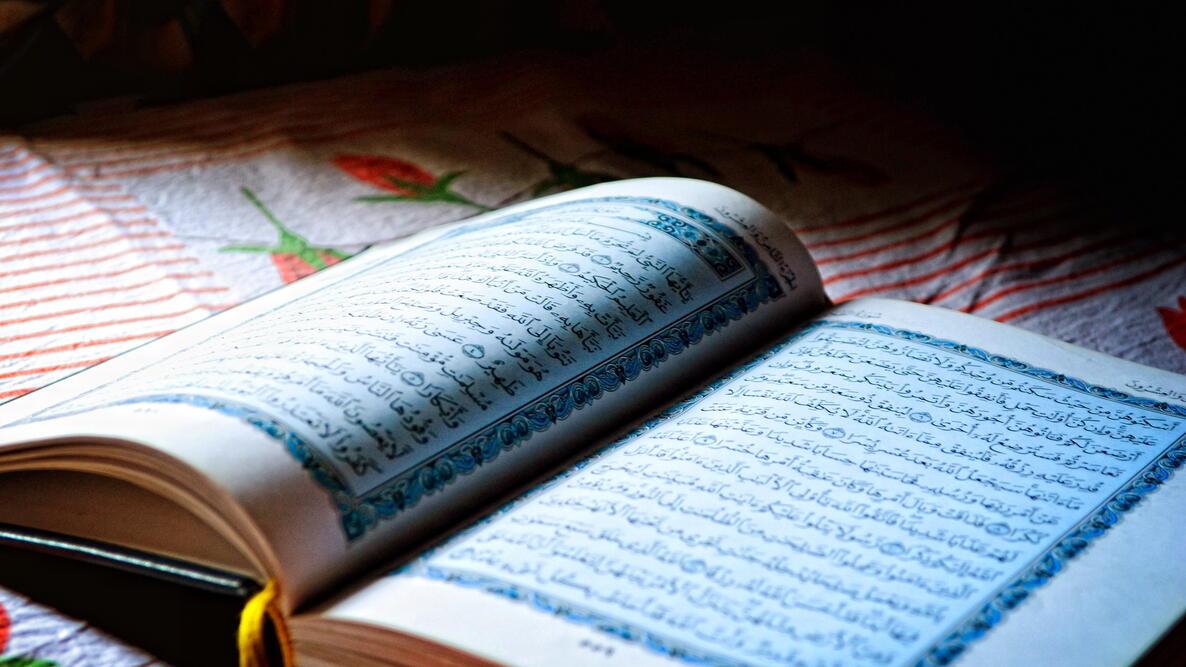
Caption
When does Ramadan begin each year? What is Ramadan?


More Like This
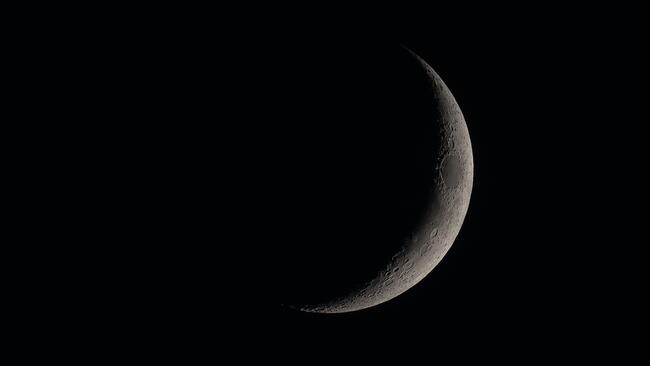

Yesterday I saw a moon next new moon
mashaa allaah now you are deciding when is ramadan is starting without Hilal being investigated ?
no my sister this is incorrect , this is an titative date and expectations , Saudi Arabia and other countries have to investigate Hilal on 10th evening, then they will decide if its 12th or 13th but its not 10th please correct your informations
Alhamdulillahi Ala Ni'imatil Ramadan.
Masha Allah.
Alhamdulillahi Ala Kulli Halin.
Salam Alaykum,
May Allah reward you for spreading the knowledge of Islam to benefit others. Just to bring to your attention that while some of the benefits of Ramadan include cleansing the body and a reminder of the state of those that are poor. The foremost reason of Ramadan (Fasting) is to attain God-consciousness (Taqwa or piety).
Barakalahu fee kum
I agree 100 per cent Musilmah that the foremost reason of Ramadan should be to attain God consciousness. I have been meditating and doing breath work with my friends from India now for 13 years and I have a Guru also from India. I also have not eaten any meat (animals) for 13 years as well. In my opinion, if you eat meat on a daily basis, you cannot cleanse your body although I know the Muslims way of killing animals is not as bad as Western man's method.
Some people do fasting without praying or attending any place of preaching, I just want to advise some that instead of doing fasting without sallah is better to do sallah and leave fasting that is question thanks
Some people do fasting without praying or attending any place of preaching, I just want to advise some that instead of doing fasting without sallah is better to do sallah and leave fasting that is question thanks
why do so many muslims become so aggressive during a time when they are seeking God consciousness. The actions of muslims on THE TEMPLE MOUNT and the AL Aqsa Mosque denies your claims
Because they act like their god. Full of hatred and self. And there is no peace in him. Just war and bloodshed from his beginning till now.
- « Previous
- 1
- 2
- …
- 10
- Next »
📣The Gardening Club Just Got Better! 3 Deliveries, 10% Store Discount, and more!

Comments