Primary Image
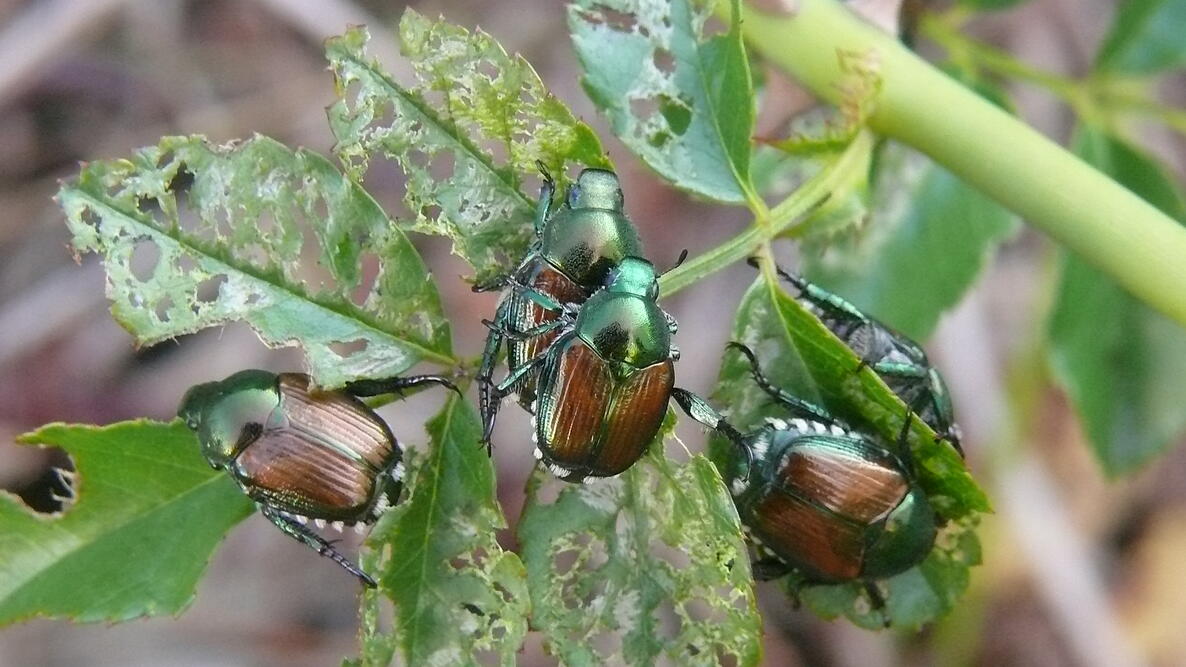
Image Credit:
Lamba/Wikimedia Commons


More Like This

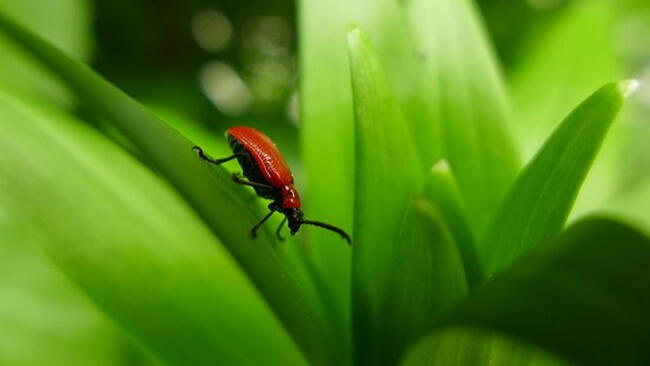
Last two years was first time I’ve had pole been flowers nipped off before beans formed. Last year realised what was doing it. This year had bean covered in insect covers till a foot high then removed. Beans were multi flowered yesterday and first beans nearly ready to pick. Just went to check and bunches of J beetles on them. Sprayed well with garlic spray and dish soap mixed in water.
Prior to that I planted a 4 variety plum earlier this year about 6 foot high. Sprayed with garlic to help deter deer but leaves reduced to lace now. Yep, J beetles galore. I could see them landing. Sprayed then picked as many as I could and threw hard into bucket of soapy water. Some fell from tree so tried to squash them. This fight is getting silly.
Removed rose of Sharon and now see them in rhubarb and the red cone flowers.
In my neighborhood we have a good number of Linden trees. They attack them more fiercely than any other plant - even worse than roses. They will entirely defoliate our Lindens if we don’t spray them with pesticide.
We have a grapevine that is 97' long and they LOVE to snack on it. We have worked tirelessly to hand pick beatles. They also enjoy our rose bushes and have, until this year been limited to those two plants. However, this year they have attacked the rhubarb and pole beans (they did not attack the pole beans last year- there are way more plants this year and a different location). If someone can help me understand more specifically where they lay their eggs, I would like to begin trying to eliminate them at that stage as well. Sigh! Such an endless battle!
Japanese Beetles LOVE Morning Glories! So much so that a plant I’d grown for my mother had beautiful purple’s flowers!
UNTIL……they picked it pretty much dead. Needless to say with sadness, I dug it out!😞
Here up in NE virginia we're getting hit by Japanese beetle on our raspberries bush and roses. So far I'm using the soapy water in a bottle and it seems to work.
We have a virginia creeper vine in front of house. This is the first year noticing lace cut leaves. Didnt think alot about it til I noticed the japenese beetle on my string bean plant. Then realized the creeper has same beetle on it. So I'm trying the neem oil concoction, hope it works
I have had success by adding a little Blue Dawn dish detergent & water in a spray bottle. I spray them on the plant as I see them & they die almost instantly! The spray doesn't hurt the plant & it is non-toxic to birds & animals. Hope this works well for you.
Thank you sooooo much for your comment! If interested you can see the comment I added today (7-11-26). What I didn't note in that comment is that we have begun to use a canister vacuum to suck the Japanese Beatles off primarily our grapevine. May I inquire how much Dawn you generally put in how much water and what time of day do you spray? Thank you for your time and consideration. S.E.B.
That sounds like a good idea linda. I'm going to try that tonight 6/23/26
- « Previous
- 1
- 2
- …
- 10
- Next »
📣The Gardening Club Just Got Better! 3 Deliveries, 10% Store Discount, and more!

Comments