
We often speak of seeing the Man in the Moon, but cultures around the world see many different images on the Moon’s surface.
Moon Folklore Around the World
Since ancient times and across many cultures, people have imagined different images on the Moon’s illuminated surface.
- In Polynesia, it is “the Woman in the Moon,” and she has her child with her.
- The Salish Indians of the American Northwest see a toad.
- Other cultures see a man with a bundle of sticks on his back, a giant, or a hunchback.
- The Japanese and some East Asian cultures see a rabbit.
- In India, moon gazers see a pair of hands.
- Scandinavians see a boy and a girl holding a water bucket. From this image comes the Jack and Jill nursery rhyme!
Why We See Images on the Moon
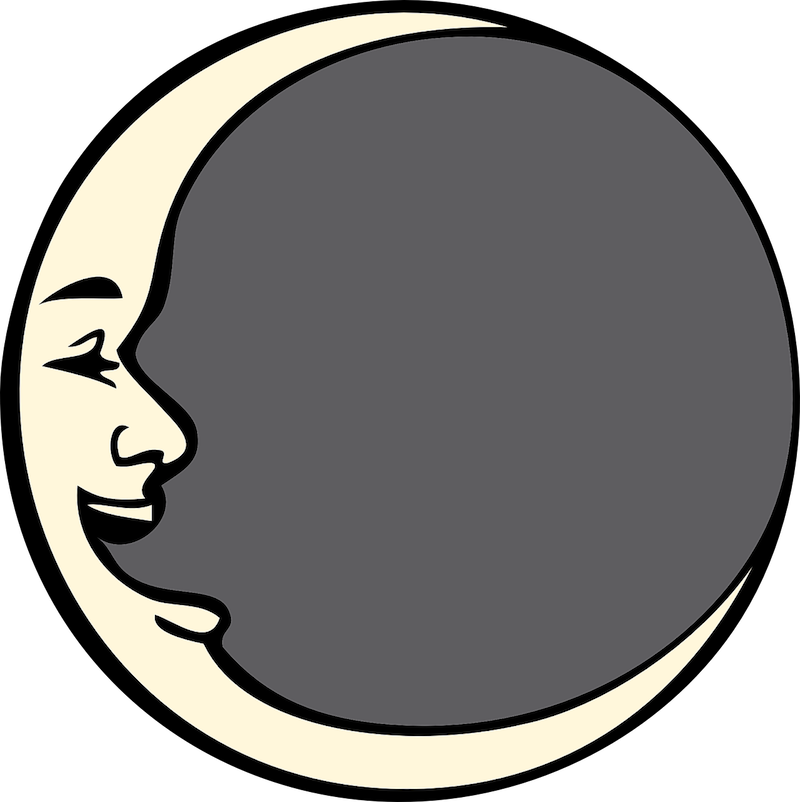
Of course, in Western culture, we often say that we see “the man in the Moon.” Faces are often the very first images that we see as infants as we attempt to recognize our parents’ faces. Recognizing an individual’s face is so important in our culture that it might not be surprising that our brain tends to look for a face in something as elemental as our Moon.
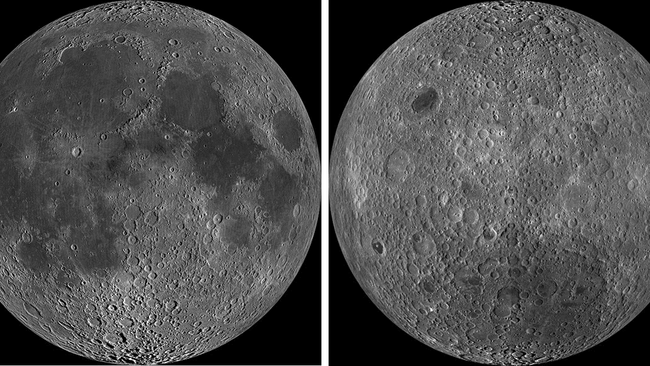
What each of us sees in the Moon is also related to where we live on Earth’s surface—and our perspective when we look up at this celestial object. We see different light and dark colors due to the varied mountainous and volcanic areas of the Moon, and we see different curves and contours.
Frequently Asked Questions
What is the Man in the Moon?
The Man in the Moon is a popular figure in Western folklore, describing a face or human figure people believe they see in the Moon’s light and dark areas.
Why do people see faces and shapes on the Moon?
This happens because of pareidolia, a psychological phenomenon where the brain recognizes familiar patterns—like faces—in random shapes, such as the Moon’s surface features.
Do people in other cultures see different images on the Moon?
Yes. Different cultures see different figures, including a rabbit in East Asia, a woman and child in Polynesia, a toad among some Native American tribes, and hands in India.
What causes the light and dark patterns on the Moon?
The patterns come from the Moon’s surface features, including dark volcanic plains (called lunar maria) and lighter highland regions.
Is the Man in the Moon a myth or a scientific idea?
It’s a myth rooted in folklore and storytelling. Scientifically, the appearance is explained by lunar geography and human perception.
Why is the Man in the Moon so common in Western culture?
Humans are especially wired to recognize faces, and Western storytelling traditions often personify natural objects, making the face-like image particularly memorable.
Can the Man in the Moon look different depending on where you live?
Yes. Your location on Earth and the Moon’s orientation can change how the patterns appear, so people in different regions may see different shapes.
Is the Man in the Moon always visible?
The image is most noticeable during the Full Moon, when the entire surface is illuminated and contrasts are easiest to see.
Are there stories or nursery rhymes connected to Moon images?
Yes. For example, Scandinavian folklore about children carrying a water bucket is linked to the nursery rhyme Jack and Jill.
What do you see in the Moon tonight? Share your Moon-inspired images or traditions in the comments below!

More Like This


Comments