Did you know you can measure wind speed with your eyes? The Beaufort Wind Force Scale, created in the early 1800s by British naval officer Sir Francis Beaufort, allows people to estimate wind speed simply by observing nature. From calm air to hurricane-force winds, this scale helps sailors, meteorologists, and everyday weather watchers understand how strong the wind is without using instruments.
Today, the Beaufort Scale is still widely used on land and at sea, making it a valuable tool for weather enthusiasts, gardeners, hikers, and outdoor workers who want to understand wind conditions quickly and safely.
What Is the Beaufort Wind Force Scale?
From calm (Force 0) to hurricane force (Force 12), each level on the Beaufort Wind Force Scale describes the wind’s effects on the sea’s surface, from ripples to towering waves. Initially, it helped sailors estimate wind speeds by observing the state of the sea, ensuring safer navigation. Despite modern technology, the Beaufort Scale is a valuable reference, aiding mariners, aviators, and weather enthusiasts in understanding and predicting wind behavior—and enriching our grasp of atmospheric dynamics.
Here’s a wind force scale adapted to land use so that you can estimate the wind speed wherever you are.
“Used Mostly at Sea but of Help to All Who Are Interested in the Weather”
Beaufort Wind Force Scale Chart (Land Version)
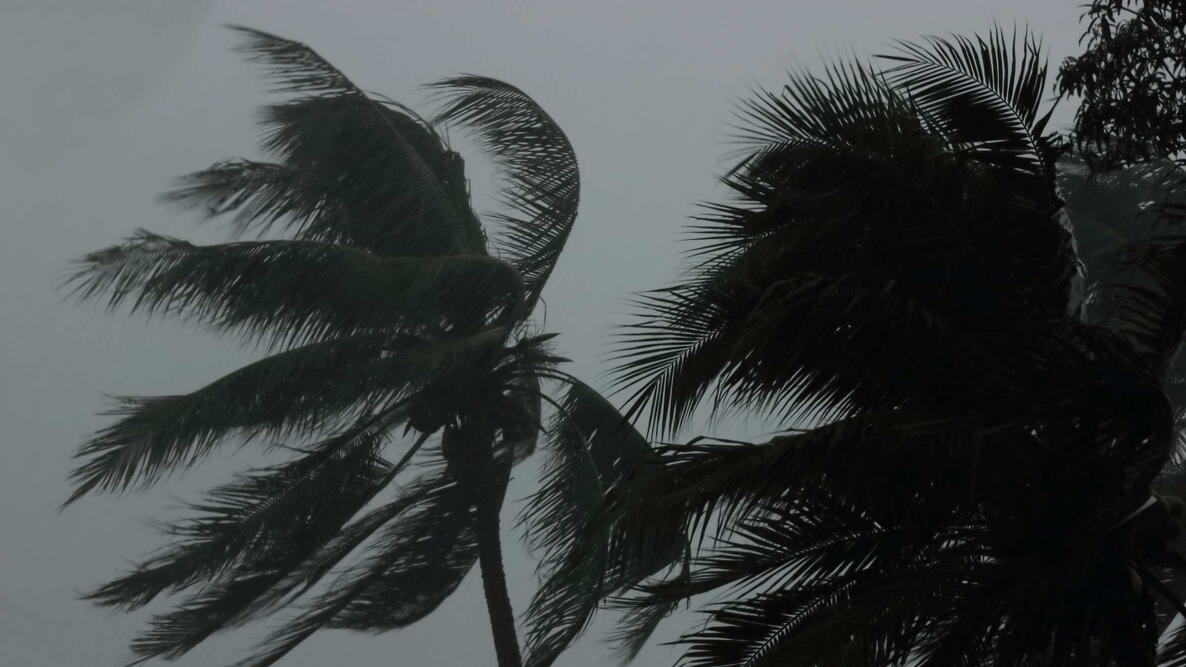
The Beaufort Wind Force Scale chart below shows how wind speed is measured using visible effects on land, such as moving leaves, swaying trees, and blowing dust.
| Beaufort Force | Description | When You See or Feel This Effect | Wind (mph) | Wind (km/h) |
|---|
| 0 | Calm | Smoke goes straight up | less than 1 | less than 2 |
|---|
| 1 | Light air | Wind direction is shown by smoke drift but not by wind vane | 1-3 | 2-5 |
|---|
| 2 | Light breeze | Wind is felt on the face; leaves rustle; wind vanes move | 4-7 | 6-11 |
|---|
| 3 | Gentle breeze | Leaves and small twigs move steadily; wind extends small flags straight out | 8-12 | 12-19 |
|---|
| 4 | Moderate breeze | Wind raises dust and loose paper; small branches move | 13-18 | 20-29 |
|---|
| 5 | Fresh breeze | Small trees sway; waves form on lakes | 19-24 | 30-39 |
|---|
| 6 | Strong breeze | Large branches move; wires whistle; umbrellas are difficult to use | 25-31 | 40-50 |
|---|
| 7 | Near gale | Whole trees are in motion; walking against the wind is difficult | 32-38 | 51-61 |
|---|
| 8 | Gale | Twigs break from trees; walking against the wind is very difficult | 39-46 | 62-74 |
|---|
| 9 | Strong gale | Buildings suffer minimal damage; roof shingles are removed | 47-54 | 75-87 |
|---|
| 10 | Whole gale (Storm) | Trees are uprooted | 55-63 | 88-101 |
|---|
| 11 | Violent storm | Widespread damage | 64-72 | 102-116 |
|---|
| 12 | Hurricane | Widespread destruction | 73+ | 117+ |
|---|
By observing trees, smoke, dust, and movement in the environment, you can estimate wind speed without any weather tools.
How to Use the Beaufort Wind Scale in Everyday Life
The Beaufort Scale is useful in many situations:
- Gardeners can protect plants from strong winds.
- Boaters can decide if conditions are safe.
- Hikers can prepare for changing weather.
- Farmers can monitor storm conditions.
- Weather watchers can estimate wind speed without instruments.
Understanding wind strength helps people stay safe and make better outdoor decisions.
Have you ever tried estimating wind speed using the Beaufort Scale? Share your experience in the comments and tell us where you live and what wind conditions you’ve observed!



Comments