Caption
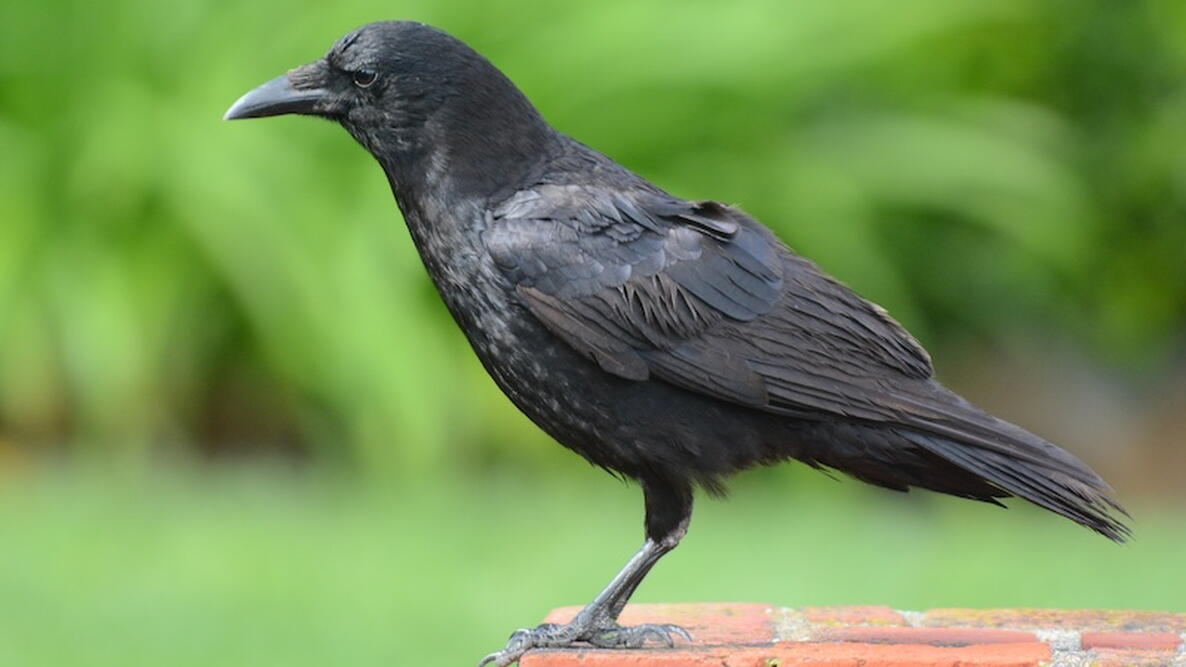
One part pest control, one part mischief: an American crow surveys the garden for its next meal.
Tips for Identifying American Crows and Protecting Your Fruits, Vegetables, and Seedlings

Ever feel like crows are outsmarting you in your own garden? One minute they’re feasting on pesky grubs (hooray!), and the next they’re making off with your berries or tugging up corn (boo!). These black-feathered tricksters are clever, crafty, and sometimes downright cheeky.
Crows may be a gardener’s friend or foe, depending on the day. In this guide, we’ll show you how to recognize American crows, spot the signs of their mischief, and use time-tested tricks to protect your crops—while still tipping our hats to the helpful side of these rascals.
Did You Know: A group of crows is often called a “murder of crows” in literature and pop culture, but sometimes they’re simply called a flock. Learn more about animal group names!

Read Next
Identification

What Do Crows Look Like?
American crows are large, all-black birds with glossy feathers, a long straight bill, and a fan-shaped tail. They’re bigger than most common black birds and walk with a purposeful gait.
Crows are social, often seen in small groups or larger flocks, and their loud, harsh “caw” is unmistakable. In flight, their wings flap as if they’re rowing, moving up and down, with brief glides in between. Adults are about 17–21 inches long, roughly the size of a small hawk.

Crows vs. Ravens: Key Differences
Crows and ravens are in the same genus (Corvus) and share many traits, but a few simple cues make them easy to tell apart:
- Size & feathers: Ravens are noticeably larger, with shaggy throat feathers. Crows are smaller and sleeker.
- Tails & flight: Ravens have wedge-shaped tails and soar more, sometimes performing aerial somersaults. Crows have fan-shaped tails and a steady, rowing wing motion.
- Sounds: A raven’s call is deeper and more throaty—a croak rather than the classic “caw” of the crow.
Ravens have their own charm too—read more in our feature Redeeming the Raven: Evermore.

Learn more from Cornell Lab of Ornithology.
Behavior Clues Pointing to Crows
If your seedlings, such as corn, are being pulled up, chances are crows are the culprits. Other clues include missing chicks from bird nests or signs of frequent visits to garbage cans. Watching their patterns can give you insight into when and where they strike, helping you anticipate problems before they happen.
Signs of Crow Damage in the Garden
How do you know if crows are behind the chaos? Look for these telltale signs:
- Seedlings pulled up: Corn, peas, and beans are especially tempting. Crows may yank them entirely out of the soil.
- Half-eaten fruits and berries: Pecks on apples, cherries, grapes, and strawberries are a giveaway.
- Damaged corn ears: Husk stripping to reach kernels is common. See our corn planting guide.
- Disturbed soil: Holes from digging for grubs or worms in tilled beds.
- Noisy flocks: Loud cawing at dawn or dusk often signals a nearby roost.

Why Crows Can Be Helpful
Before you chase every crow from your yard, remember—they’re not all trouble:
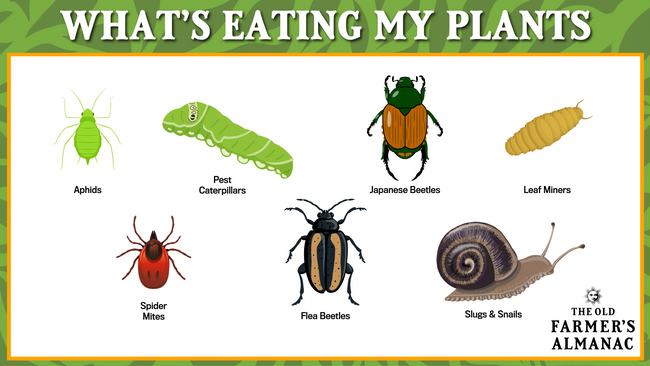
- Natural pest control: Crows consume beetles, caterpillars, grubs, and grasshoppers that otherwise damage crops. See our insect pest control library!
- Cleanup crew: They help prevent disease by eating carrion and scraps.
- Seed dispersal: They contribute to natural reforestation by spreading seeds. Discover how crows help save trees and are good for the ecosystem.
So while they might raid your corn patch, they’re also keeping cutworm populations in check. The trick is finding the balance between friend and foe.
Gardening Products
Control and Prevention
How to Keep Crows Away From Crops
As clever as they are, crows don’t give up easily once they’ve discovered a tasty buffet in your garden. The goal isn’t to banish them from the neighborhood, but to protect your most vulnerable crops. Think of it as outsmarting the tricksters with a few tried-and-true defenses.

Physical Barriers
- Cover fruit with bird netting: 4-inch mesh lets small songbirds through but blocks crows. Anchor securely at the base of trees or shrubs. Learn more about bird control with fruit trees.
- Shield seedlings and corn: Row covers, cloches, or paper bags over corn ears—once the silk turns brown—protect young plants.
- Block flight paths: Stretch fishing line or cord in a loose grid above beds to discourage swooping raids.
Scare Tactics
- Make it shiny and surprising: Hang old CDs, pie tins, Mylar balloons, or fluttering scare tape. Move them often; crows quickly learn what’s fake.
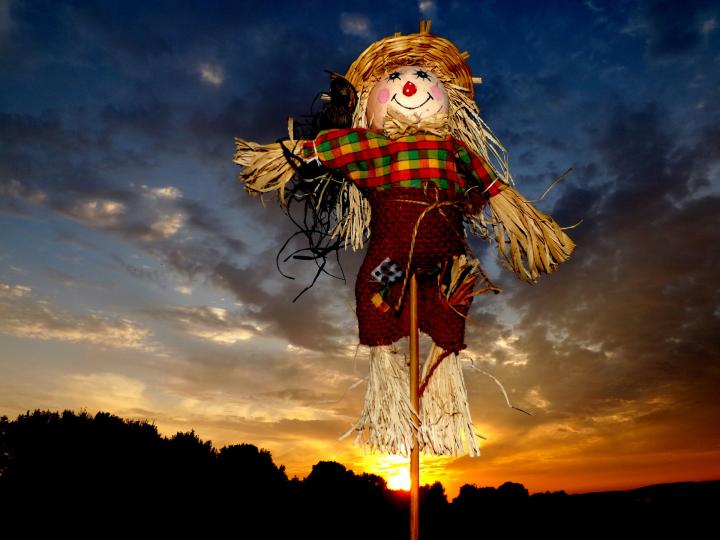
- Build a scarecrow with flair: Folklore says hickory-wood arms help. The real key is to change its look and location regularly.
- Add sound or motion: Wind chimes, flags, or motion-activated sprinklers can startle crows and keep them guessing.
Persistence is key—because crows are nothing if not persistent themselves.
Living With Crows
Crows are clever, curious, and sometimes cheeky, but they’re also fascinating neighbors. Instead of waging a full-on war, consider them part of your garden ecosystem. They help control insect populations, clean up leftover scraps, and even provide early-morning entertainment with their antics.
A few tips for coexisting:
- Pick your battles: Protect the crops that matter most, and let them have access to less important items.
- Observe and learn: Watching their patterns helps anticipate when and where they’ll strike.
- Appreciate the cleverness: There’s a lot to admire in a bird that problem solves, communicates, and recognizes faces.
With a little strategy and a dash of patience, you can enjoy the benefits of having crows around—while keeping your berries, corn, and seedlings safe.

More Like This


Comments