Primary Image
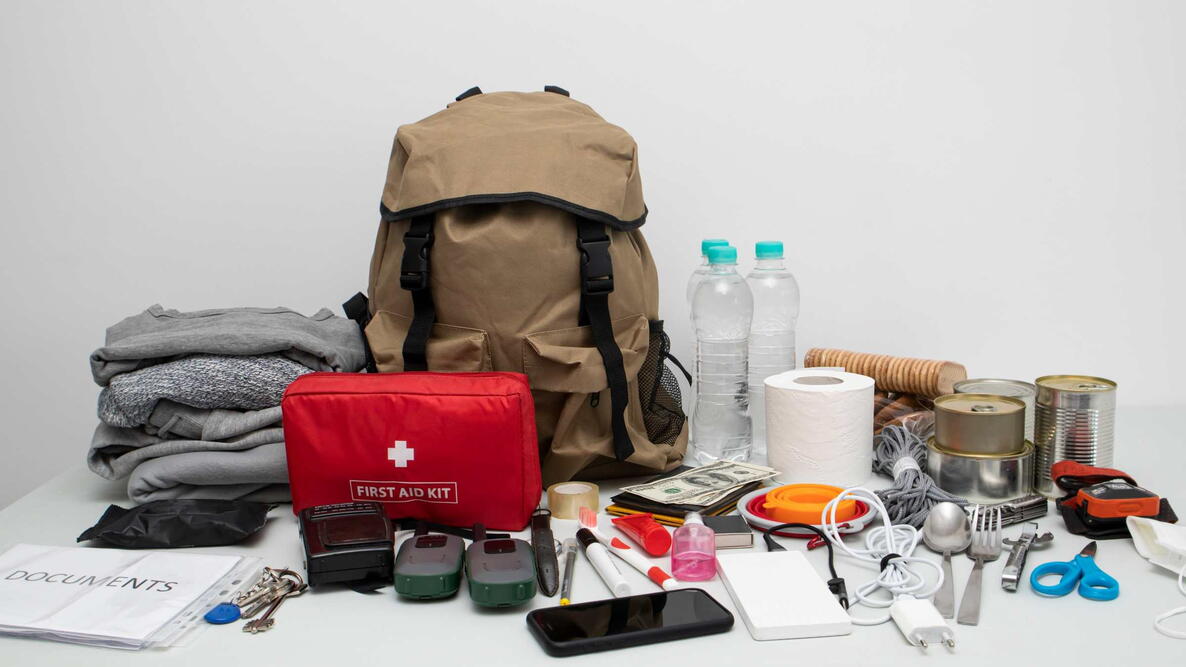
Image Credit:
Skylines/Shutterstock


More Like This




Just letting you know that Pet Supplies were not mentioned in your Emergency Survival Lists…
Pets: Have a dog bed/blankets for each dog. or cat. 3 days of food in sealed bags. (I put my dogs food in ziploc freezer bags, it keeps bugs and any water out). My smaller dog uses a half gal water a day, lab uses a gal. I keep sweaters in waterproof bags too. Along with people medicine have pet medicine too.

Great tip, thank you, Jeanne!
I'm a prepper. You actually need 4 gallons of water, per person, per day. If you have animals, 1 gallon per animal per day is more than sufficient along with their food.
I got a crank radio/flashlight from Walmart that needs no batteries. Will run about an hour on a full crank. Nice to stay informed during an emergency. They have several more expensive ones that also has a place to charge your devices.
You should also carry a pocket knife and some rope. You can purchase small nylon rope anywhere. Also always remember good footwear with a spare pair of socks. It doesn't matter what kind of climate you live in but good comfortable boots will be good in case of any terrain you may need to walk.
also with the emergency kits don't forget your animals...extra food, water and litter are needed and if you have to leave your home make sure the animal holder is available..i have 2 cats and i keep everything together in the holder..
Don't forget the toilet paper. Also have a 5 gallon bucket and plastic bags to line it with to use as a toilet, just in case the water is cut off like it was here when IKE hit.
Do not line the bucket with plastic bags or anything! The bag will leak and be very difficult to handle when "loaded".
Much easier to dump the bucket: open the outside clean-out for your house drain system and pour the bucket contents in; or dump it on a compost pile just for human waste and cover with leaves, straw, hay, woodchips or sawdust. Can be used after one year. For composting only: use sawdust or woodchips in the bucket to cover solid waste and use a second container for urine only. Urine can be used for nitrogen in the garden, diluted up to 10 water with 1 urine.
📣The Gardening Club Just Got Better! 3 Deliveries, 10% Store Discount, and more!

Comments