Mosaic Virus in Garden Plants: How to Identify, Prevent, and Control

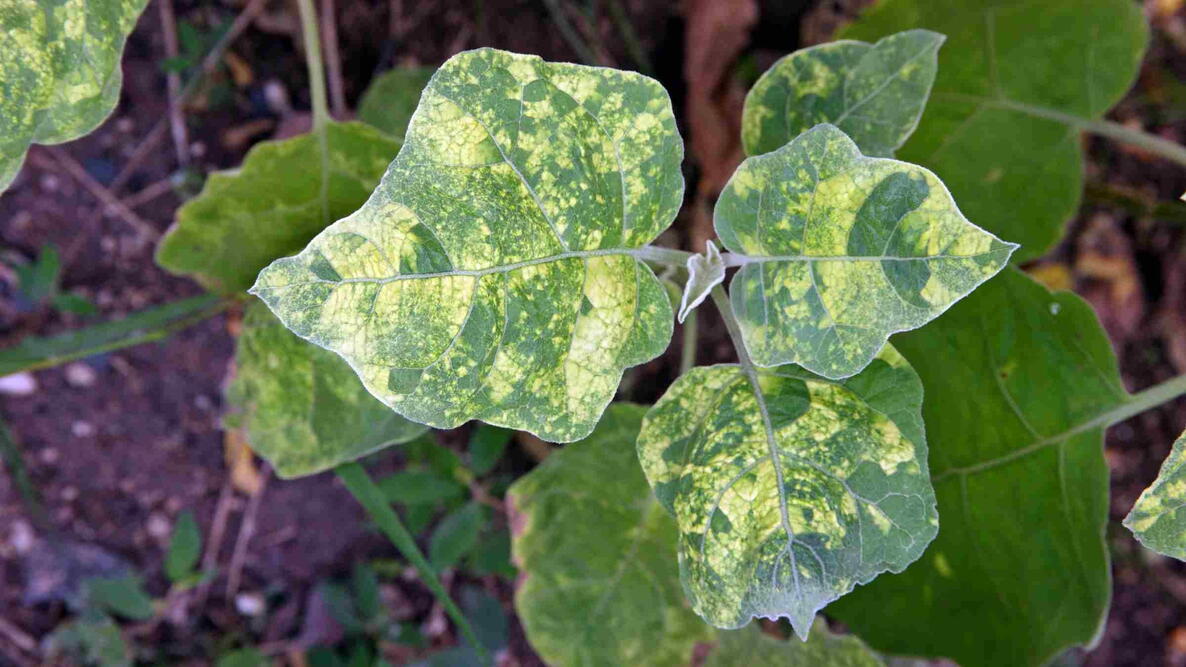
virus disease on eggplant, yellow leaf mosaic

Caption

Eggplant feeling under the weather—yellow mosaic virus strikes, leaving patchy yellow leaves instead of lush green!

Photo Credit
Lertwit Sasipreyajun
Subhead

Spotting and Stopping Mosaic Viruses Before They Take Over Your Garden

Written By: Catherine Boeckmann Executive Digital Editor and Master Gardener

Ever looked at your prized tomatoes or cucumbers and thought, “Why do my leaves look like a patchwork quilt?” Those splotches, streaks, and stunted stems may be the handiwork of a mosaic virus. These pesky plant viruses can infect vegetables, fruits, and flowers, leaving your garden looking a little… well, under the weather. But fear not, home gardeners! With the right know-how, you can identify, prevent, and manage mosaic viruses, keeping your garden thriving and colorful.

Key Takeaways for Gardeners

  • Mosaic viruses are common but preventable.
  • Early identification and removal of infected plants can limit spread.
  • Focus on resistant varieties, insect control, and hygiene to protect your garden.

What Are Mosaic Viruses?

Mosaic viruses are a group of plant viruses that create a mottled, patchy appearance on leaves, often in yellow, white, or varying shades of green. They can stunt growth, deform leaves, and reduce yields. Over 150 types of plants are susceptible, including common garden favorites like tomatoes, squashes, cauliflower, and cucumbers, but many more are susceptible.

Types of Mosaic Viruses

While “mosaic virus” is a broad category, some types are more common in home gardens:

  1. Bean Common Mosaic Virus (BCMV) and Bean Yellow Mosaic Virus (BYMV) are the primary mosaic viruses that affect beans of all types. Aphids typically spread them, but BCMV is also seed-borne, so do not save seeds from infected plants.
  2. Cucumber Mosaic Virus (CMV) is one of the most widespread mosaic viruses, typically transmitted by aphids. As can be inferred from its name, cucumber mosaic virus often affects cucumbers, but it is also a common problem for many other garden plants, including other cucurbits (melons, squashes), nightshades (tomatoes, peppers, eggplants, potatoes), and leafy greens (lettuce, spinach). Can cause “shoestring syndrome,” where leaf edges fail to develop, leaving narrow strips.
  3. Tobacco Mosaic Virus (TMV) spreads through seed contact and direct handling of infected plants. The leaves show yellow mottling, and new growth may be twisted or deformed. Planting resistant varieties is the best defense.
  4. Yellow Leaf Mosaic Virus (YLMV) is often found in okra, beans, and tomatoes. Spread by whiteflies, the symptoms include yellow mosaic patterns, curling leaves, and stunted growth.

These are just a few common mosaic viruses, but similar viruses may affect many other vegetables and flowers in your garden

Identification

How to Identify Mosaic Viruses and Damage

Viral diseases are challenging to identify because their symptoms vary from plant to plant and can also change depending on the age of the plant and its growing conditions. However, common signs include:

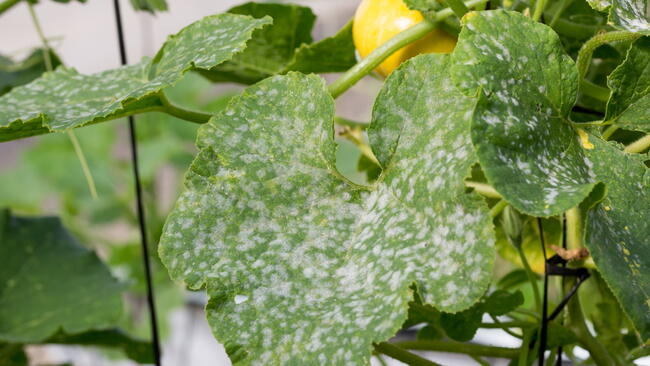
Mottled leaves with yellow, white, and green patches, sometimes blistered.

  • Stunted or slow growth.
  • Deformed leaves: crinkled, wavy, or twisted.
  • CMV: misshapen leaves and “shoestring syndrome.”
  • TMV: twisted new growth and yellowed leaves.

Regular inspection is key—early detection can help limit spread.
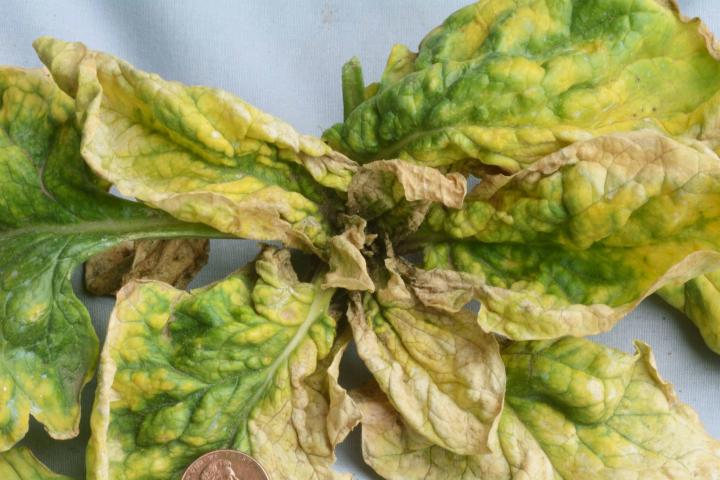
cucumber mosaic virus on spinach leaves
Cucumber mosaic virus causes severe damage and discoloration to a spinach plant.
Photo Credit: University of California. 

Control and Prevention

How to Control Mosaic Viruses

Once plants are infected, there is no cure. Prevention is your best strategy. For infected plants:

  • Remove all infected plants and destroy. Do NOT put them in the compost pile, as the virus may persist in infected plant matter. Burn infected plants or throw them out with the garbage.
  • Monitor nearby plants closely, especially those that are located near infected plants.
  • Disinfect gardening tools after every use with a bleach solution or an antiviral spray.

How to Prevent Mosaic Viruses

  • Plant resistant varieties when available (e.g., TMV-resistant tomatoes).
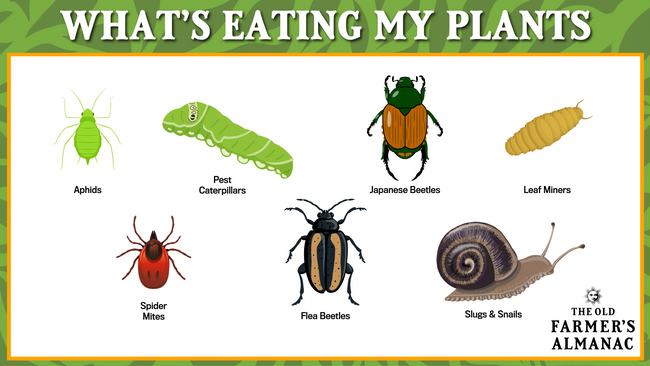
  • Control insects that spread the disease, especially aphids and leafhoppers. Floating row covers or reflective mulch can help. Look at our other tips for controlling aphids.
  • Manage weeds, which can host viruses and their insect carriers.
  • Treat seeds of susceptible plants in a 10% bleach solution before planting to prevent seed-borne viruses.
  • Practice garden hygiene: wash hands after handling plants and disinfect tools regularly.

Frequently Asked Questions

Q. How can I tell if my plant has mosaic virus?

A. Patchy yellow-green mottling, curled or wrinkled leaves, and stunted or misshapen fruit are telltale signs.

Q. Which plants are most at risk?

A. Cucumbers, squash, melons, tomatoes, peppers, beans, and eggplants—plus some ornamentals.

Q. Can mosaic virus be cured?

A. No. Once a plant is infected, it remains infected. Remove and destroy sick plants.

Q. What should I do if I spot it?

A. Pull up infected plants (don’t compost them), disinfect tools, and control insect pests that spread the virus.

Q. How can I prevent mosaic virus?

A. Plant resistant varieties, rotate crops, wash tools and hands, manage weeds, and keep aphids in check.

Just like people, plants sometimes catch a bug. A little prevention goes a long way—wash up, keep things tidy, and let the healthy plants shine.

About The Author
Catherine Boeckmann

Catherine Boeckmann

Executive Digital Editor and Master Gardener

Catherine Boeckmann is the Executive Digital Editor of Almanac.com, the website companion of The Old Farmer's Almanac. She covers gardening, plants, pest control, soil composition, seasonal and moon c...