Caption
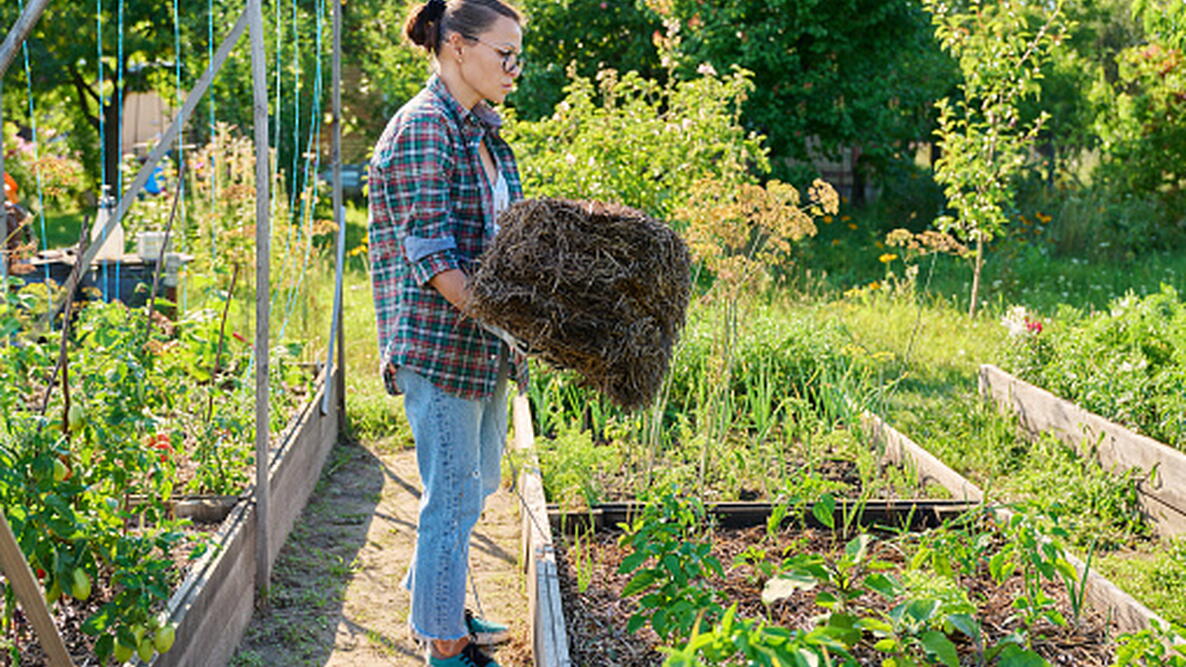
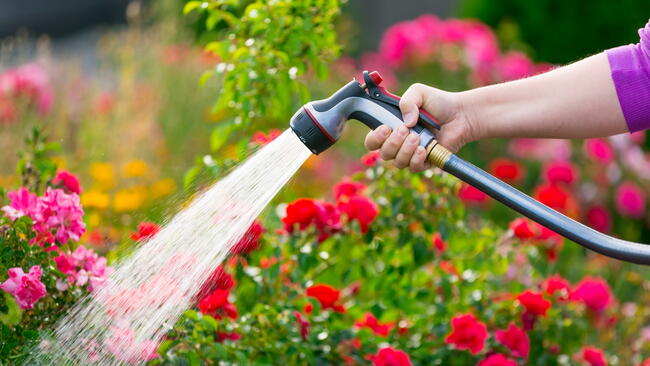
Gardeners are adapting to drier summers with mulch, raised beds, smarter watering, and more resilient planting strategies. Photo: Valeriy_G

Some summers are tougher on gardens than others—and this year, longer dry stretches are likely in parts of the country. Dry soil, stressed plants, browning lawns, and tougher decisions about what gets watered first may become familiar challenges during periods without steady rain.
Dry summers are making more gardeners think differently about keeping soil moist, choosing plants, and using water more carefully outdoors.
Below, we’ll walk through practical ways to help vegetables, containers, lawns, and landscapes handle dry summer conditions more successfully—without watching water bills climb.
.png)
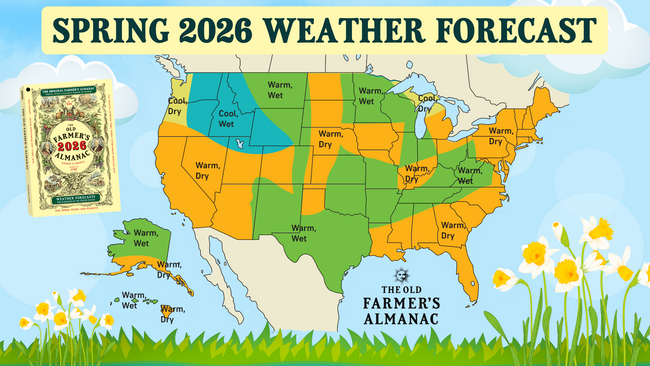
We often associate dry summer gardening with the West and Southwest—and, indeed, those areas are expected to experience drier-than-normal conditions in 2026. But the story is expanding eastward.
- Expect drier-than-normal conditions across much of the northern tier of the United States, from Idaho east to Michigan, as well as south into northern Texas.
- A separate swath of dryness stretches from the Northeast down the Atlantic Coast into parts of the Southeast and Florida, as well as west through the Ohio Valley.
See the full 2026 Summer Weather Forecast for the complete summer outlook.
Many of these areas are also already experiencing drought heading into summer, according to the U.S. Drought Monitor. Dry conditions and drought are not exactly the same thing: A dry summer forecast points to below-normal rainfall ahead, while drought reflects longer-term shortages in soil moisture, rainfall, and groundwater as well as streams and reservoirs—increasing stress on lawns and containers.
For gardeners, that can mean tougher choices about watering and a growing interest in native plants, mulch, drip irrigation, and other ways to help gardens handle longer dry stretches.
Build Better Soil Moisture Before Dry Weather Hits
Let’s start with one of the most important basics: helping soil hold moisture longer during dry weather.
- Water deeply and less often. Water needs to reach the roots (6 to 8 inches down). People who go outside and sprinkle the garden frequently and shallowly are only reaching the top surface, which means weak roots and more weeds.
- Water plants at the soil level. Try to avoid overhead sprinklers when possible. We are watering the roots. Place the hose near the base of the plant and let the soil absorb the water before moving on.
- Do not water leaves. This wastes moisture and can encourage fungal diseases during humid weather.
- Water only where plants need it most. Soaker hoses and drip irrigation slowly deliver water directly into the soil near plant roots instead of spraying water through the air.
- Water early in the morning. Midday watering evaporates quickly during hot weather.
- Check the soil before watering again. About 30 minutes after watering, dig down a few inches or use your finger or a soil moisture meter to see whether moisture actually reached below the surface.
- Mulch heavily. Bark mulch, straw, shredded leaves, and compost help reduce evaporation and keep roots cooler.
- Consider rain barrels. Collect water to use in your yard.

Containers and Raised Beds Need Extra Attention
Containers, hanging baskets, and raised beds usually dry out faster than in–ground gardens—especially during hot or windy weather.
During prolonged dry stretches, some containers may need watering every day. Small pots and hanging baskets usually dry out the fastest because they hold less soil and moisture.
Before watering, check the soil with your finger. If the top inch feels dry, it’s usually time to water.
In my experience, inexpensive soil moisture meters are especially helpful for containers because pots often look dry on top while still holding moisture deeper down.
I also use simple watering bulbs in some of my patio containers during hot stretches. These glass or plastic bulbs slowly release water into the soil over time and can help containers stay evenly moist between waterings.
Grouping pots together can also help reduce evaporation. I’ve found that containers clustered together in partial afternoon shade usually stay moist longer than isolated pots sitting in full sun.
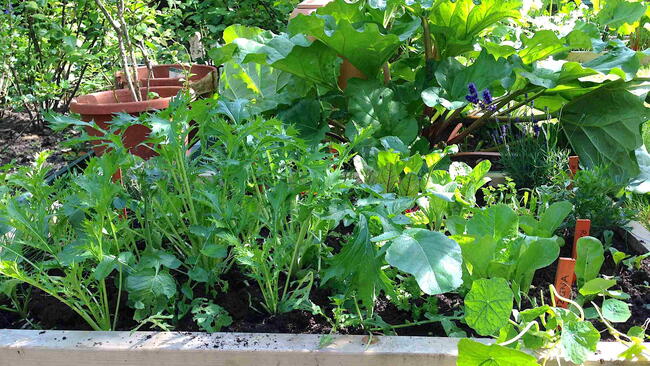
Raised beds also dry out quickly. Soaker hoses and simple drip irrigation systems are especially helpful because they slowly deliver water directly into the soil instead of spraying it into the air.
Vegetable Gardens Are Often First to Struggle
Vegetable gardens are often the first places gardeners notice dry-weather stress.
Lettuce may wilt by the afternoon. Tomatoes can drop blossoms during uneven watering. Spinach, cilantro, broccoli, and other cool-season crops may bolt quickly during dry weather.
In my experience, leafy greens usually need the most protection during hot, dry stretches.
To help vegetable gardens handle dry weather more successfully:
- Mulch around vegetables to help hold soil moisture
- Use shade cloth during the hottest part of the day
- Plant greens where they receive morning sun and afternoon shade
- Use taller companion plants or trellises to create natural shade
- Water consistently to help prevent stress and blossom drop
- Focus watering at the base of plants rather than spraying foliage
Note that some vegetables naturally tolerate dry conditions better than others. For more detailed guidance, see our Vegetable Garden Watering Chart.
Dry Gardens Don’t Have To Look Like Desert Landscapes
When people hear “dry garden,” they often picture cacti, gravel, and desert landscaping. But many water-conscious gardens still look very familiar—raised beds, vegetable rows, mulched pathways, drip irrigation, and carefully planned watering zones.

In many ways, dry-summer adaptation is spreading beyond the Southwest. Gardeners in places like Colorado, Wisconsin, New England, and the Southeast are experimenting with practical ways to conserve water while still growing vegetables, herbs, flowers, and fruit.
That doesn’t necessarily mean replacing an entire yard or turning a garden into a desert landscape. In many cases, it simply means gardening a little differently: watering more efficiently, improving soil moisture retention, grouping plants more thoughtfully, and choosing crops or flowers that can better handle dry stretches.
These sample garden plans show a few practical ways gardeners are adapting to drier summer conditions in different regions of the country. See the plant lists for each layout, plus more dry garden plans.


Lawns May Be the First Thing People Rethink
For decades, the ideal summer lawn was lush, green grass from edge to edge. But prolonged dry weather—and, in some areas, watering restrictions—are changing how many homeowners think about lawns.
In my experience, this is often where gardening habits start to shift.
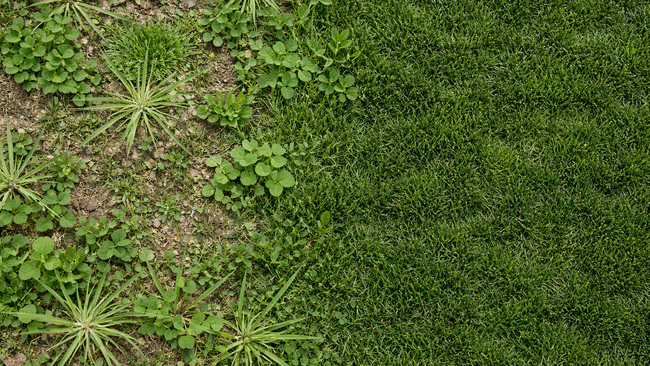
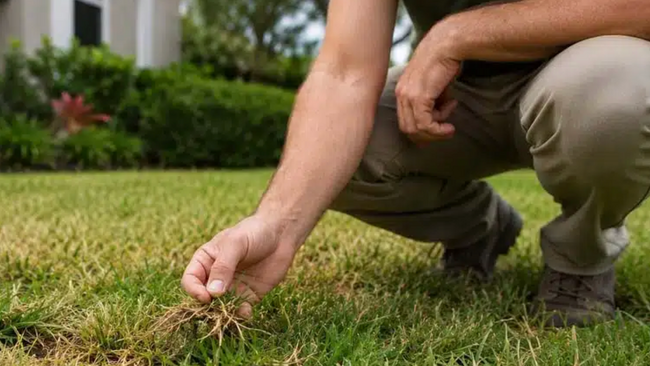
Many lawns naturally slow down or go dormant during prolonged dry weather anyway. Grass may turn brown or stop growing during extended dry stretches, especially in full sun.
During dry summers, it may help to accept that lawns will not always stay perfectly green. If nature’s landscape looks drier and has some patches of gold or brown, just let your lawn do the same.
During dry periods, many gardeners choose to focus limited water on vegetable gardens, young trees, containers, and foundation plantings rather than trying to keep every patch of grass perfectly green.
To help lawns handle dry weather more successfully:
- Raise mower height slightly so grass blades shade the soil and hold moisture longer
- Avoid cutting drought-stressed grass too short
- Leave grass clippings on the lawn to help return moisture and nutrients to the soil
- Water deeply and infrequently if local restrictions allow
- Let naturally dormant lawns rest instead of forcing growth during extreme heat
After several dry summers, some homeowners are also starting to experiment with smaller lawn areas, native grasses, pollinator-friendly plantings, and meadow-style landscaping that require less irrigation overall.
For example, in parts of Colorado and the Plains, some homeowners are replacing small sections of traditional turf with drought-tolerant buffalo grass.
More Gardeners Are Choosing Native and Drought-Tolerant Plants
Dry summers are also changing the kinds of plants many people grow. My sister, who lives in Denver, Colorado, recently started looking into native plants after dealing with severe city watering restrictions.
Native plants are often a good place to start because they’re naturally adapted to local rainfall patterns and growing conditions. Once established, many require less watering and maintenance than traditional landscape plants.
Many gardeners are also experimenting with native wildflowers, pollinator gardens, and meadow-style plantings that can stay attractive with less irrigation during dry stretches.
For regional ideas, see our guide to Growing Wildflowers by Region.
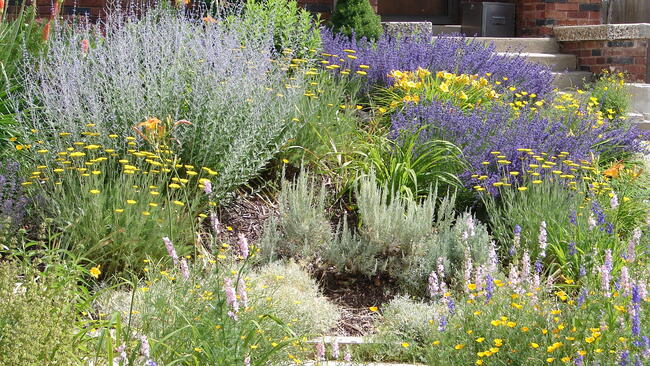
Popular drought-tolerant choices include:
- Lavender
- Coneflower
- Yarrow
- Black-eyed Susan
- Russian sage
- Native wildflowers
For more ideas, see our guide to Drought-Tolerant Plants That Thrive With Little Water.
Gardens Are Adapting
Not every gardener is looking to completely redesign their yard—and many people are simply trying to get plants, lawns, and vegetable gardens through a dry summer without watching water bills climb.
But in my experience, dry summers do have a way of changing gardening habits over time.
Sometimes that means watering differently. Sometimes it means planting more resilient flowers. Sometimes it means shrinking part of the lawn or trying native plants for the first time.
And increasingly, gardeners are discovering that resilient gardens can still be beautiful, colorful, productive, and full of life—even during dry summers.

More Like This

Comments