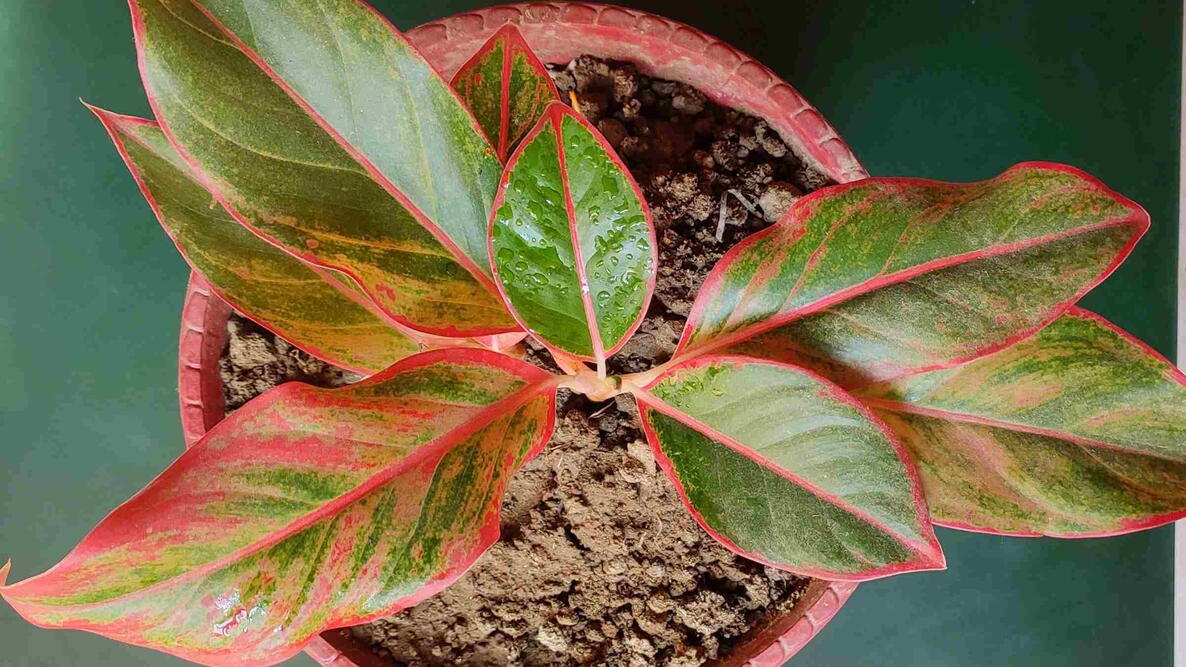
Caption
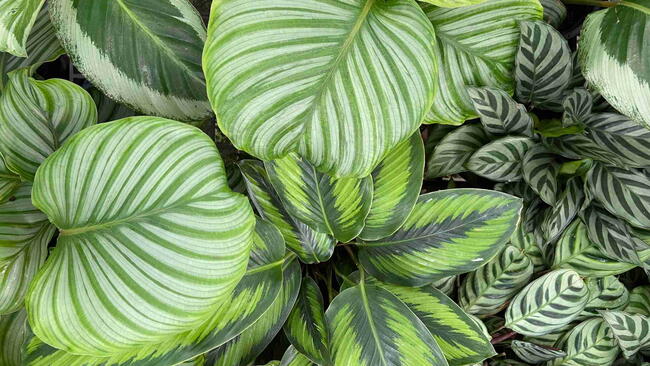
Colorful Chinese evergreen foliage makes this plant a favorite for indoor growing.

Got bad luck with houseplants? Try your hand at keeping a Chinese evergreen—a famously low-maintenance tropical plant that thrives in low light and is said to bring luck and prosperity to anyone who grows it! From lighting needs to fertilizer, here’s a look at everything Chinese evergreens need for optimal color and growth, plus care tips for the home, the office, and the garden, too.
About Chinese Evergreen Plants
Native to the warm and humid forests of tropical Asia and New Guinea, wild Chinese evergreens grow perennially in the shade of taller plants and trees and typically sport variegated green and silver leaves. Cultivated varieties, however, are much more colorful and may feature bold splashes of red, white, silver, green, pink, and even purple coloring on their lance-shaped leaves, depending on the cultivar.

Closely related to pothos, philodendrons, caladiums, and other Araceae plants, Chinese evergreens are great plants for beginners and tolerate shade, relatively dry soil, and other conditions that would cause many indoor plants to wilt.
They also grow beautifully under fluorescent lights, which makes them fine choices for offices, and they can be grown outdoors in zones 10 through 12, too. That said, Chinese evergreens do crave humidity and can be a little fussy in homes that run on the dry side.

When mature, these plants usually stretch between 1 and 3 feet tall and may produce inconspicuous flowers in summer that should be clipped away to extend the plant’s life.
I like to group Chinese evergreens on a pebble tray with other humidity-loving plants like calathea, which helps to preserve my plants’ leaves even when my home runs dry in winter.
It’s important to note that these plants are toxic to pets, though, so they may not be the best choice if your furry friends have a taste for houseplants!
Planting

Chinese evergreens are typically sold as potted houseplants at nurseries, but they can be grown as outdoor container or garden plants in zones 10 through 12.
Either way, it’s best to repot or plant Chinese evergreens as soon as you get them home to freshen their soil and get rid of any hitching pests.
How to Plant or Repot a Chinese Evergreen
As a houseplant:
- Gently remove the Chinese evergreen from its pot by tipping the pot to the side and wiggling the plant out. If the pot sticks, run a butter knife around the rim to loosen the soil.
- Tease apart any encircling roots and brush off most of the lingering soil.
- Replant the Chinese evergreen in a new pot filled with fresh houseplant potting mix. Any pot you use should have drainage holes in the base and be no more than 1 to 2 sizes larger than the plant’s nursery container.
- After planting, give your Chinese evergreen a deep drink of water and place it in bright indirect light so it can grow.
In the garden:
- In spring, dig a hole in a shaded and well-draining part of your garden that’s just slightly larger than your plant’s root ball.
- Amend the excavated soil with compost and tease apart any encircling roots.
- Plant the Chinese evergreen in the hole at the same depth it was growing in its old container.
- Water well, add mulch, and make sure your plants have at least 3 feet of space if you’re growing multiple Chinese evergreens together.
Growing
Knowing how to care for a Chinese evergreen plant properly will help it maintain vibrant color, produce new leaves, and grow steadily indoors.
Healthy growth starts with the right container and soil. Although Chinese evergreens can be grown in a variety of containers, I like to keep mine in terracotta pots, which I find are the best for preventing root rot and encouraging slow, even growth.
Standard houseplant potting mixes work just fine for these plants; however, because Chinese evergreens are sensitive to excess moisture, I usually blend potting mix with perlite or sand at a 1:1 ratio to improve drainage and support healthy root development.
Peat moss can also be added to lower the soil pH for these acidic-loving plants, which can help improve nutrient uptake and overall vigor, but it isn’t required.

Types

There are tons of different types of Chinese evergreens, which vary in color and size. Here are a few varieties you may want to try at home; you may find even more at your local plant store!
- ‘Silver Bay’: A variegated beauty, ‘Silver Bay’s leaves stretch 12 inches long and have silvery coloration in the leaf center.
- ‘Emerald Beauty’: Growing up to 30 inches high, ‘Emerald Beauty’ features variegated dark and light green leaves.
- ‘Red Catrina’: A fun alternative to poinsettias around the holidays, ‘Red Catrina’ produces nearly completely red leaves with a tiny touch of dark green at the leaf edges.
Propagation
Make your own plants for free by learning how to propagate the Chinese evergreen plants you already own in two different ways!
- From stem cuttings: The easiest way to propagate Chinese evergreens is to take 4 to 6-inch long stem cuttings from your plants in summer using a sharp, sterilized knife or pair of scissors. Make the cut at a leaf node, place the cut stem end in water in indirect light, refresh the water regularly to keep it clean, and replant the cutting into a pot filled with potting mix when the cutting sprouts roots in about 3 to 4 weeks.
- From plant division: To divide Chinese evergreens, remove your plant from its pot in summer and tease the roots apart with your fingers to separate the plant into clumps. Make sure each clump has roots and stems, repot the plants into their own pots with potting soil, and keep the soil moist for a few weeks until the plants settle in.

More Like This


Comments