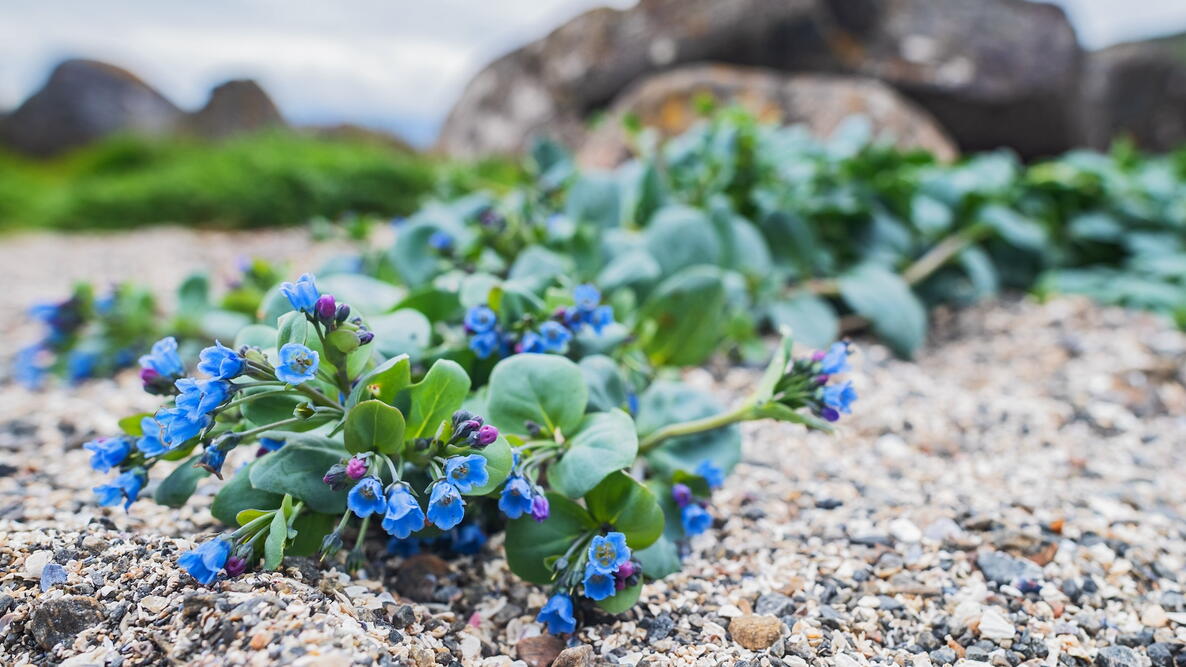

Planting

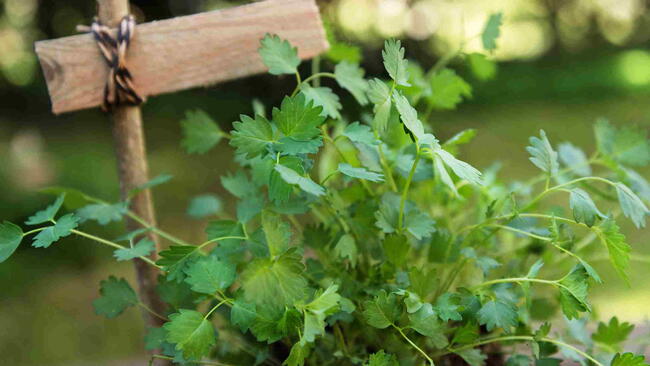
Oyster leaf is a relatively hard-to-find plant. You’re unlikely to spot potted oyster leaf plants at garden centers. If you’re having a hard time tracking down oyster leaf seeds, check out heirloom and traditional seed companies. That’s where I usually find them! I always grow these herbs from seed using the following planting steps.
When to Plant Oyster Leaf
Oyster leaf grows wild in cold climates; its seeds typically sprout better with cold stratification. I’ll usually start cold stratifying oyster leaf seeds in my fridge in early winter, and then plant the stratified seeds in pots in mid-spring. However, oyster leaf seeds can also be cold stratified in the garden by planting the seeds directly in veggie beds or under cold frames when the ground freezes.
How To Plant Oyster Leaf
From Seed (Indoor)
Surface sow oyster leaf seeds in pots filled with damp seed starting mix, and make sure that you don’t bury the seeds under soil. Keep the seeds in bright light, water often, thin out the extra seedlings when they sprout true leaves, and transplant the seedlings into your garden when the risk of spring frost is over. When transplanting, plant oyster leaf seeds to the same depth they were growing in their nursery pots, and space multiple plants at least one foot apart.
From Seed (Outdoor)
Prepare your planting space before the ground freezes by raking away leaves and adding compost if needed. Then, surface sow oyster leaf seeds when the ground is frozen and start watering the seeds when they sprout in spring.
Growing

Once they start growing, oyster leaf plants don’t need much attention, but you can prompt them to grow bushier by pinching back some of their leaves to a leaf node. I like to mulch oyster leaf with pea gravel to imitate its natural growing conditions, but you can mulch these plants with straw or bark mulch, too.
If your soil is poorly draining, mix some sand and compost in before planting to recreate oyster leaf’s natural growing conditions and improve soil fertility.
Care
Oyster leaf is a perennial herb that should survive winters in cold climates without any winter protection. That said, mulching around your plant’s roots won’t hurt. These plants don’t like hot summers, though, and will need more frequent watering during hot, dry spells.
Throughout the season, I’ll cut damaged or dead oyster leaf stems down to the soil line as they occur, but I rarely do any other pruning. These plants typically flower from June to October and can be used to fill in the bloom gap between spring and fall flowering plants.
For optimal growth, oyster leaf should be fed approximately once a month in spring and summer with a diluted and balanced liquid organic fertilizer. I like to feed these plants with diluted kelp or fish emulsion, but you can use whatever fertilizer you prefer! Oyster leaf doesn’t have any special watering requirements and, like many other edible plants, should be watered when the top one inch of soil feels dry.
Cold-hardy oyster leaf doesn’t mind chilly weather, and a period of cold temperatures can actually help seeds germinate faster.
Although oyster leaf can grow in full sun locations, these plants prefer areas that receive some light shade in the afternoon.
Harvesting

You can harvest oyster leaf plants from June through September, once the plants are at least six inches tall. Just pinch the outer leaves off your plants and pick a few flowers if you’d like to. Be sure to work in batches, though, and never harvest more than 1/3 of your plant’s leaves in one go. Overharvesting can cause oyster leaf plants to stop growing.
Propagation
Most gardeners propagate oyster leaf plants from seeds, which can be collected from the plants when the flowers drop their petals in the fall:
- Wait for the oyster leaf petals to dry up, and then pluck off the dried seed capsules before they drop their seeds.
- Bring the seed capsules indoors and allow them to dry on a screen or plate for a week or two.
- Split the capsules open, collect the seeds, and store them in a labeled and dated paper envelope until you plant them!

More Like This

Comments