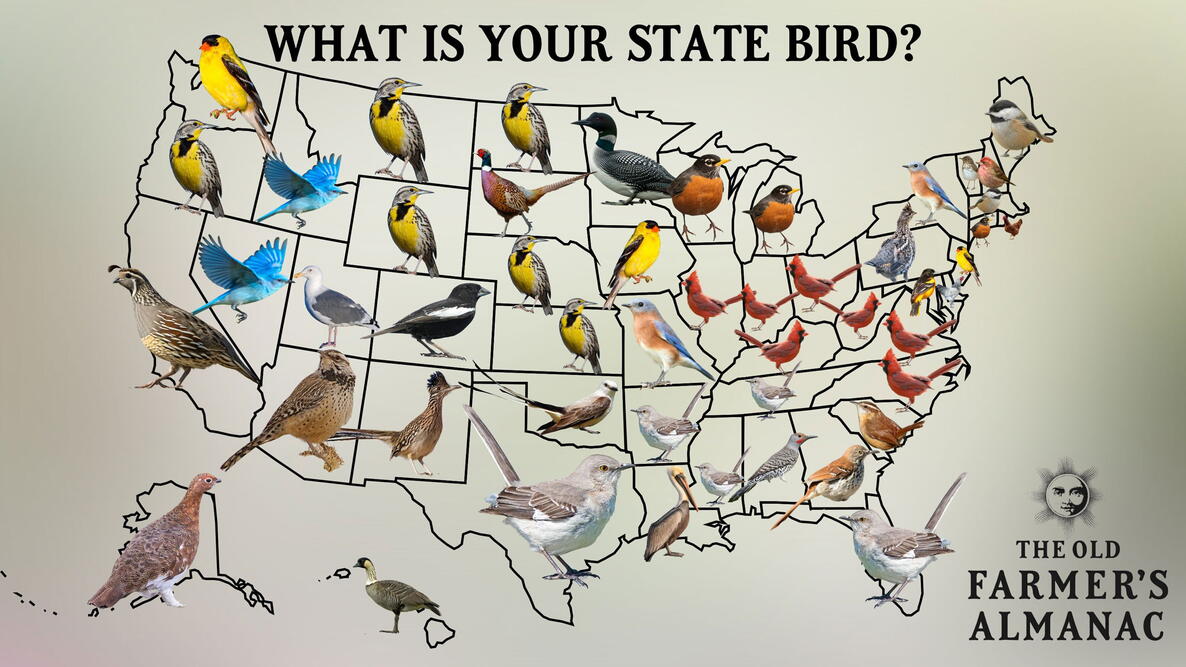


| State | State Bird | Scientific Name |
|---|---|---|
| Alabama | Northern Flicker (Yellowhammer) | Colaptes auratus |
| Alaska | Willow Ptarmigan | Lagopus lagopus |
| Arizona | Cactus Wren | Campylorhynchus brunneicapillus |
| Arkansas | Northern Mockingbird | Mimus polyglottos |
| California | California Quail | Callipepla californica |
| Colorado | Lark Bunting | Calamospiza melanocorys |
| Connecticut | American Robin | Turdus migratorius |
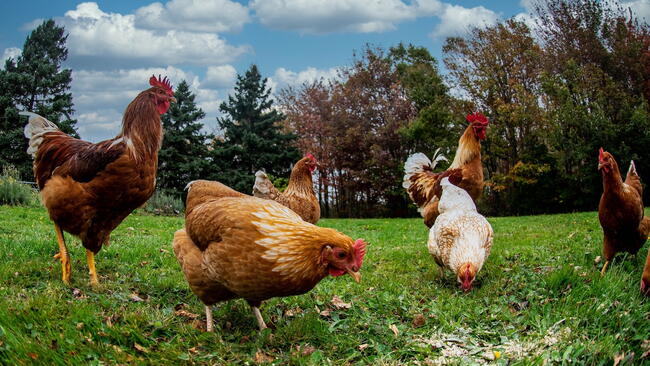
| Delaware | Delaware Blue Hen | Gallus gallus domesticus (domestic chicken) |
| Florida | Northern Mockingbird | Mimus polyglottos |
| Georgia | Brown Thrasher | Toxostoma rufum |
| Hawaii | Nēnē (Hawaiian Goose) | Branta sandvicensis |
| Idaho | Mountain Bluebird | Sialia currucoides |
| Illinois | Northern Cardinal | Cardinalis cardinalis |
| Indiana | Northern Cardinal | Cardinalis cardinalis |
| Iowa | Eastern Goldfinch (American Goldfinch) | Spinus tristis |
| Kansas | Western Meadowlark | Sturnella neglecta |
| Kentucky | Northern Cardinal | Cardinalis cardinalis |
| Louisiana | Brown Pelican | Pelecanus occidentalis |
| Maine | Black-capped Chickadee | Poecile atricapillus |
| Maryland | Baltimore Oriole | Icterus galbula |
| Massachusetts | Black-capped Chickadee | Poecile atricapillus |
| Michigan | American Robin | Turdus migratorius |
| Minnesota | Common Loon | Gavia immer |
| Mississippi | Northern Mockingbird | Mimus polyglottos |
| Missouri | Eastern Bluebird | Sialia sialis |
| Montana | Western Meadowlark | Sturnella neglecta |
| Nebraska | Western Meadowlark | Sturnella neglecta |
| Nevada | Mountain Bluebird | Sialia currucoides |
| New Hampshire | Purple Finch | Haemorhous purpureus |
| New Jersey | American Goldfinch | Spinus tristis |
| New Mexico | Greater Roadrunner | Geococcyx californianus |
| New York | Eastern Bluebird | Sialia sialis |
| North Carolina | Northern Cardinal | Cardinalis cardinalis |
| North Dakota | Western Meadowlark | Sturnella neglecta |
| Ohio | Northern Cardinal | Cardinalis cardinalis |
| Oklahoma | Scissor-tailed Flycatcher | Tyrannus forficatus |
| Oregon | Western Meadowlark | Sturnella neglecta |
| Pennsylvania | Ruffed Grouse | Bonasa umbellus |
| Rhode Island | Rhode Island Red | Gallus gallus domesticus (domestic chicken) |
| South Carolina | Carolina Wren | Thryothorus ludovicianus |
| South Dakota | Ring-necked Pheasant | Phasianus colchicus |
| Tennessee | Northern Mockingbird | Mimus polyglottos |
| Texas | Northern Mockingbird | Mimus polyglottos |
| Utah | California Gull | Larus californicus |
| Vermont | Hermit Thrush | Catharus guttatus |
| Virginia | Northern Cardinal | Cardinalis cardinalis |
| Washington | Willow Goldfinch (American Goldfinch) | Spinus tristis |
| West Virginia | Northern Cardinal | Cardinalis cardinalis |
| Wisconsin | American Robin | Turdus migratorius |
| Wyoming | Western Meadowlark | Sturnella neglecta |
Frequently Asked Questions
Why do states have official birds?
State birds were chosen to reflect regional wildlife, cultural values, or species that locals felt represented their state best. Many selections were made in the early 20th century as conservation awareness grew.
Which bird is the most common state bird?
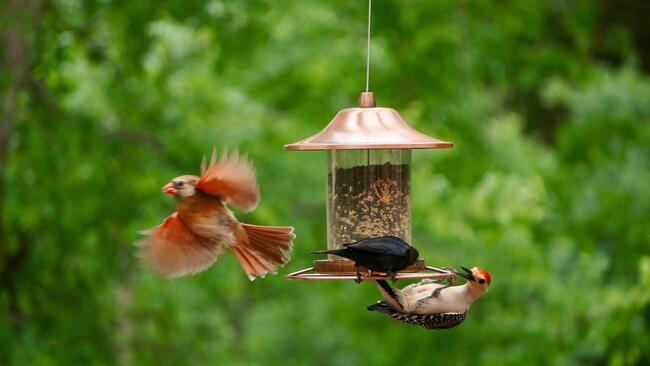
The Northern Cardinal is by far the most popular, representing seven states—more than any other species.
Are all state birds unique?
No. Several birds appear multiple times. Cardinals, Western Meadowlarks, and Mockingbirds are among the repeat choices.
Do state birds ever change?
It’s rare, but possible. Some states have proposed changes due to shifting wildlife populations or cultural considerations.
Why do scientific names matter?
Scientific (Latin) names help avoid confusion between species with similar common names and ensure consistency across regions and languages.
Are state birds protected by law?
Many are protected under the Migratory Bird Treaty Act, which prohibits harming or capturing most native species without special permits.
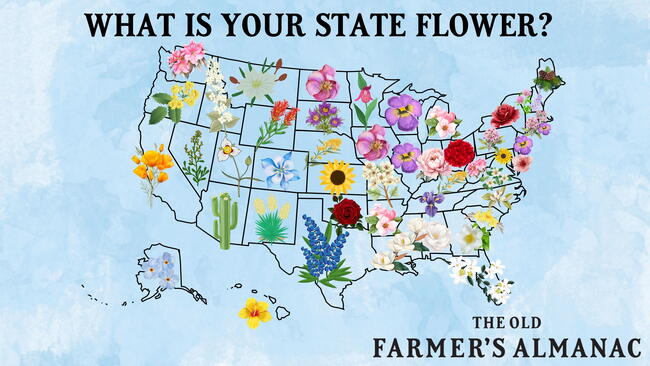
Want to learn more? Check out each of the State Flowers and Wildflowers, or learn all about State Nicknames.
Whether you’re brushing up for a school project, leveling up your trivia skills, or simply appreciating America’s feathered ambassadors, this guide gives you everything you need to know—right down to the Latin names. So, the next time a bird swoops by, you may just recognize a state symbol in flight.
What is your state bird? Do you agree? Tell us in the comments!

More Like This

Comments