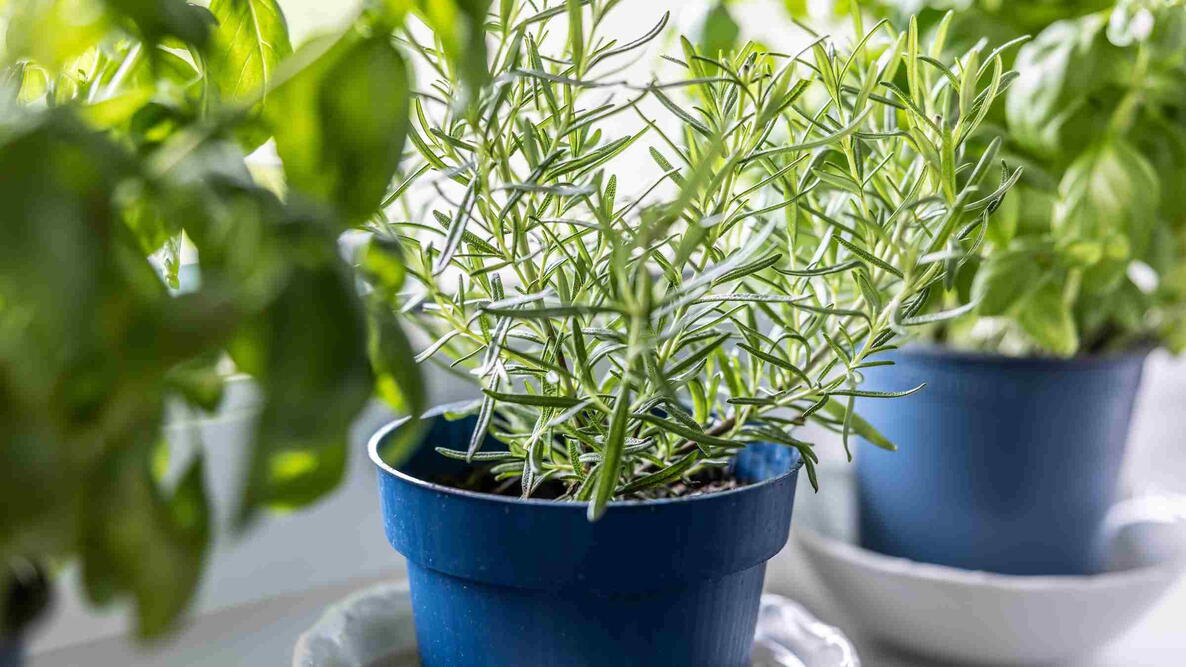
Caption
Fresh green herbs, rosemary, and basil in pretty blue pots on my windowsill.

You don’t need a backyard to grow herbs. When I first started my own indoor herb garden, I was living in a small city apartment with just a sunny window and a few planters. Still, I managed to grow basil for pesto, chamomile for tea, and other kitchen herbs with a bit of soil and creativity. Whether you’re tight on space or just starting out, here’s everything I’ve learned about how to grow herbs indoors—plus simple tips for keeping them thriving in a small space.
Why Grow Herbs Indoors?
Growing your own herbs at home is the best way to get the freshest herbs for cooking. But cultivating herbs inside has a few additional advantages that you just can’t get from growing herbs outdoors in pots or bigger gardens. Here are a few of the top perks I’ve discovered—and reasons why you may want to give it a try too.
- Year-round harvests. Outdoor herbs are usually only harvestable from spring through fall. But I can harvest my indoor herbs in any season.
- Less waste. Store-bought herbs don’t last long and often spoil before we get the chance to use them. However, growing herbs in your own home lets you pick herbs just as you need them — so they never go to waste!
- Saves money. By weight, herbs are one of the priciest foods you can buy at the grocery store, which makes growing your own a budget-savvy choice.
- Small space-friendly. Unlike veggies, herbs don’t take up a lot of space and are one of the easiest plants to grow on a sunny windowsill or kitchen counter.
- Fewer pests. Mealybugs, spider mites, and other pests can sometimes feed on outdoor herbs and spoil leaves and flowers before you harvest them. But I rarely encounter pest issues on my indoor plants.
Aside from all of these benefits, indoor herb gadening be just as easy – if not easier – than growing herbs outside. Whether you want to grow sage, thyme, or another tasty herb, you just need a sunny ledge some soil, and a little know-how to grow lots of herbs for fresh or dried use. No green thumbs required!

What You Need: Indoor Herb Garden Setup Essentials
Outdoor herbs can be grown directly in the soil, or in raised beds or planters filled with a well-draining potting or raised bed soil blend. But if you’re growing herbs indoors, you’ll need just a few supplies to get started. No matter what types of herbs you’re growing, here are the basic ingredients you’ll need for an indoor herb garden setup — plus tips for sourcing your supplies.
- Containers with Drainage. Indoor herb garden containers can include terracotta pots, plastic or ceramic planters, or even hydroponic growing kits. Just make sure that all pots have drainage holes so your herbs don’t develop root rot, and keep individual herbs in containers that are at least 4 inches wide.
- Potting Soil, Not Garden Dirt. The best soil for indoor herbs should be light and well-draining, ideally with perlite or coco coir, and some compost for added nutrients. You can use standard potting mixes if you want, but garden soil is too dense for indoor herbs and can cause drainage issues in pots.
- Seeds or Starter Plants. When choosing containers, you can either grow your own herbs from seed or purchase pre-started plants from local nurseries. The main difference is that seeds are cheaper, but you can harvest herbs earlier from nursery-started plants.
- Optional Supplies. Aside from the basics, you may also want to pick up seedling pots and trays if you intend to start your own herbs from seed, as well as plant labels, a handy watering can, seed starting mix, and an organic liquid fertilizer like kelp or fish emulsion. If your home doesn’t receive a lot of natural light, you may want to invest in a grow light or two as well!
Where to Source Supplies: Local garden centers and plant nurseries should have all of the items you need. You can also source supplies and seeds from seed catalogs or online retailers, like Etsy. I personally like to reuse or upcycle as many gardening supplies as I can to cut costs, so I’ll often start herb seeds in seedling pots made from folded newspaper or paper towel tubes, or grow herbs in pots made from old food containers with drainage holes poked in the base.

How to Grow Herbs Inside: Step-by-Step
Choosing beginner-friendly herbs makes indoor gardening much easier. But understanding the details of how to grow them successfully can help you sidestep common issues like overwatering or stunted growth. Whether you’re working with seeds or transplants, here’s a step-by-step guide to help your herbs thrive from planting to harvest.
Begin With Seeds or Transplants:
Unlike outdoor varieties, indoor herbs can be planted year-round, though spring is often the ideal season. I usually sow mine in March alongside my tomato seedlings, but you can adjust your timing based on when you’d like to begin harvesting.
- If you’re growing from seed, fill a tray or small pots with pre-moistened seed-starting mix and follow the instructions on the packet. Most herb seeds are tiny and only need a light covering of soil. After planting, water gently, place them under a grow light or in a sunny window, and thin out weaker sprouts once they’re a few inches tall to give the stronger ones room to flourish.
- If you’re using nursery-grown plants, select a container just slightly larger than the root ball. Add potting mix to the bottom, position the plant at the same depth it was growing in its original pot, fill in around the roots, and water thoroughly. You can also propagate from stem cuttings—either in water or soil—and pot them up once they’ve developed roots.
Choosing Easy Herbs to Grow Indoors
The best herbs are the ones you use the most in your cooking or purchase often at the grocery store. That said, some herbs are a little better suited for indoor growing than others. If you’re still on the fence about herb selection, here are some of the top herbs that I think grow best indoors!
- Best for beginners. When I first started growing herbs, I found woody-stemmed herbs to be a bit difficult to keep happy inside. But tender-stemmed herbs, like basil, cilantro, parsley, chives, and dill were all much easier to keep.
- Fast-growing herbs. If you want to harvest herbs quickly, begin with nursery plants. Softer, leafy types like chives, parsley, and cilantro. These plants can usually be harvested just a few weeks after planting!
- Herbs for sun or shade. Most herbs grow best in full sun, including herbs like sage, thyme, and oregano. However, dill and cilantro can tolerate slightly lower light levels.
- Herbs for small spaces. Herbs like sage and lavender get big, but herbs like parsley, cilantro, chives, and dill stay compact and are easier to maintain in small pots. Creeping thyme is also ideal for container growing!
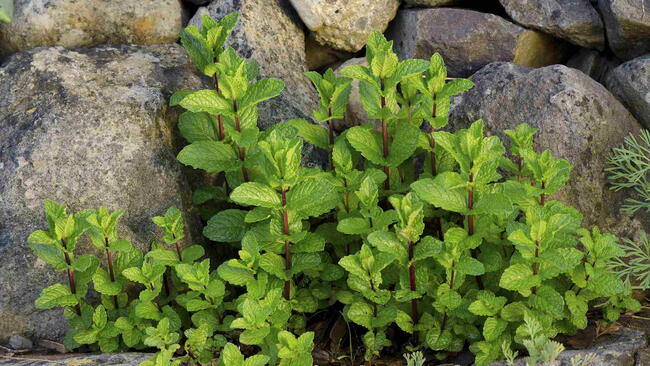
- A word on mint. Mint and mint-like plants, like catnip and lemon balm, are popular and easy-to-grow picks for indoor herb gardens. But these plants can grow aggressively and should always be kept in their own pots.

Light It Right: Indoor Herb Garden Lighting Tips
Indoor herb garden lighting can be a little confusing, as some herbs need more light than others. In general, most herbs are full-sun plants that require at least 6 to 8 hours of direct light to grow properly. However, dill, parsley, and a few other herbs can tolerate a little more shade.
To ensure your plants get the right amount of light, position them near a sunny, south- or west-facing window that receives plenty of sun. If your home doesn’t get much natural light, use an LED grow light instead, position the light 6 to 12-inches above your plant’s leaves, and keep the lights on for 12 to 16 hours a day. I personally keep my grow lights plugged into an automated timer so I never forget to turn them on or off during the day.
As long as you provide herbs with lots of light, your plants should grow just fine. But if your herbs are looking a bit leggy or developing spindly stems, move them close to the window or add a grow light. You may also want to prune your plants to freshen up their growth and help them grow bushier.
Location: Growing Herbs on a Windowsill
If you have a grow light or a hydroponic growing kit, you can keep herbs on your kitchen counter or in another area with poor lighting. But it’s often simpler—and more budget-friendly—to take advantage of natural sunlight by placing your plants near a bright window.
My first indoor herb garden lived on a narrow ledge in my kitchen, where space was tight and creativity was essential. I used a long planter that fit snugly along the sill, which helped me avoid bulky saucers and maximize growing room. You can also expand your setup by using small terracotta pots and arranging them on a compact wire shelf that fits your space.
In my experience, compact herbs like dill, cilantro, and chives thrive in these sunlit spots. They don’t require much room, and rotating their containers a quarter turn with each watering helps them grow upright and evenly. Just be sure to place trays or saucers underneath to catch excess water—especially if your planter doesn’t include a built-in basin.

Indoor Herb Garden Care & Maintenance
Indoor herb garden care isn’t that different from growing herbs outside. Your plants just need the right balance of light, water, and fertilizer — and a little TLC from time to time, too. I’ve grown a lot of herbs indoors over the years, and I’ve found that most common herbs are perfectly content as long as you follow these simple indoor herb garden maintenance tips.
- Watering: Herbs need about 1-inch of water per week and can quickly develop root rot if you overdo it. To avoid this, I always test the soil with my finger before watering and only water when the top 1-inch of potting mix feels dry.
- Feeding: Compared to vegetables, herbs are light feeders and should only be fertilized during the growing season. I feed mine with a diluted application of fish emulsion once a month from spring through fall, but application rates may vary depending on the fertilizer you’re using.
- Humidity: Some herbs can develop dried leaves and crunchy stems in low-humidity homes. Keeping herb pots close together can increase humidity, but I also sometimes mist herbs with a hand sprayer or position them on pebble trays to raise humidity levels.
- Cleaning: From time to time, dust your plant’s leaves and check them over for pests, too. Although pests are less likely to inside, I’ve struggled with spider mites on my indoor herbs when my plants didn’t receive enough humidity.
- Pruning and Harvesting: Pinching herb stems back to a leaf node or harvesting stems regularly will encourage your plants to grow faster and produce bushier growth. I usually harvest just a few stems as I need them for recipes, but you can pick up to 1/3 of your herb plant in one go if you want to dry the stems and leaves for storage or teas.

Pest & Disease Tips
In my experience, herbs tend to be easier to keep than most other plants, and they’re often quite resistant to pests and disease. A lot of this has to do with the strong scent that herbs emit, which naturally repels many pest insects. However, herbs can still occasionally develop problems even if you keep them inside.
- Spider mites are the most common pest I’ve encountered on indoor herbs, and they usually occur when my herb plants get too dry. These pests cause leaf discoloration and poor plant growth, but the easiest way to identify them is by the spider-like webbing they leave on affected plants.
- Other pests, like aphids, mealybugs, scale, and thrips, can also target indoor herbs. However, I’ve only encountered these pests when I’ve brought outdoor herbs inside without quarantining them first. Like spider mites, these pests can cause leaf discoloration and weakened plants, but they may also leave a sticky residue on plants after feeding.
- Diseases in herb plants are usually caused by watering too much or in the wrong way. I’ve lost a few plants due to overwatering or growing them in poorly draining pots. But indoor herbs may also develop mildew issues if you position them too closely together or water them from the top down.
- Prevention. The best way to avoid pests and other plant problems is to quarantine new or outdoor herbs before bringing them inside and to ensure your plants receive the right care. Remember, healthy herbs can naturally resist most plant problems on their own!
- Treatment. I’ve brought sickly herbs back from the brink just by acting quickly at the first signs of stress and being persistent with my treatment protocols. Adding a humidifier and treating pest-ridden herbs with organic soap sprays can effectively eliminate most pest issues. Additionally, repotting and watering less frequently is the best way to help overwatered plants recover.

Indoor Herb Garden Ideas
Creating an indoor herb garden can be as simple as stacking a few terracotta pots planted with your favorite herbs on your windowsill. But if you want to add a bit more creativity to your indoor herb garden or get smart about space savings, here are a few more herb garden ideas to try!
- Vertical herb garden. One of the best ways to save space in a small area is to grow herbs vertically. You can do this by stacking herbs on shelves, growing them in a grow tower, or planting them in baskets or pots tied up with cozy macrame hangers.
- Magnetic pots. Nothing says convenience quite like growing herbs directly on your fridge with magnetic pots. If you want to try this trick, look for small-space-friendly herbs like cilantro, and make sure plenty of sun hits your fridge!
- Mini tea garden. If you want to branch out beyond culinary herbs, consider growing herbs for loose-leaf teas. I always grow chamomile, mint, and lavender for tea-making, but sage, thyme, and catnip make great teas too.
- Upcycled flair. Repurposing old Mason jars, teacups, or tin cans into cute herb pots can add a touch of whimsy to herb gardens. Just remember to poke or drill drainage holes in the base of growing containers with a specialty diamond or carbide-tipped drill bit.
- Themed garden. Some herbs just pair well together and can form the foundation for a themed herb garden to suit your tastes. I love making fresh salsa, so I keep chives and cilantro in my “mini salsa herb garden.” But herbs like oregano, basil, and marjoram are perfect for a pizza-themed garden, and savory, marjoram, and thyme are musts for a “Herbes de Provence” themed spread.
Indoor Herbs FAQs
Can you grow herbs indoors year-round?
Yes. Part of the beauty of cultivating herbs inside that it allows you to harvest herbs in any season!Can herbs grow without sunlight in winter?
No. Like any other plant, herbs need sun to grow in every season, and they will drop leaves and die back if they don’t get enough of it.When should you start herbs?
Indoor herbs can be started in any season, but they usually grow best if you start seeds or transplants in spring.Should you move herbs outdoors in summer?
It’s personal preference. You can grow year-round inside or move your pots outdoors in summer to take advantage of the brighter light. To prevent pest issues, just make sure to check outdoor herbs carefully before bringing them back inside.
Conclusion: Start Small, Grow Fresh
While you may want to grow every herb imaginable in your first herb garden, taking it slow and learning on the go can help you avoid a lot of stress. Remember, keeping just a single basil plant on your windowsill can teach you a lot about growing herbs. You can always add more plants to your herb garden as your gardening skills and herb plants grow!

More Like This

Comments