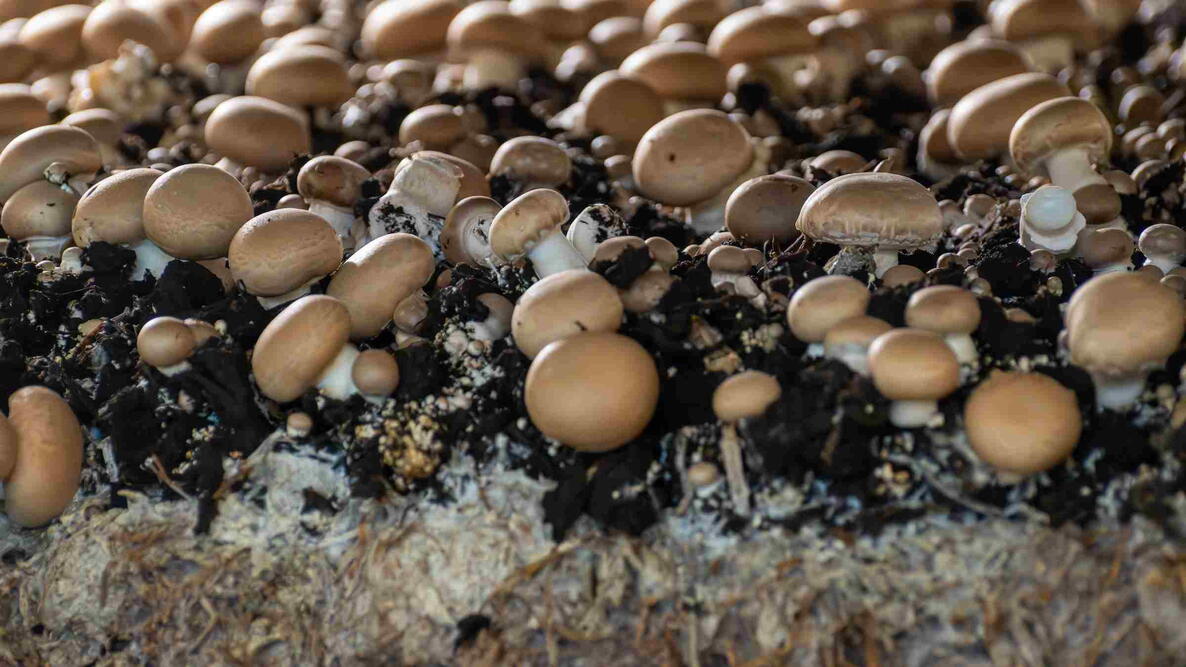

Mushroom compost is a fungi-tastic soil booster made from the leftovers of mushroom farming. It’s loaded with nutrients and can help improve soil structure and pH—but it’s not a match for every plant. Dig into this guide to learn the ups and downs, how to spread the goodness, and which plants thrive (or dive) in mushroom compost.
This natural mulch is becoming increasingly popular for growing ornamentals and edible crops. Below, you’ll find a basic rundown of the pros and cons of using mushroom compost, tips for sourcing and applying it, and a list of plants that you should and shouldn’t grow in mushroom compost.
What is Mushroom Compost?
Also known as spent mushroom compost (SMC) or spent mushroom substrate (SMS), mushroom compost is a byproduct left over from the edible mushroom industry. But it doesn’t contain any mushrooms!
Instead, mushroom compost is actually the leftover substrate that’s used to grow mushrooms, and it’s usually made from aged chicken or horse manure and/or composted straw, which has been heat-treated, sterilized, and amended with added limestone and sphagnum moss to help mushrooms grow better. However, once large-scale mushroom harvests are completed, all that leftover substrate can go to waste if it’s not repurposed into mushroom compost.
Spent mushroom compost is typically sold in bags or in bulk at garden centers or from soil suppliers. Dark, rich, and earthy, mushroom compost looks a lot like standard compost, and it has a similar use. However, mushroom compost differs from standard compost in a few important ways that can affect how it’s used in the garden and the types of plants you apply it to.

How is Mushroom Compost Different?
If you’ve ever used compost or aged manure in your garden, you should have no problem working with mushroom compost. Mushroom compost has many similarities to both compost and livestock manure, but it has a few differences that make it totally unique too!
Mushroom Compost vs Regular Compost
Standard compost and mushroom compost have a similar look and feel, and they can both contain manure or composted plant material, like rotted straw. These two amendments are filled with nutrients that help plants grow better, and they can improve soil structure and drainage as well. However, mushroom compost has a higher salt content and an alkaline pH, which can be more useful for balancing acidic soil but less suitable for alkaline gardens and plants that aren’t salt-tolerant.
Mushroom Compost vs. Cow Manure
Like compost, cow manure also contains nutrients that plants need, and it can be used to improve soil structure. But fresh cow manure contains a high concentration of nitrogen that can burn plants if it’s not aged or composted before application. Mushroom compost generally does not need further composting, and it can be applied to gardens as-is. But mushroom compost contains less nitrogen than cow manure, which can make it more suitable for growing fruiting or flowering plants but less efficient at boosting the growth of leafy greens.

Mushroom Compost Benefits and Drawbacks
The major difference between mushroom compost and other soil conditioners is that mushroom growers mix limestone and a few other additives into mushroom substrates to improve the growth of mushrooms. This added limestone makes mushroom compost more alkaline and calcium-rich than standard compost, which can benefit certain plants. However, mushroom compost isn’t suitable for every garden!
| Pros: | Cons: |
| Filled with nutrients that plants need, like potassium, phosphorous, calcium, and magnesium. | Contains relatively high levels of salt that may be unsuitable for some plants. |
| Typically has an alkaline pH that can balance acidic soils and reduce plant diseases like clubroot. | May make neutral or alkaline soils overly alkaline. |
| Easy to use, versatile, and budget-friendly if purchased in bulk. | Can be difficult to source. |
| Can reduce weeds and improve soil drainage and water retention in sandy or heavy clay soils. | May cause drainage problems if not mixed with soil or other amendments. |
| Calcium content may prevent issues like blossom end rot. | Not suitable for acid-loving plants. |
Why Should You Use Mushroom Compost?
Whether or not you use mushroom compost is a matter of personal choice, but it can be a smart decision for certain gardens. For starters, mushroom compost is budget-friendly when purchased in bulk. But it’s also easy to apply and can be used as weed-suppressing mulch or soil conditioner to fix a number of gardening woes!
Whether you have heavy clay or overly sandy soil, mushroom compost can help aerate dense beds and improve drainage and water retention. However, where mushroom compost really shines is in gardens with nutrient-poor and overly acidic soil. In these spaces, mushroom compost helps to balance pH issues so that plants can absorb nutrients more readily, and it enriches garden beds with organic matter.

How to Use Mushroom Compost in Your Garden
The best time to apply mushroom compost is either before planting a single plant or in spring or summer when plants do most of their growing. You can apply mushroom compost in autumn and winter, too. However, applying this product when plants aren’t actively growing can lead to some nutrient loss and make mushroom compost a little less effective.
Depending on your gardening goals, you can use mushroom compost in a few different ways. But first, you’ll want to pick out and discard any large pieces of limestone that you find in the compost to reduce some of the compost’s alkalinity. If the compost was gathered fresh from mushroom growers, you may also want to set it aside to rest or cure for a few weeks in an out-of-the-way corner of your garden. However, this isn’t necessary if you purchased bagged compost or bulk deliveries from landscaping companies.
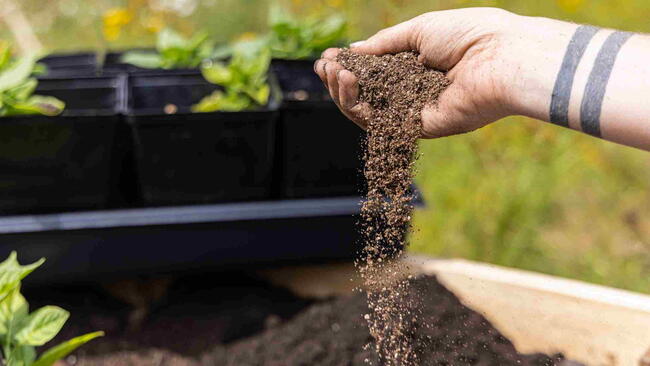
If you’re starting a new garden, you can use mushroom compost to enrich your beds or correct soil issues by applying a 2-inch layer of compost and then working it into the top few inches of soil. If you grow plants in containers, you can also use mushroom compost to enrich potting mixes by blending about 1 part mushroom compost with 3 parts potting soil.
If you already have vegetables, fruit, or flowering plants growing in your garden, you can still apply mushroom compost either as a soil conditioner or natural mulch. Spread 2 inches of mushroom compost over your beds or around the base of your plants. You can either work the compost into the soil with a shovel or rake or leave it as-is and allow earthworms and rainfall to do the mixing for you. Just be sure to keep the mushroom compost at least 1 to 2 inches away from plant stems, as applying mulch or compost directly against plant tissue can cause rot.
Precautions and Considerations
Although mushroom compost has a number of perks, it’s not a standalone growing medium and needs to be mixed with soil or another substrate before use. Growing plants in unmixed mushroom compost can lead to poor root development, drainage issues, and other problems.
Due to its higher-than-average salt content, mushroom compost is not ideal for starting seeds or seedlings and should be used in moderation in containers. If you’re growing an organic garden, take note that mushroom compost isn’t always approved for organic gardening. However, if you ask around and do your research, you can likely track down mushroom compost from organic mushroom growers that’s safe to use in organic gardens!

Plants That Don’t Like Mushroom Compost
Mushroom compost is beneficial to many plants, including calcium-loving nightshades, as well as roses, petunias, and dahlias. It can also be particularly beneficial to brassica vegetables that may develop clubroot in overly acidic soils. That said, mushroom compost isn’t ideal for every garden, and you may want to avoid using it if you’re growing the following plants.
Highly salt-sensitive plants, like:
- Some orchids
- Ferns
Acid-loving plants, like:
- Rhododendrons
- Azaleas
- Blueberries
- Heaths and heathers
- Citrus
- Camellias
- Some hydrangeas
- Some fruiting plants, like currants, raspberries, and cranberries
What Plants Should I Use Mushroom Compost With?
| Vegetable | Likes Mushroom Compost? | Notes |
|---|---|---|
| Tomatoes | ✅ Yes | Helps retain moisture and adds calcium — great for preventing blossom end rot. |
| Peppers | ✅ Yes | Thrive with improved drainage and nutrients from compost. |
| Cucumbers | ✅ Yes | Enjoys the organic matter; mix lightly into soil. |
| Squash (Zucchini, Pumpkin) | ✅ Yes | Benefits from the nutrients and moisture retention. |
| Corn | ✅ Yes | Heavy feeder — mushroom compost provides a good nutrient boost. |
| Lettuce & Leafy Greens | ⚠️ Lightly | Small amounts help, but too much can make soil too rich or alkaline. |
| Spinach | ❌ No | Prefers neutral to slightly acidic soil; mushroom compost is often too alkaline. |
| Carrots | ❌ No | Compost can cause forked roots; best in looser, sandier soil. |
| Beets | ⚠️ Caution | Can tolerate a little, but excessive compost raises soil pH too much. |
| Radishes | ⚠️ Caution | Use in moderation to avoid excess nitrogen (which promotes leaves, not roots). |
| Potatoes | ❌ No | High lime content in mushroom compost increases risk of scab. |
| Onions & Garlic | ⚠️ Lightly | Tolerate small amounts but prefer leaner, well-drained soil. |
| Beans & Peas | ⚠️ Caution | Can grow in it, but prefer less rich, neutral soil. |
| Broccoli, Cabbage, Kale (Brassicas) | ✅ Yes | Love the extra calcium and nutrients — great pairing! |

More Like This

Comments