Caption
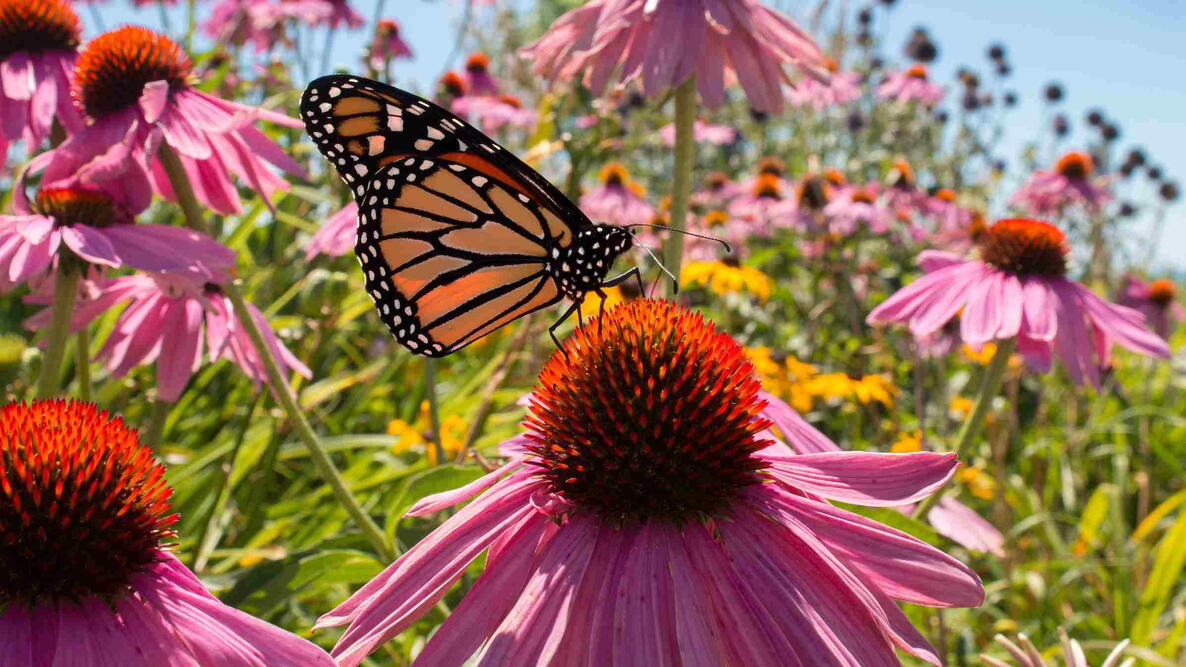
Monarch butterfly sips nectar from pink coneflowers blooming in pollinator garden.

Planting wildflower seeds is one of my favorite ways to add bursts of color and attract pollinators to my garden—or even transform a larger yard into a blooming meadow. The first time I tried it, I had no idea what I was doing—but after a little trial and error, I discovered the right way to grow wildflowers that truly thrive. In this guide, I’ll walk you step by step through planting, caring for, and enjoying wildflowers from seed to first bloom—whether you’re creating a small flower bed or a sweeping meadow—so your outdoor space flourishes season after season.
Step 1: Planning Your Wildflower Garden
Before you scatter a single seed, take a moment to plan your planting. Doing some prep work ahead of time can help you avoid common pitfalls and ensure you choose the right plants and growing location—whether it’s a cozy garden corner or a large backyard meadow.


When to Plant Wildflower Seeds
Wildflowers and native plants aren’t your average garden flowers—they have different requirements from fast-growing annuals like zinnias or marigolds. In general, wildflowers take longer to grow, and seeds from cold regions may need cold stratification—a mini winter in your fridge—before planting indoors in mid-spring.
- Warm climates: Plant outdoors in early to mid-spring, or sow in autumn for an earlier bloom.
- Cold climates: Use cold stratification indoors, or plant in late fall to let winter handle it naturally. Indoor-started wildflowers may not bloom the first year, but they’ll be ready to thrive once transplanted outdoors.
Where to Plant Wildflower Seeds
Most wildflowers prefer full sun (6–8 hours daily), but many varieties grow well in partial or even full shade. Match your sunlight to the types of plants you choose.
Soil: Wildflowers are hardy and don’t need rich soil. Avoid over-fertilizing, which can cause floppy stems.
Space: Flower beds should allow enough room for spacing, but you can also plant in larger areas—like a wildflower lawn or a backyard meadow.
Where to Plant Wildflower Seeds
- Most wildflowers love full sun (6–8 hours daily), but there are plenty of varieties that thrive in partial shade or even full shade locations. Be careful to match the hours of sunlight to the types of plants you’d like to grow.
- Also, choose a spot with well-draining soil and room to grow. Remove weeds and rocks from the area. Otherwise, one of the best things about wildflowers is that these hardy plants can grow in relatively poor soil. So don’t feel like you need to do a lot of soil improvement before planting wildflowers. In fact, these plants can develop floppy stems in overly rich earth!
- Check the spacing for each type of plant. Flower beds should be large enough to accommodate the spacing needs of your plants, but you can also grow wildflowers in larger spaces—like in your yard or in a dedicated meadow.

Choosing the Right Seeds
- I always pick native varieties when possible—they’re naturally adapted to my climate, low-maintenance, and great for local pollinators. They should be able to get by on rainfall alone once they’re established. See some common wildflowers by region and find your state wildflower!
- For year-round color, mix plants with different bloom times, so your garden looks lively all season. Picking a few plants that bloom in spring, summer, and fall will ensure your garden looks inviting no matter the season. It’s also a good idea to select plants with similar light, watering, and care needs.
For larger-scale plantings, such as lawn conversions and homemade meadows, try to find wildflower seed blends that are specific to your growing region. These seeds are often sold in bulk and include a variety of native wildflowers that are known to grow well together!
Purchasing Wildflower Seeds
Wildflower seeds are often sold in small seed packets, but you can purchase them in bulk if you’re planting a wildflower meadow or lawn. For these larger projects, plan to purchase about ½ pound of wildflower seeds for every 1,000 square feet of growing space. Like vegetable seeds, wildflower seeds can often be purchased at garden centers and livestock feed stores, but they can also be ordered online or from specialty seed catalogs.
Step 2: Preparing Your Garden for Wildflower Seeds
Proper prep makes all the difference. Think of it as rolling out the welcome mat for your seeds. You can either do this prep work in spring, or in fall while the soil is still workable and plant your seeds once the ground freezes solid.
- Before you start, you may want to conduct a soil test to see if your soil is lacking. Soil testing is less important for wildflowers than vegetables since wildflower plants are generally more adaptable and don’t need as many soil nutrients. However, a soil test can give you a good baseline understanding of where your garden is at and let you know if you need to add anything specific to your soil.
- Next, remove weeds or grass from the area by tilling, or mow existing plants low to the ground and leave tarps or cardboard over the soil for a few weeks to smother any remaining grass or weeds.
- Then, loosen the soil: Wildflowers don’t need rich soil, but they do like a little aeration. A rake or hoe works perfectly. Smooth and level the planting spot as best as you can.
- If you want, this is a great time to work some compost or aged manure into your soil, but don’t overdo it by adding lots of fertilizer, as wildflowers can develop weak stems in rich soil.
Step 3: How to Plant Wildflower Seeds
There are a few ways to sow seeds, depending on your climate and patience level:
Outdoor sowing is the best option if you live in a warm climate and are growing plants that don’t need cold stratification. It’s also ideal if you’re growing large plantings of wildflowers in a lawn or meadow, or if you want fall-planted seeds to naturally cold stratify outdoors in winter.
- Scatter seeds by hand over the prepared soil and lightly cover them with a dusting of soil or straw. Don’t bury the seeds deeply. Most wildflowers need light to sprout!
- If you’re sowing large plantings of seeds, mix 1 part seed with 4 parts dry, fine-grained sand. Then, place this mixture in a broadcast spreader and apply it in a grid-like pattern over your planting area by walking in a north-to-south direction followed by an east-to-west direction. Seeds that need cold stratification can be stratified in bags of sand in the fridge before planting too!
- After planting, water the seeds in and continue to keep them well-watered until they sprout. If you’re sowing seeds in late fall, water the seeds just once after planting and don’t water them again until they sprout in spring.

Indoor sowing is recommended for fussy wildflowers that have a hard time sprouting outdoors. It can also allow you to start wildflowers earlier and increase the likelihood that they’ll bloom during their first growth season. You can also use this planting method for wildflowers that don’t need stratification or cold-hardy seeds that you’ve already stratified.
- Fill pots or seedling cells with pre-moistened seed starting mix. Plant about 2 to 3 seeds per planting cell and larger quantities of seeds if you’re working with bigger pots or trays.
- Lightly scatter the seeds on top of the seed starter and just barely cover the seeds with soil. Not too deep! Wildflower seeds usually need light to germinate, and they won’t sprout if you bury them deep.
- Keep under grow lights and water well.
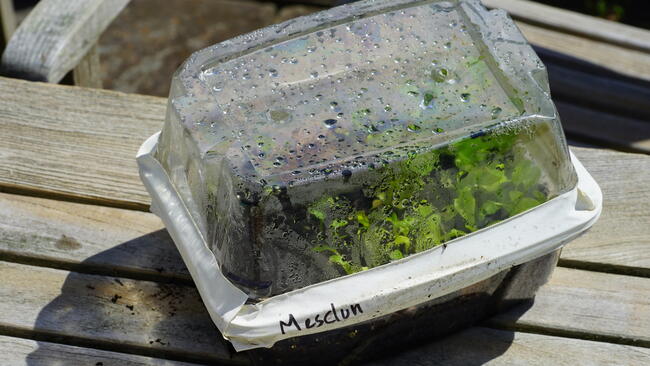
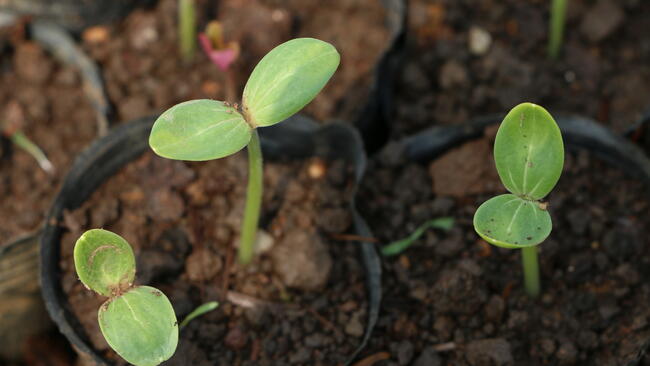
- Once the seedlings sprout, thin out the weakest seedlings to give the remaining plants more room to grow. If you’re using humidity domes, remove them after germination.
- Continue to care for your plants until they can be transplanted outdoors. You’ll know it’s time when the seedlings have sturdy stems and several leaves, and the risk of frost has passed.
- To transplant, harden seedlings off for 1 to 2 weeks and then plant them in outdoor pots or garden beds that receive enough light for the specific plant’s needs. Plant seedlings as deep as they were growing in their indoor pots or trays, and water well when you’re done!

Cold stratification: This step helps plants that are native to cold areas sprout better, but it’s not needed for wildflowers that are native to warm regions. Stratifying takes a few weeks, so you’ll need to start stratifying seeds several weeks before the “recommended planting dates” on seed packets.
- For small quantities of seeds. Scatter seeds on a damp paper towel, fold the towel over, and tuck it inside a Ziploc bag Label and date the Ziploc bag and place it in your fridge for a few weeks to stratify before planting.
- For large quantities of seed. Mix 1 part seed with 4 parts damp sand and store it in a labeled and dated plastic bag in your fridge for several weeks before planting. Most wildflower seeds need to be stratified for 3 to 4 weeks, but this can vary.
How Deep to Plant Wildflower Seeds
Most wildflower seeds will only sprout if they’re exposed to light, which is why it’s critical that you don’t bury seeds too deep when planting. Wildflower seeds will usually sprout just fine if you just scatter them across the soil and leave them as-is. You can also cover the seeds lightly with up to 1/8 inch of soil or straw; however, deeper coverings are not recommended!
Step 4: Watering and Caring for Wildflowers
Wildflowers don’t need as much maintenance as your average garden plant, but they still need some attention from time to time. For the most part, wildflowers will need more care when they’re first getting established in the garden. But you can taper off watering as your plants settle in!
Watering
Yes, wildflowers need to be watered. Keep the soil consistently moist until seedlings sprout. Then water regularly throughout the first growing season.
Once established, many native wildflowers thrive on rainfall alone, while water-loving varieties may need occasional watering. How much water plants will need will vary depending on the types of wildflowers you’re growing, so it’s important to do a bit of research.
- Water-loving plants, like cardinal flowers, will need regular watering if you don’t grow them in consistently moist flower beds.
- Drought-tolerant plants like coneflowers will usually only need to be watered while they’re establishing.
Mulching
To avoid issues, like powdery mildew, do your best to water wildflower plants at the soil line and keep their leaves dry. A thin layer of straw can help retain moisture and keep weeds down. Learn how to mulch with straw in the garden.
Caring for Wildflowers: Fertilizer, Pests, and Pruning
Most wildflowers are low-maintenance by nature—they rarely need fertilizer and are resistant to pests. That’s one of the joys of growing them! Plus, they play an important role in your garden ecosystem. Many pollinators—bees, butterflies, and even hummingbirds—visit wildflowers when they’re in bloom. Using pesticides can unintentionally harm these helpful visitors, so it’s best to avoid chemical treatments whenever possible. (Learn more from the Xerces Society.)
Even hardy wildflowers sometimes benefit from a little extra attention:
- Pruning and dividing: Some perennial wildflowers can get crowded or start to flop over after a few years. Lightly pruning stems or dividing clumps every couple of years can encourage healthier growth and more blooms. Think of it as giving your wildflowers a little haircut—they’ll thank you with stronger stems and brighter flowers!
- End-of-season mowing or cutting: For larger plantings, such as wildflower meadows or lawns, mowing in autumn can prevent woody plants, brambles, and aggressive grasses from taking over. This is also a great time for cutting back species like wild chamomile and yarrow. Leave a few inches of stem if possible; it protects soil, allows seeds to drop, and provides habitat for overwintering insects.
- Timing matters: Avoid mowing or cutting wildflowers in spring or summer. This is when many plants are flowering, and animals—especially ground-nesting bees, birds, and other pollinators—may be using your wildflowers as homes. Waiting until autumn ensures you’re not disrupting wildlife while still keeping your garden healthy.
By combining minimal intervention with thoughtful pruning and end-of-season mowing, you can keep your wildflowers looking vibrant year after year while supporting the pollinators and beneficial insects that make your garden thrive.

Step 5: How Long Wildflowers Take to Grow
Germination: Most seeds sprout in a few weeks! They can be transplanted about 8 to 12 weeks later if you started your seeds indoors.
First blooms: Patience is key! Some wildflowers flower in their first year, but others (like milkweed) may take until the second year.
Pro tip: For earlier blooms, plant in fall or use nursery starts for a head start.
Step 6: Common Wildflower Seed Planting Problems & Solutions
Although wildflowers and native plants are usually pretty easygoing, you may still run into a few problems when starting wildflowers from seed. Even seasoned gardeners hit a snag sometimes. Here’s what I’ve learned:
- Planting in the wrong spot. If your wildflowers are showing signs of sun damage or just not growing well, they may need to be transplanted to a new growing spot. Transplanting wildflowers while they’re still young and watering thoroughly after replanting can help reduce the risk of transplant shock.
- Seeds not sprouting: Wildflower seeds may not sprout if they’re buried too deeply or if the seeds were old to begin with. If this occurs, start over by planting new seeds in fresh seed starting mix.
- Damping off. Seedlings that develop sickly, thread-like stems or collapse suddenly may be suffering from damping off. This fungal disease thrives in indoor grow rooms with poor airflow, but it can be prevented by removing seedling domes after sprouting and adding a small fan to your setup! Learn more about damping off.
- Pests. Garden pests will sometimes gobble up plant seeds before they sprout or eat seedlings while they’re still young and tender. Starting seeds indoors or in upcycled milk jug greenhouses can prevent this.
- Weeds taking over: Keep young seedlings weed-free until strong enough to compete. Hand-pull weeds regularly until your wildflowers are strong enough to take over.
FAQ About Seeding Wildflowers
How deep should I plant wildflower seeds?
Most wildflower seeds only need light to germinate, so scatter them on the soil surface and cover lightly with up to 1/8 inch of soil or straw. Avoid burying them deeply.
Can I plant wildflowers in partial shade?
Yes! Many wildflowers thrive in partial shade, though most prefer full sun (6–8 hours daily). Choose varieties suited to your light conditions.
Do wildflowers need fertilizer?
No. Wildflowers generally do not require fertilizer, and overly rich soil can lead to weak, floppy stems.
How often should I water wildflowers?
Water seedlings regularly until established. Once mature, drought-tolerant wildflowers often thrive on rainfall alone, while water-loving varieties may need occasional supplemental watering.
How long will it take for wildflowers to bloom?
Some wildflowers bloom in the first year, but many (like milkweed) will produce leaves initially and flower in their second year. For quicker blooms, consider fall sowing or nursery starts.
Enjoy Your Wildflower Garden!
Once your wildflowers are established, sit back and enjoy! Watch pollinators visit, notice how colors shift through the season, and take pride knowing you grew it from seed the right way. And yes, sometimes nature has its own sense of humor—expect a few surprises along the way.

More Like This


Comments