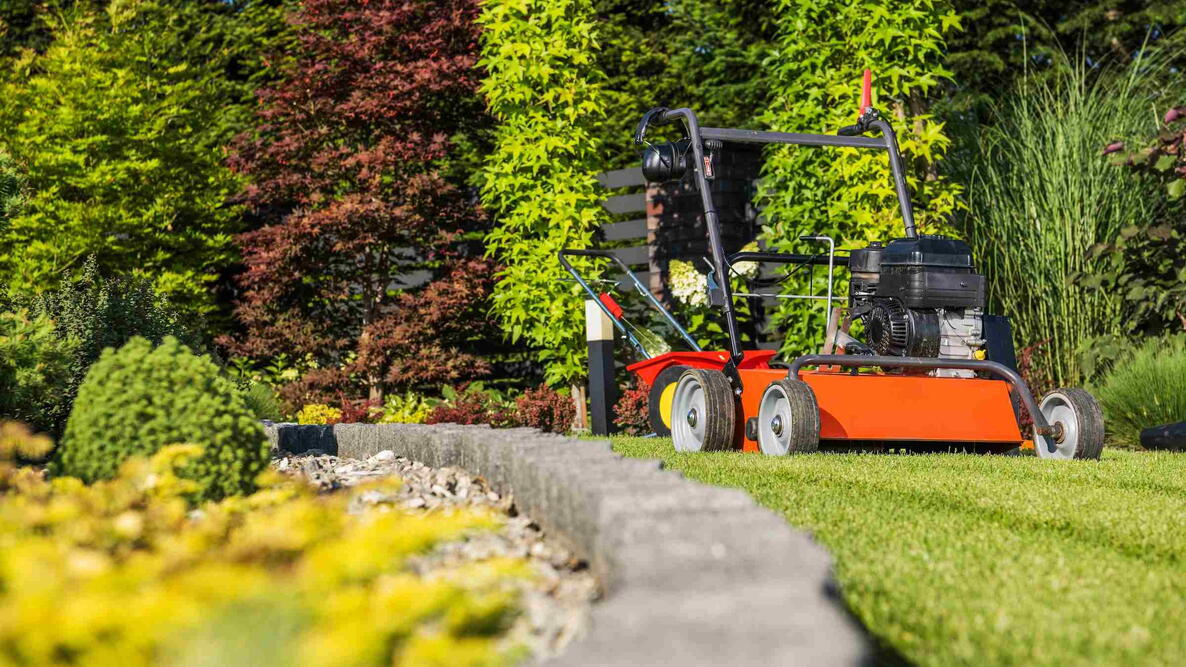

Is your lawn feeling a little under pressure? One of the best-kept secrets is lawn aeration—the process of pulling tiny plugs of soil to help water, nutrients, and oxygen reach grass roots. When soil gets compacted and thatch piles up, your lawn can’t breathe, and growth slows down. Aerating is like giving your yard a breath of fresh air—literally!
In this guide, you’ll learn what lawn aeration is, when to do it, how to do it step-by-step, and how to tell if your yard really needs it—plus the best tools and aftercare tips to keep your grass lush and thriving.
It’s a simple, hands-on project that’ll have your lawn saying, “Thanks for letting me breathe!” in no time. Ready to dig in and get your grass growing strong?

What Is Lawn Aeration (and Why Your Lawn Needs It)
Even though plant roots are underground, they still need oxygen. In a sense, the roots “breathe” (a process called cellular respiration), and without oxygen, the plant may perish. They obtain this oxygen from the atmosphere, and if they can’t get enough, they begin to struggle. You sometimes see this in action when a houseplant is overwatered in its container—the plant starts to wilt and look sickly due to a lack of free oxygen.
Aside from overwatering, a plant can also be deprived of oxygen if the soil around it is overly compressed. It’s easy to see why; normal soil isn’t solid and has plenty of cracks, crannies, and air pockets that let the atmosphere in. But when soil has a lot of foot traffic, dogs running around, kids playing on it, or tire compaction occurs from lawn mowers or other vehicles, the soil compresses, making it difficult for oxygen to penetrate.
And what soil is most likely to suffer from this? The soil in your lawn, of course! Your lawn is the center of backyard fun, but it pays the price in soil compaction. And it’s not only a lack of oxygen that’s a problem—compacted soil prevents water and nutrients from settling into the lawn properly.
There’s also the issue of thatch. You know that when you see it—those tufts of faded, dead grass blades that build up on the ground under your live lawn. Thatch is essentially a thick layer of dried roots, stems, and leaves. Some thatch buildup is just fine, but the University of Wisconsin Extension says once it reaches an inch or more in depth, it can become unsightly, be unhealthy for the lawn, and contribute to issues with powdery mildew.
Proper lawn aeration can help alleviate these issues. It may not be the complete answer, but it can definitely be part of the solution.
When to Aerate a Lawn: Cool-Season vs. Warm-Season Grass
Timing matters when it comes to aeration. The ideal time depends largely on your grass type and local climate.
- Cool-season grasses (like Kentucky bluegrass, perennial ryegrass, and fescues) should be aerated in early fall (September to October) or spring. Fall is often preferred because the cooler weather and increased rainfall help the grass recover quickly and fill in the aeration holes. Avoid aerating in summer when these grasses are stressed by heat.
- Warm-season grasses (such as Bermuda, St. Augustine, Zoysia, and Bahiagrass) do best when aerated from late spring through early summer, during their active growing phase. Avoid aeration during dormancy or extreme heat to prevent additional stress.
Aerating when your lawn is actively growing allows it to recover faster and strengthens root development. Avoid aerating during periods of drought, extreme heat, or dormancy.
For most lawns, once a year is sufficient. If you have heavy clay soil or high foot traffic, twice a year may be beneficial. Some lawns may only need aeration every 2 years. If you haven’t aerated in several years, fall is a great time to help your lawn breathe again.
Signs Your Lawn Needs Aeration
Before you begin, make sure your soil actually needs aeration. Nobody wants to spend time and money needlessly. So, how can you tell if you even need to aerate your lawn? Here are some signs to watch for:
- Pooling and puddles: If water pools on the surface or your lawn feels spongy or hard, it’s probably time. Have you noticed if water that once drained away easily now puddles and pools after a heavy rain? If water lingers where it shouldn’t, especially in a new place, it’s a good indication that the soil is more compacted than it once was. Aeration can help the water seep into the ground properly.
- Dead grass: Thinned out patches, yellow grass—it’s easy to tell when your lawn is looking sickly. If these signs are occurring, it’s possible that a lack of aeration is playing a role.
- Visible traffic patterns: It’s wise to try to avoid packing down the same route time after time, but hey, life happens. It’s easy to see when traffic has compacted the soil, but don’t worry: aeration can help restore it.
- Abundant thatch: Some thatch is natural and can even protect the lawn during the winter, but too much of a good thing is detrimental, and aeration can help break this up, too.
How to Aerate a Lawn: Step-by-Step
1. Choose your tool
A core aerator is the most effective option—it pulls out plugs of soil and thatch, unlike spike aerators, which can compact the soil further. You can rent one from a garden center or equipment rental store. You can try to aerate with a hand tool (which looks like a small pitchfork with an aerator on each tine), but this is arduous and time-consuming.
- Mechanical aerators can range from hand-push models (look kind of like a grass seeder) to motorized self-propelled walk-behind aerators to towable aerators that pull behind your garden tractor (ideal for large properties). Usually, multiple corers are on spinning spools that dig in and quickly core the lawn and leave the plugs behind as the machine rolls.
You can hire a lawn service to aerate your lawn or do it yourself. It might not be worthwhile to purchase a mechanical core aerator only to use it once a year, but you can rent them easily.
Note: There are also “spike”-style aerators that just poke a hole in the ground but don’t pull out a core plug. Generally, these are not considered as effective and may even increase soil compaction.
2. Prepare your lawn
Mow and water your lawn a day or two before you aerate it. Avoid watering on the day you aerate. You may want to wait if it has just rained. Water lightly if the soil is dry. Moist (but not soggy) soil is easiest to aerate.
3. Aerate in multiple directions
Run the aerator over your lawn in one direction, then repeat at a perpendicular angle. This helps ensure even coverage.
4. Leave the plugs
Let the soil plugs break down naturally—they’ll return nutrients to the soil and improve structure over time.
5. Follow up with care
After aerating, it’s a great time to overseed, fertilize, or top-dress with compost. Your lawn will be better able to absorb everything you add. Learn more about when to seed a lawn.
What to Do After Aerating Your Lawn
You might be tempted to rake up the core plugs the aerator tosses. This isn’t necessary and can actually be detrimental. The plugs contain good organic material and will break down after a good watering or rain.
Post-aerating is a good time to do any other lawn maintenance you were planning, like reseeding and fertilizing. Water well, too. All of these tasks should be even more beneficial with a lawn prepared to accept nutrients more easily.
Lawn Aeration FAQ
How often?
- Most lawns: once a year
- Clay or high-traffic lawns: twice a year
DIY or hire a pro?
- Rent a core aerator or use a hand tool
- Or hire a lawn service
Best time to aerate
- Cool-season grasses: early fall or spring
- Warm-season grasses: late spring–early summer
- Avoid extreme heat, drought, or dormancy
Remove the plugs?
- No—let them break down naturally
Thatch issues?
- Aeration helps break up thick thatch and improves soil health
After aerating
Overseed, fertilize, top-dress with compost, and water
Signs your lawn needs aeration
- Pooling water or spongy soil
- Dead or thinning patches
- Traffic patterns in the lawn
- Thick thatch buildup
Bottom line: Aerating your lawn can benefit your lawn’s overall health, and it’s a relatively easy project that you can do with your own or rented equipment. You’ll help ensure your lawn’s continued success for years to come!

More Like This


Comments