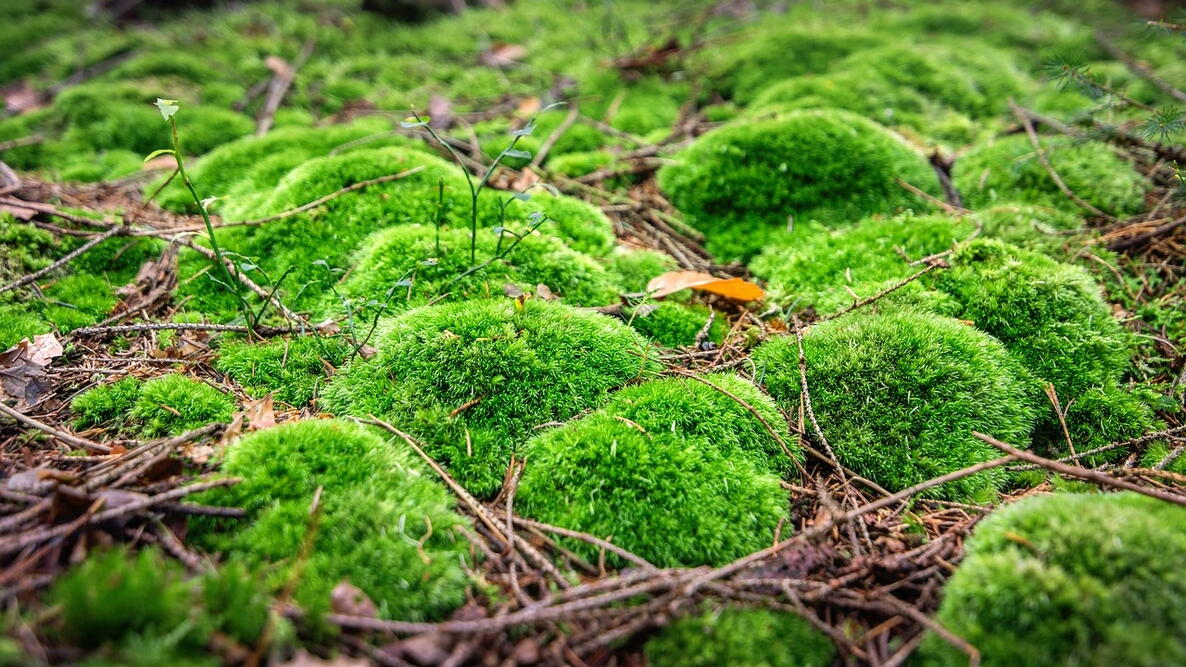

Bring lush green life to shady spaces with a beautiful, low-maintenance moss garden! Moss thrives where grass won’t—on soil, rocks, or logs—and adds natural charm to any landscape. Learn how to plant, grow, and care for moss for an eco-friendly, evergreen touch to your garden.
What Is Moss and Why Grow It?
Known as bryophytes, moss is an ancient plant that has been here for over 450 million years and will probably still be here when humans are long gone. Tougher than they look, there are over 15,000 species of moss worldwide. There are mosses adapted to life in extremes, ranging from cold, snowy mountains to hot, dry deserts, so there is bound to be a moss that is just right for your conditions.
Mosses don’t have roots. Instead, they use tiny hair-like filaments called rhizoids to anchor themselves in place. This enables them to grow on just about anything as long as the conditions are right.
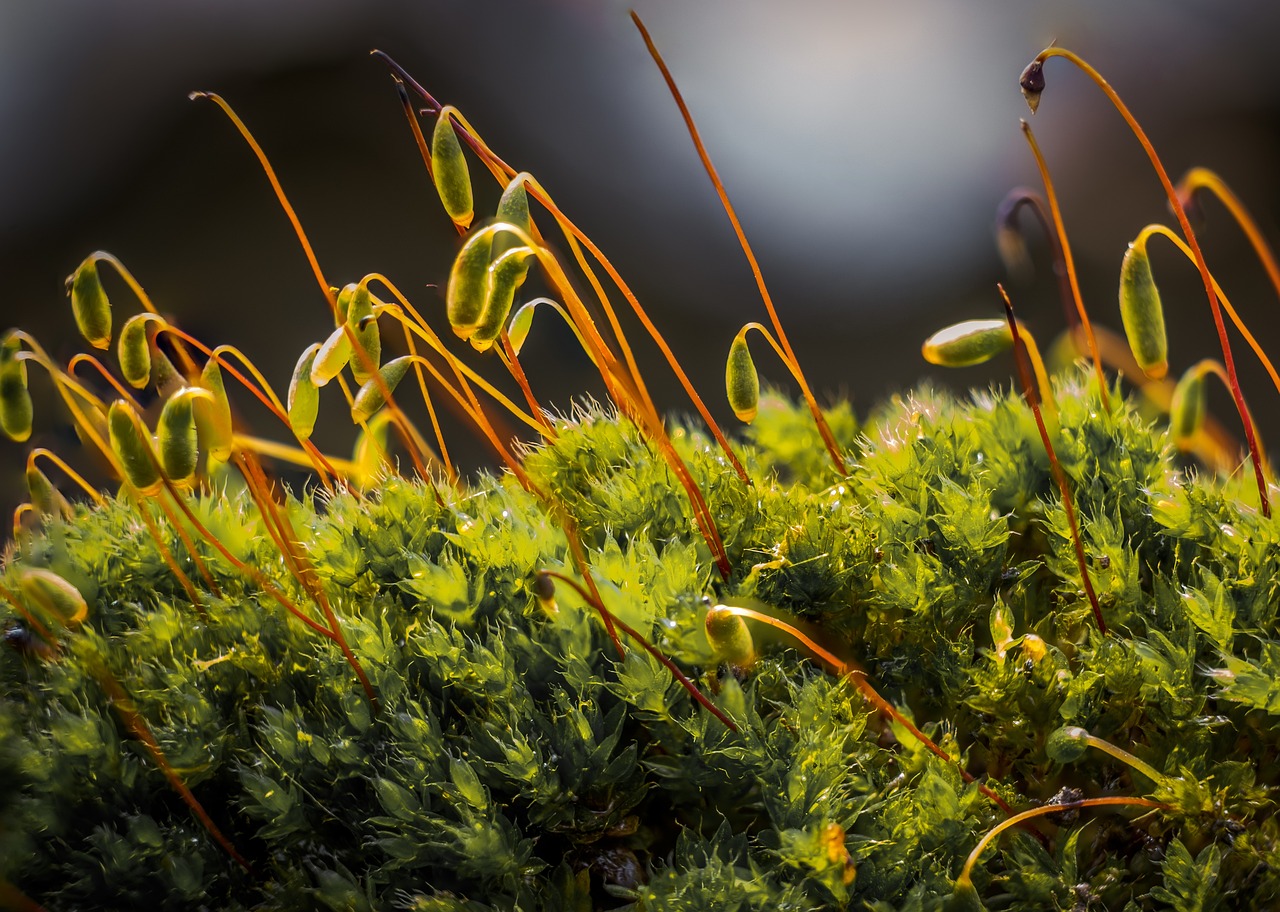
Without roots, mosses have to absorb nutrients and water through their leaves, so the only maintenance they need is light watering or misting to keep them hydrated and the removal of any debris that could smother them.
An eco-friendly choice, no fertilizers, herbicides, or pesticides are needed, and best of all—no mowing! Moss will grow from patches of green and only ask for moisture in return.

Gardeners are discovering that durable, low-maintenance moss can be used in the landscape in many different ways.
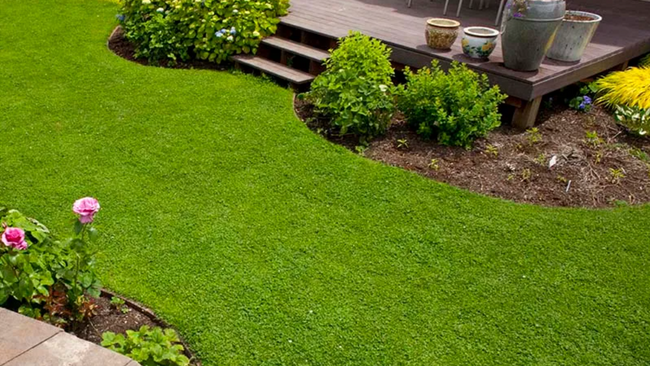
- First, moss solves problem spots in the garden. If there is a shady, moist area in your yard with compact, acidic soil where nothing else will grow, give moss a try. See 12 low-maintenance grass alternatives.
- However, moss isn’t just for areas under trees. As long as there is a place with shade and moisture, moss can grow on anything from rocks to logs to stepping stones. Some moss thrives on slopes and ledges and looks beautiful as naturalistic walls, shelves, and steps.
- Used in Japanese gardens for centuries, mosses also make a great addition to fairy gardens, bonsai displays, and rock gardens. See creative ways to use rocks in the garden.

When Is the Best Time to Plant Moss?
Early spring or late fall are the best times to plant moss. I prefer September through November. Do not plant in the summer months, which are too hot and dry.
Choose a shady, sheltered spot with north or east exposure, not south-facing. Most mosses can tolerate filtered sunlight in the morning or late afternoon, but not during the hottest part of the day.
Once established, some mosses can tolerate drought by going dormant and reviving when rains return.

Where Can You Buy Moss?
Specialty retailers sell moss in sheets or slurries. You can also collect moss (only from your own property or that of a friend, never from the wild) and transplant it directly.
Plant a Moss Garden in 5 Easy Steps
| Step | Action | Tip |
|---|---|---|
| Choose Time | Plant in early spring or late fall | Avoid hot, dry summer months |
| Pick Location | Shady, moist area with acidic soil | North or east-facing is best |
| Prep Soil | Remove weeds, tamp down soil | pH 5.5 ideal |
| Plant Moss | Press pieces firmly into soil | 1-inch spacing |
| Water | Mist daily for 2–3 weeks | Water in the evening |
How Do You Start a Moss Garden?
- Eliminate the competition. Mosses don’t compete well, so pull out any weeds in the area to give them a clean soil surface.
- Test your soil. Mosses love acidic conditions and do best with a soil pH of 5.5. They won’t survive a pH higher than 6.5. If your soil isn’t acidic enough, add sulfur to lower the pH.
- Tamp down the soil. Moss likes a firm base.
- Gently scratch the planting area with a rake, and spray the planting area until it is damp.
- It couldn’t be easier to “plant.” No holes to dig. Just lay down pieces the size of a nickel and and press firmly into the soil to make good soil contact, eliminate air pockets, and help the rhizoids get attached.
- Space pieces about an inch apart. The patches will fill in with moss within weeks.
- Or, use the slurry method. Blend moss pieces with water or an acidic liquid such as beer, yogurt, or buttermilk, and spread like a paste across the desired areas. This technique works great on rocks or clay pots and stone statuary.
If you are patient, prepare the ground and wait for spores to naturally accumulate and grow.

How Do You Care for Moss Once It’s Planted?
- Get established. Mist the newly planted moss patches twice a day for the first 3 weeks unless rain is plentiful. You can use a spray bottle or the mister set on the hose.
- Continue misting as needed throughout the growing season to keep the moss slightly damp. It’s best to water if it hasn’t rained in a few days.
- Do not step on your moss until it’s established. Try to keep any sticks or debris off the moss.
Note: Never water moss with a sprinkler throughout the day. Moss folds up its foliage during the day, and you’ll end up browning it out. Water in the evening.
Mosses host a wide variety of beneficials, frogs, and salamanders.

Moss adds both architectural beauty and the serenity of nature’s green.

Not only can moss add different textures and shades of green to a woodland landscape, but it also performs well in the city, where tall buildings cast deep shade and soil is poor and compacted.
Green up your yard with a tapestry made of mosses!

Comments