Poinsettias are everywhere during the holiday season, adorning homes, offices, and festive displays. But if you’re a pet owner, you might have heard the scary rumor that these bright, cheerful plants are deadly to cats, dogs, or even children. The truth? Poinsettias (Euphorbia pulcherrima) are only mildly toxic and rarely cause serious harm. In this guide, we’ll clear up the myths, explain the real risks, and give practical tips for keeping your pets and family safe this season.
Are Poinsettias Poisonous to Pets?
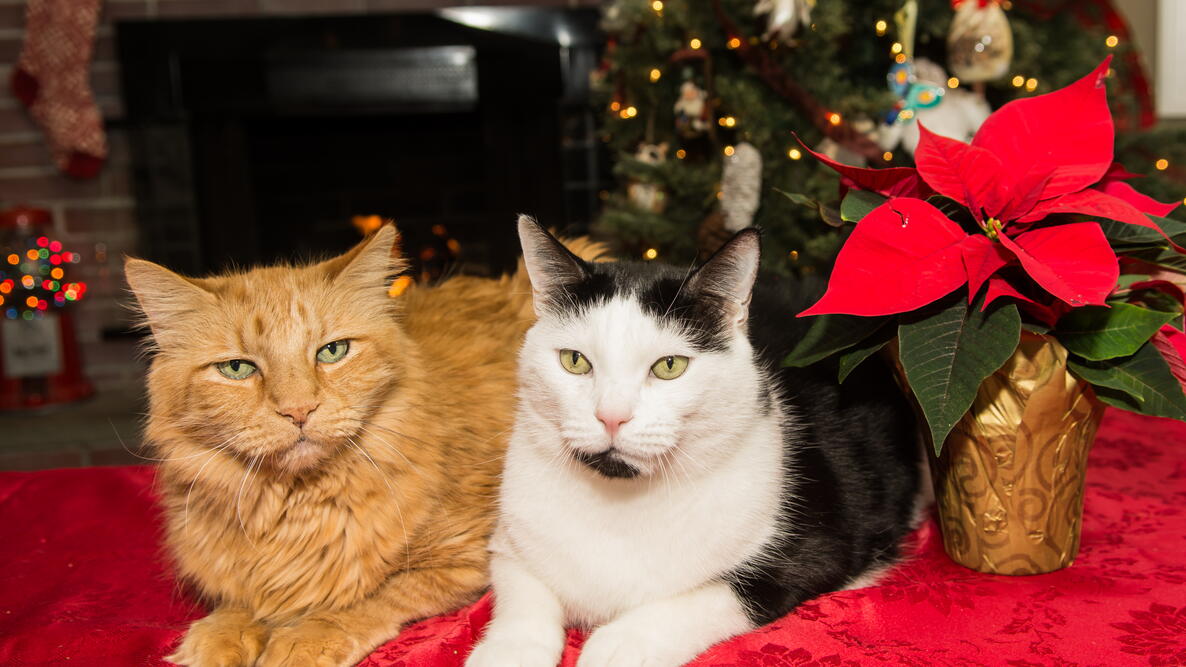
While sometimes hyped up as deadly poisonous plants, poinsettia (Euphorbia pulcherrima) plants are only mildly toxic to cats and dogs.
Poinsettias are members of the genus Euphorbia, which includes many plants known for a white, milky latex sap that contains chemicals called diterpenoid euphorbol esters and saponin-like detergents. When animals ingest poinsettia leaves, they may show mild signs of drooling and mild vomiting. Skin irritation can occur from the white milky sap, too. In general, medical treatment is rarely needed.
This is NOT to say that you should go feeding your cats and dogs poinsettia leaves daily, but rather that if Fluffy takes one bite out of a leaf, you shouldn’t feel the need to rush her to the nearest veterinarian ER!
Are Poinsettias Poisonous to Humans?
What about people? Thanks to an urban legend that began circulating in the early 1900s, it’s commonly believed that poinsettia leaves are toxic enough to kill a small child. Years ago, researchers at Ohio State University fed huge quantities of poinsettia parts to rats, and no ill effects were seen. A 50-pound child would have to eat 500 leaves to replicate their test. (That said, people with latex allergies can be sensitive to the milky sap and should be careful when handling the plants to avoid a rash.)
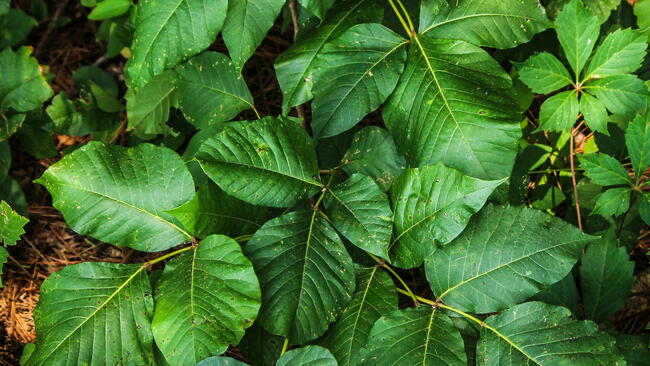
Still, it’s best not to have animals or children eating plants since the sap can cause a mildly upset tummy and skin irritation. Keep plants out of reach, but don’t treat them like poison ivy.
Fortunately, poinsettia leaves have such an awful taste that animals and children will likely have difficulty eating large amounts of them!
Similarly, holly and mistletoe are toxic to children and pets. They will induce vomiting and diarrhea, and can even be fatal in large quantities.
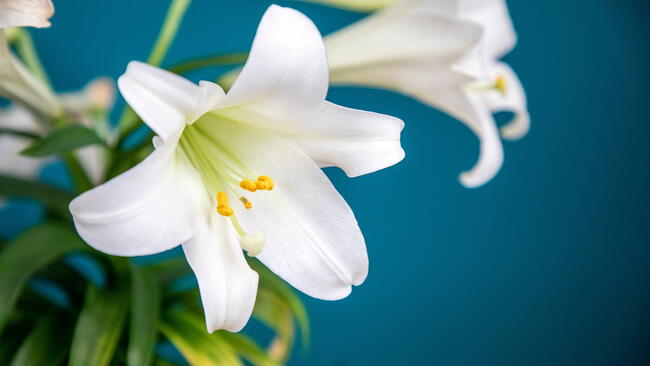
→ See plants that are poisonous to cats.
Frequently Asked Questions
Are poinsettias poisonous to cats?
Poinsettias are only mildly toxic to cats. Ingesting leaves may cause drooling or mild vomiting, but serious medical treatment is rarely needed. Skin contact with the sap can cause mild irritation.
Can dogs eat poinsettias safely?
Like cats, dogs may experience mild upset stomach or drooling if they chew on poinsettia leaves. Serious reactions are uncommon, but it’s best to keep them out of reach.
Are poinsettias dangerous to humans?
Poinsettias are not highly toxic to humans. Children would need to eat a very large quantity (hundreds of leaves) to experience serious effects. People with latex allergies should be cautious, as the sap can cause skin irritation.
What part of the poinsettia is toxic?
The milky white sap contains chemicals called diterpenoid euphorbol esters and saponin-like detergents. These compounds can irritate the mouth, stomach, or skin, but are not fatal in typical household exposure.
How can I protect pets and children from poinsettias?
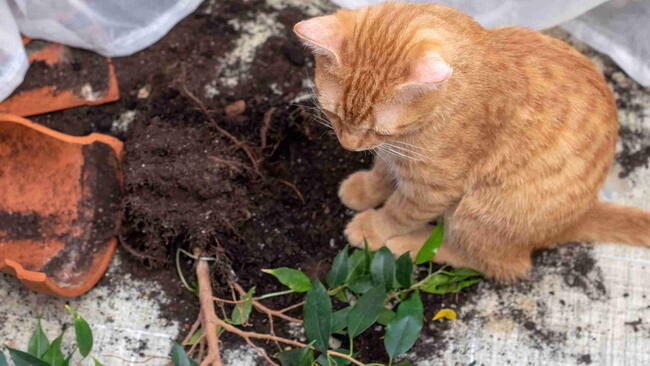
Place poinsettias out of reach on high shelves or tables. Supervise curious pets and children and avoid letting them chew the leaves. Remember, the plant’s taste is unpleasant, which usually discourages large ingestion.
Love your kitty? Find out how old your cat is in human years with our Cat Age Calculator.
Poinsettias are beautiful and iconic holiday plants, and while they contain mildly toxic sap, they are rarely dangerous to pets or people. With a little precaution—placing them out of reach and keeping an eye on curious cats, dogs, and children—you can enjoy their festive color worry-free. If you suspect your pet has eaten part of a poinsettia and shows unusual symptoms, contact your veterinarian for peace of mind. This holiday season, enjoy the vibrant beauty of poinsettias safely and confidently.



Comments