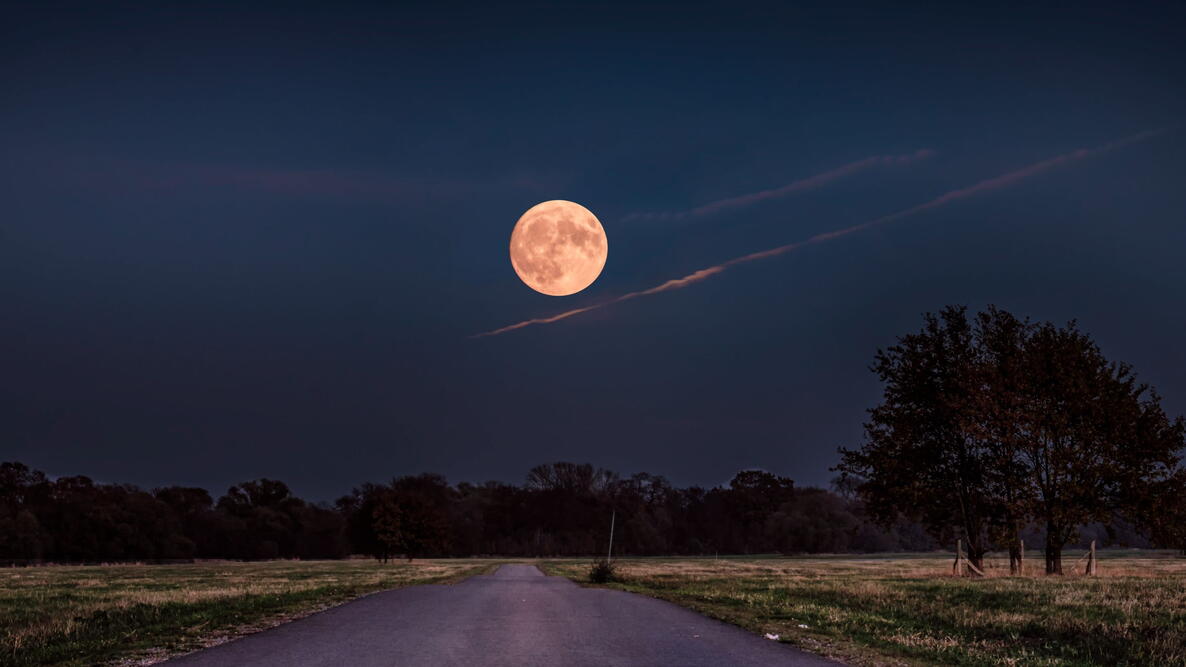

Ready to trade your Netflix binge for a night under the stars? November 2025 has it all: a dazzling Full Beaver Moon, fiery Taurid meteors, and planets putting on their best show. Astronomer Bob Berman highlights the dates you won’t want to miss—so grab your binoculars (or just your sense of wonder) and let’s stargaze!
Sky Watch: Mark These Dates
- On November 1, brilliant Venus is low in the east, next to Virgo’s main star, the famous blue star, Spica. This morning star will disappear from the sky mid-month, with Mercury taking its place in November’s final days.
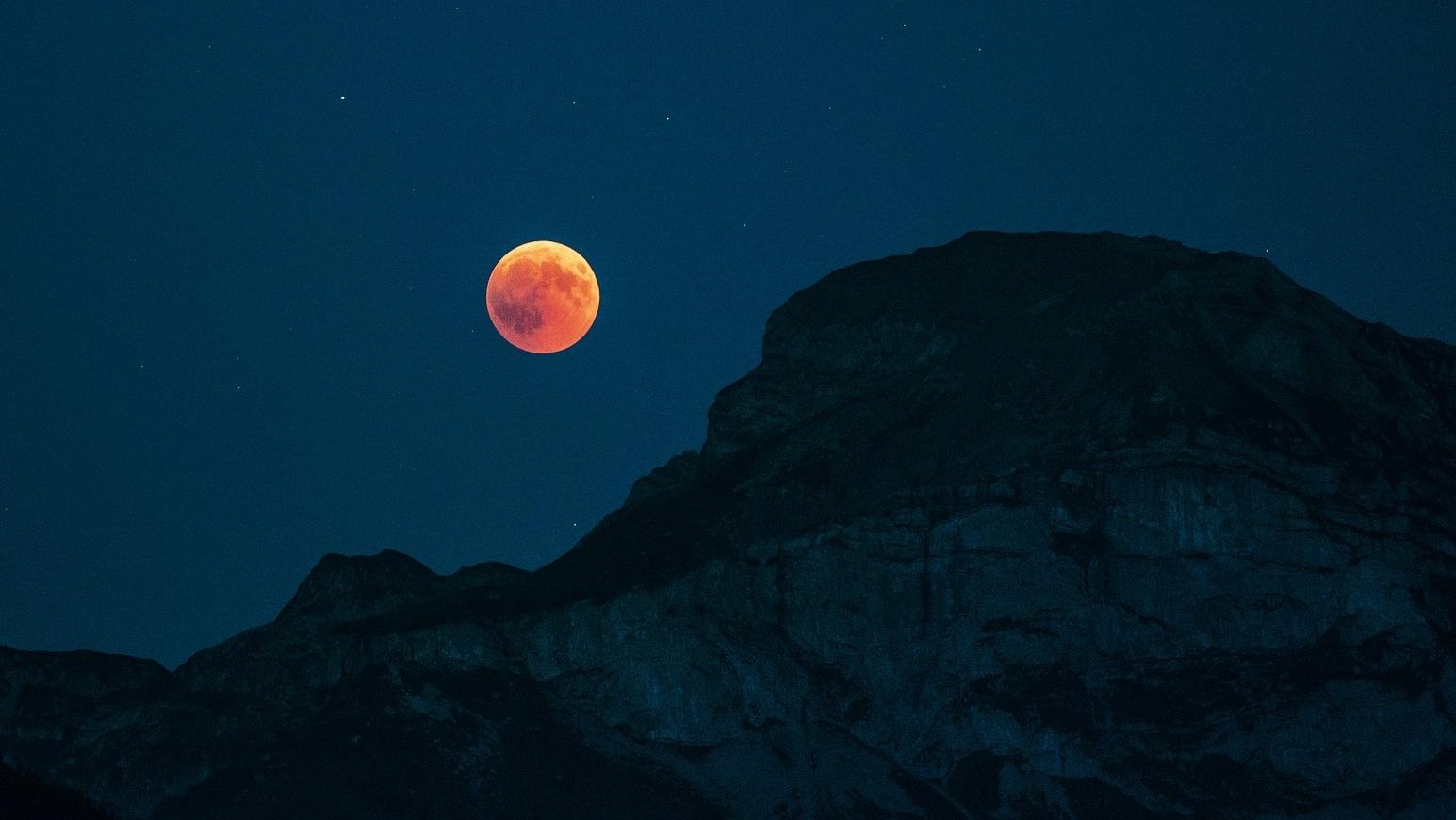
- The Moon’s closest approach of 2025 will occur on November 5. Be sure to look out for the Full Beaver Moon.
- On November 15, Jupiter will rise before 9:00 and will begin its optimal viewing season.
- Uranus reaches opposition on November 21; below the Pleiades star cluster in Taurus at midnight. The Green Planet appears very dim to the naked eye, even from the pristine rural sites. Binoculars will make for easier viewing of the planet’s brightest appearance since the 1990s.
- Saturn stands to the left of the Moon on November 28 and to its lower right on November 29.
See visible planets by your location and their rise and set times.
Full Beaver Moon
On the morning of November 5, 2025, at 8:19 P.M., the Full Moon will reach its peak. This Moon is known as the Beaver Moon because this is the time of year when beavers begin to take shelter in their lodges, having laid up sufficient food stores for the long winter ahead.
Learn more about November’s Full Moon!
Reminder: Daylight Saving Time Ends
Remember to “fall back” to Standard Time on Sunday morning, November 2, 2025, at 2 A.M. EDT. Learn more about Daylight Saving Time.
November Meteor Showers
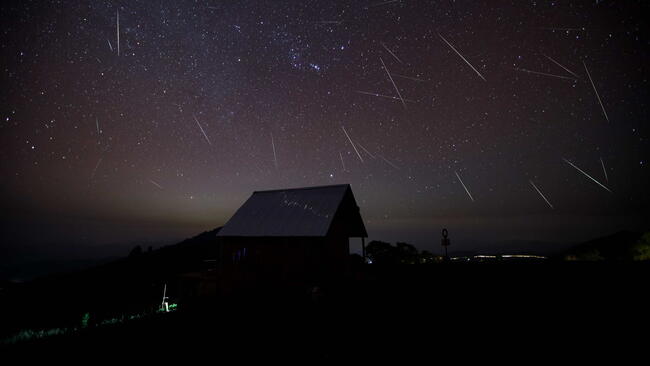
- The “Taurids” peak in the late evenings of November 8–9. There are only a few per hour, but at least they peak in late evening versus predawn like most meteor showers. So, if you’re out camping or outdoors that evening, perhaps you’ll catch a fireball or two! Though few in number, they are known to be exceptionally bright.
- Then, the “Leonids” peak on November 17–18. This moderate meteor shower has about 10 to 15 meteors per hour after midnight. If you are watching for shooting stars, look toward the part of the night sky furthest away from the Moon. See the Moon phase calendar.
For more information, see the meteor shower calendar.
Stargazing in November
Let’s not forget about stars and constellations this month! When you look to the south on November evenings, your view of the sky is dominated by “The Water.” This region of the night sky is full of constellations relating to aquatic life, but our tour of The Water begins with an airborne equine. Learn more and get our free and printable November Star Chart.

More Like This

Comments