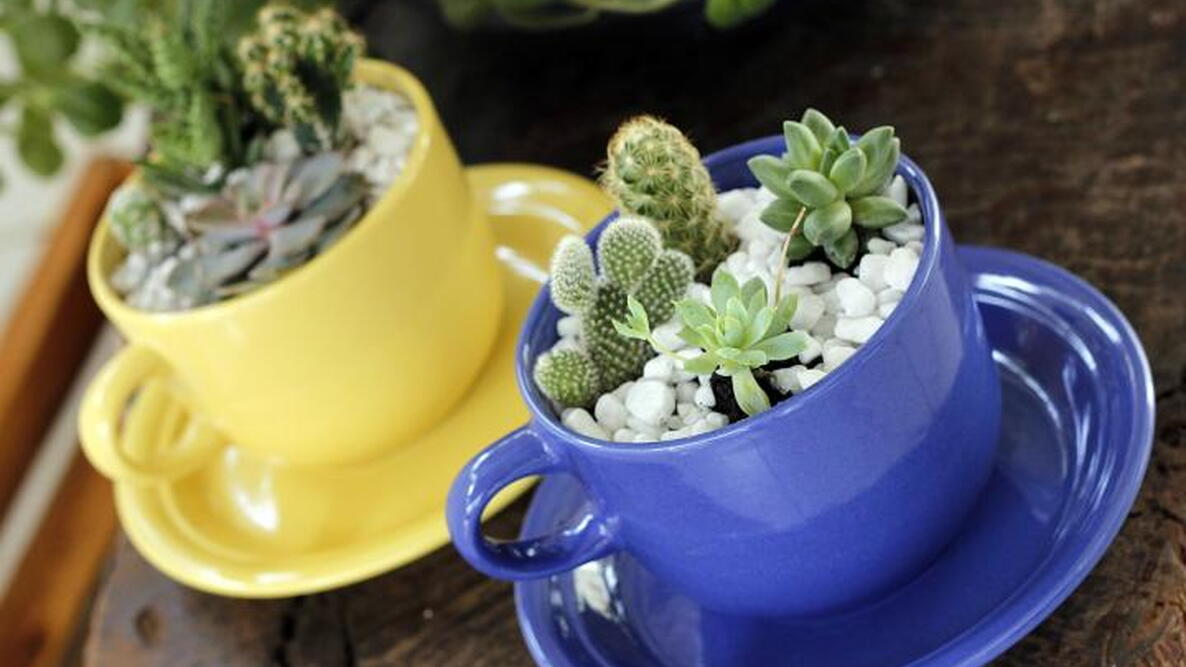

When cold weather rolls in and your indoor air turns desert-dry, most houseplants start to struggle—but succulents absolutely thrive. These tough, water-storing beauties actually prefer warm, sunny windowsills and low humidity, making winter their time to shine.
From jade plants to living stones, succulents come in bizarre, charming, and downright stunning forms—and they’re some of the easiest houseplants you can grow. If you’re looking for low-maintenance greenery that loves a little neglect, here are the best succulents for your home (plus a few delightfully strange varieties you’ll want to add to your collection).
Growing Succulents
Cacti, aloe vera, sedum, kalanchoe, hens and chicks, and jade plants are all considered succulents. Some have thick leaves for storing water; those with no leaves store water in their stems, while others store water underground in their roots. Native to arid regions around the globe, where often the only moisture they receive is in the form of dew, mist, or fog, they have evolved to withstand periods of drought.
As houseplants, they only need a place on a warm sunny windowsill and a bit of water—never more than once a week. Some need even less water in winter if they are dormant. You can go on vacation and not worry about them dying from neglect. They won’t miss you!
Since succulents are about 90% water, they can skip a few waterings without ill effects. Soggy roots are deadly to them, so clay pots are best. Use a fast-draining potting soil like a mix specific for cactuses, or make your own from equal parts potting soil, sharp sand, and perlite. Many succulents have fibrous root systems and prefer a shallow pot to a deeper one.
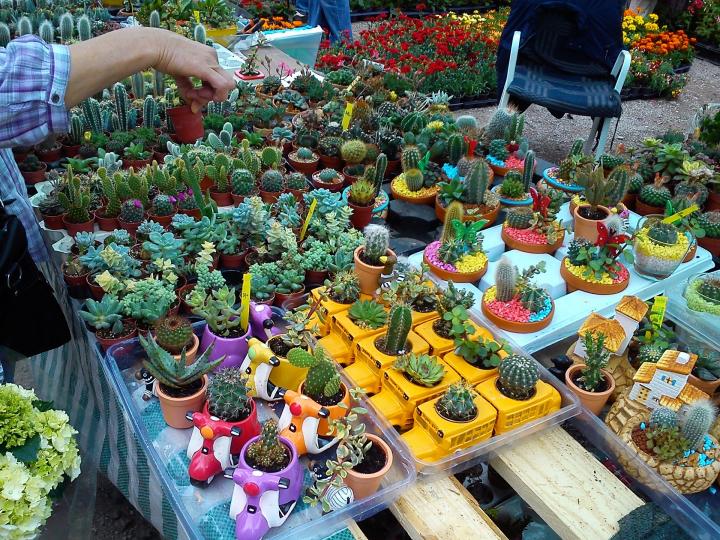
Some of these plants are truly bizarre-looking, while others are quite beautiful. Succulents are a great starter plant for kids who appreciate their weird appearance.
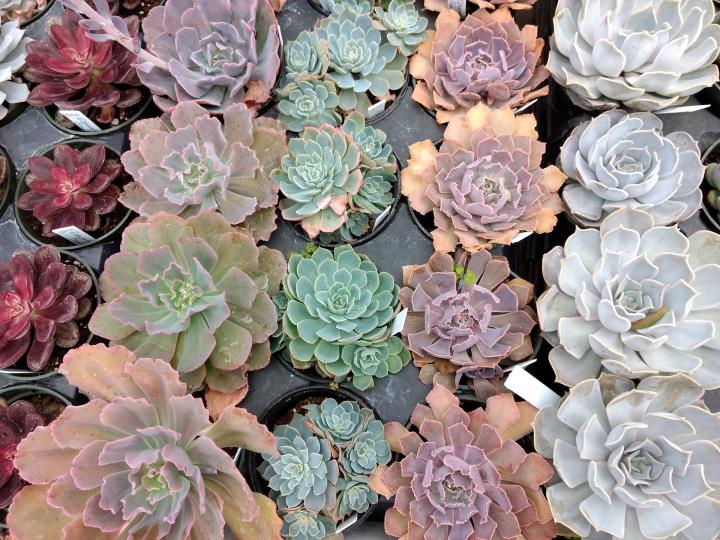
Many succulents are readily available at your local greenhouse or garden center. The big box stores can’t even kill them!
Interesting Succulent Varieties
Here are some interesting succulents to look for:
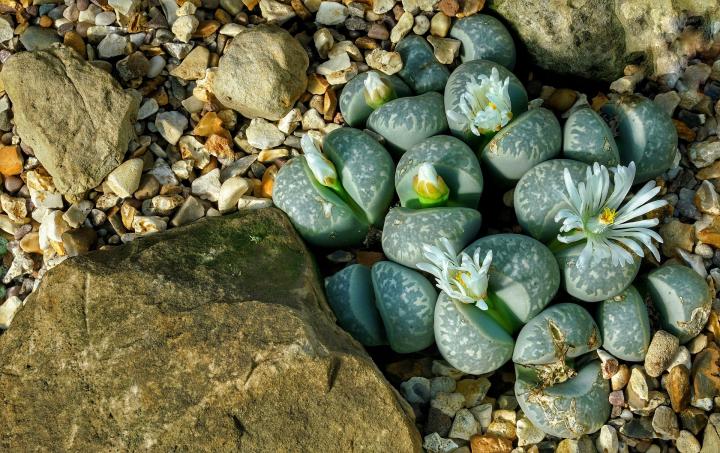
- Lithops give new meaning to the term “pet rock.” Often called “living stones,” they have two fat leaves that are fused together with a slight crack between them. In late summer, a yellow or white daisy-like flower often emerges from the crack. After blossoming, the old leaves will die off, and new ones will take their place.
- Aloinopsis is another rock-like succulent with smooth, rounded leaves. Also known as “ice plants,” they are easy to grow, and their flowers appear in late winter.
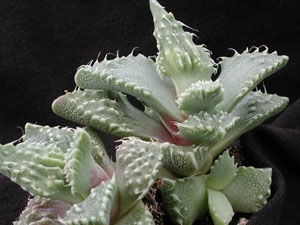
- Faucaria gets its common name, “tiger jaws,” from the white spines along the edges of the leaves. It needs a dry period in winter but will reward you with yellow blossoms in the summer.
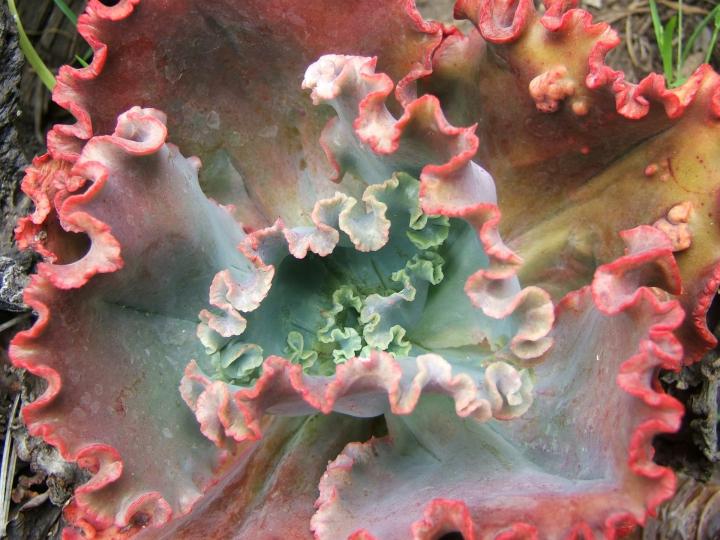
- Echeveria is a large genus of plants, mostly hailing from Mexico. Their rosettes of fleshy leaves resemble the hardy hens and chicks we grow outdoors. They offer various leaf colors from dusty gray to bright green, red, purple, pinkish, blue-green, and even black. They bloom in the summer.
- Senecio is another large genus of plants, but not all of them are succulents. One called “blue fingers” has long, pencil-shaped, silvery leaves. Another called a string of beads has tiny, round leaves growing on long stems—perfect for a hanging basket.
- Trichodiadema grows only 6 inches tall and looks like a little bonsai tree. It has a thick aboveground root with fleshy, gray-green leaves on top. It will produce magenta flowers in the spring and summer.
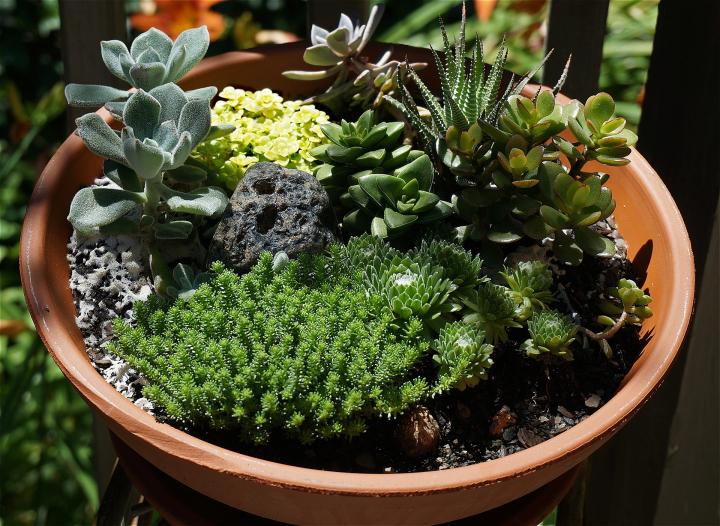
If you can’t decide which one to buy, get several and group them together in a dish garden or strawberry pot. See more unique-looking houseplants!
Frequently Asked Questions
What are the easiest succulents to grow indoors?
Some of the most low-maintenance indoor succulents include jade plants, aloe vera, echeveria, haworthia, and hens and chicks. These varieties tolerate infrequent watering and thrive in bright indoor light.
What’s the best kind of soil for succulents?
Succulents need fast-draining soil to prevent root rot. Use a cactus/succulent mix or make your own with equal parts potting soil, coarse sand, and perlite.
What type of pot is best for succulents?
Clay or terra-cotta pots are ideal because they help wick moisture away from the soil. Always choose a pot with drainage holes to prevent water from pooling at the bottom.
What are some unusual succulents to grow?
Lithops (“living stones”), tiger jaws (Faucaria), blue fingers (Senecio), and Trichodiadema are wonderfully unique options. Many bloom unexpectedly and make great conversation pieces.
Are succulents good for beginners?
Yes! Succulents are some of the most forgiving houseplants. As long as you avoid overwatering, they are extremely easy to grow and perfect for kids and new plant owners.
Succulents are proof that even the toughest conditions can bring out unexpected beauty. With their sculptural shapes, vibrant colors, and almost effortless care requirements, these hardy little plants make the perfect indoor companions—especially during the dry winter months!
More Like This

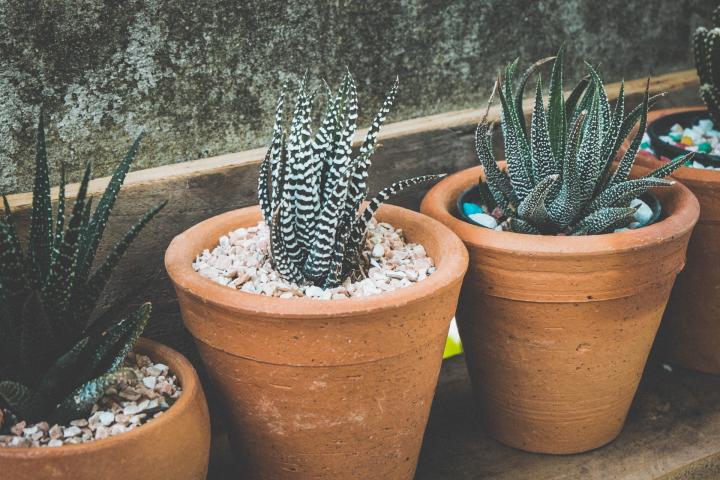
That is a Haworthia fasciata—aka zebra plant. They are similar in appearance and care to aloe plants!
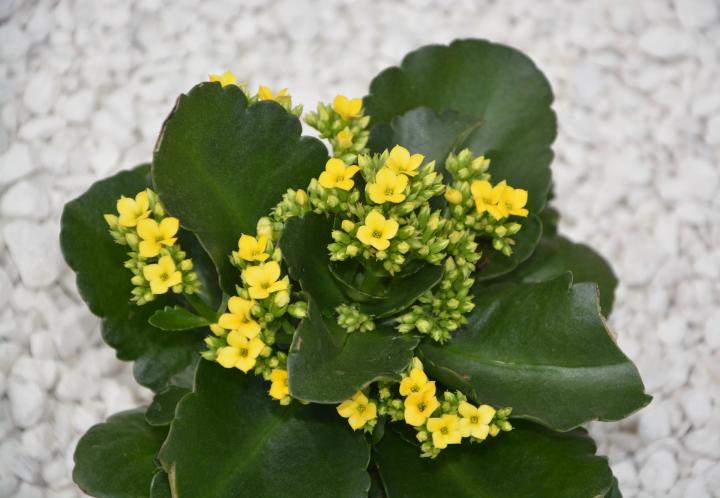
That is a kalanchoe, which is a fairly common succulent. You should be able to find one for sale at a local garden center, florist's, or even a grocery store!
We are not aware of any classes on succulent care—and, to be honest, we're not sure it would be worth your time or money to take one! Succulent care is very simple, and you should be able to find all the information you need at a local library, bookstore, or even online.
We also do not have our own nursery, unfortunately. Check in your area for a succulent nursery near you!

Comments