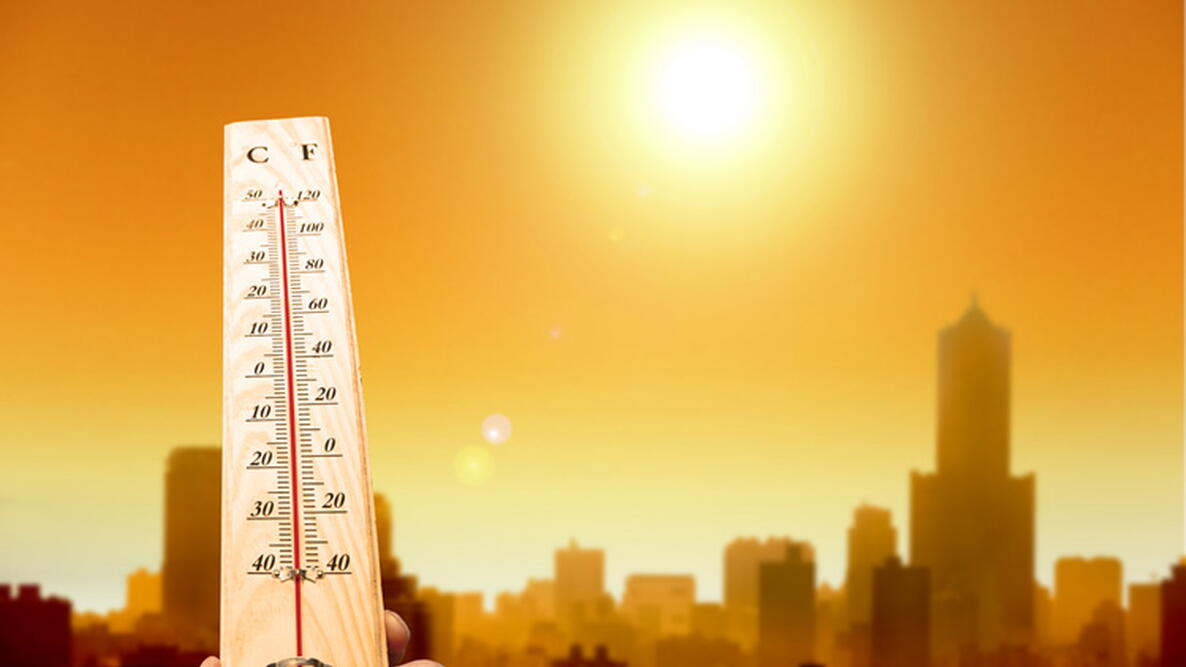

There’s the typical hot summer weather—and then there are heat waves. Learn more about what heat waves are and how to prepare for extreme heat—with helpful tips on how to stay safe during a heat wave.
What Are Heat Waves?
A heat wave is a prolonged period of unusually high temperatures in a region. Interestingly, there is no universal definition of “how high.” To be considered a heat wave, the temperatures must be outside the historical averages for a given area.
That said, we often think of a heat wave as typically lasting 2 or 3 (or more) days at generally 10 degrees or more above average.
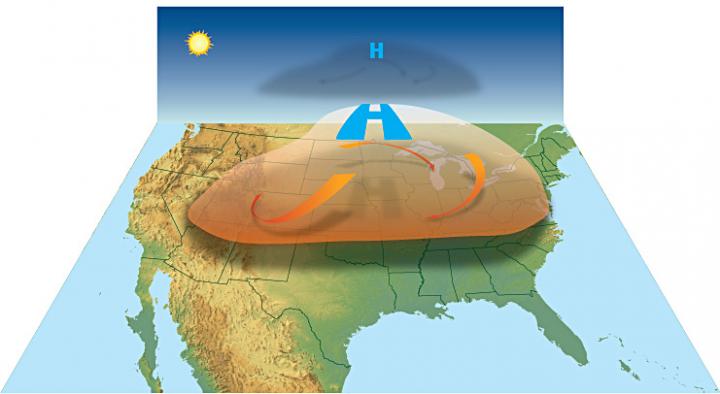
Heat waves happen when there is trapped air that feels like the inside of an oven. Usually, the culprit is a high-pressure system that forces air downward. This force prevents air near the ground from rising. The sinking air acts like a cap. It traps warm ground air in place. Without rising air, there is no rain and nothing to prevent the hot air from getting hotter.
What Are Heat-Related Illnesses?
Young children, sick people, and the elderly are most susceptible to heat-related illnesses. However, anyone can suffer from a heat-related illness if they overexert themselves or simply don’t take extreme heat warnings seriously.
While extreme cold is also dangerous, heat waves become life-threatening more quickly if proper precautions are not taken. Heat was responsible for 1,577 deaths in 2021—a 56 percent increase from 1,012 deaths in 2018.
We’ve all had swelling in our feet or hands; this can be an initial signal that it’s too hot and we need to cool down. Other heat-related issues include the following:
- Heat rash is a minor heat-related illness that comes from sweat being trapped in the skin. According to the Mayo Clinic, symptoms can range from small blisters to deep, inflamed lumps. Itchiness can accompany heat rash as well. Get to a cool place and hydrate yourself with cool liquids immediately.
- Heat exhaustion is the next stage, which includes dizziness, headaches, and nausea. As well as hydrating quickly, you need to cool the entire body down. Get into air-conditioning as soon as possible and remove clothing. If possible, take a cold shower or bath, or jump in a lake. Then, turn on a fan so air is blowing on wet skin. If conditions do not improve within a half hour, it’s essential to get to an emergency room.
- Heat stroke is severe and an emergency. It’s not common, but if your core body temperature is above 104°F, you will become disoriented, confused, and possibly have a seizure. If the body can’t cool down, this can also lead to brain damage, kidney failure, and other serious conditions. A trip to the emergency room is critical.

How to Prepare for and Prevent Heat Wave Danger
- Properly install window air-conditioners, sealing any cracks or gaps around the units. Insulate as necessary.
- Check AC ducts for proper insulation. Clean filters.
- Install awnings, blinds, or light-colored drapes. Keep them closed to keep sunlight and heat out.
- Upgrade your windows and weather-strip doors to keep heat out and cool air in.
- Make sure your first aid kit is updated and get trained in first aid.
- Have a plan for wherever you (and your family members and pets) will spend time during a heat wave—at home, work, and school—and prepare for power outages. Discuss heat safety precautions with members of your household.
- Check the contents of your emergency disaster kit in case a power outage occurs.
- Be aware of weather forecasts and the upcoming temperature changes.
- It’s not just the high temperature. The heat index is the temperature the body feels when the effects of heat and humidity are combined. See our heat index chart.
- A home generator is the safest and most reliable solution to prepare for a loss of electricity. Power outages are common during heat waves because the need for AC puts too much pressure on power grids. A standby generator automatically keeps the AC running, the lights on, food and medicine from spoiling, and medical devices operating.
10 Tips for Surviving a Heat Wave While It’s Happening
- Stay hydrated with plenty of water—even if you’re not thirsty. Hot weather causes you to sweat, and it’s vital to replenish the lost fluids, or you’ll overheat. To avoid dehydration, have a water bottle within reach as you go about your day.
- Never leave children or pets alone in hot vehicles—even for a second. Keep your pets indoors and make sure they have access to a cool space and plenty of water.
- Stay inside during the hottest part of the day (10 a.m. to 4 p.m.) and limit time outside in the sun. Avoid strenuous activity and postpone outdoor games and events.
- When you’re outdoors, stay out of direct sunlight as much as possible. Wear a hat or even carry an umbrella.
- Set your air-conditioners to a lower temperature and use curtains or blinds to keep direct sunlight out. If AC is not available, stay indoors on the lowest floor in a well-ventilated area with fans. Keep shades and blinds closed. If you don’t have air-conditioners, place a tray or dish of ice in front of a fan, and it’ll help to cool your room quickly.
- If you don’t have a cool home, go to a shopping mall, library, or any place with air-conditioning.
- Don’t drink alcohol, sugary soda, coffee, energy drinks, or other caffeinated beverages, as they dehydrate you! That’s the last thing you need during a heat wave.
- Eat small meals and eat more often. Eat food with nutrients (not empty carbs) and higher water content (fruits and vegetables).
- Wear loose-fitting, airy, light-colored clothing and a hat made of breathable material. Tight clothing traps heat.
- Check on family and friends who are older or more susceptible, especially if they may have lost AC. If you or someone you know is experiencing heat-related issues (such as rapid heartbeat, dizziness, fainting, headaches, muscle cramps, vomiting, or diarrhea), call your doctor.
- If you feel overheated, cool off with wet washcloths on your wrists and neck, or take a cool sponge bath or shower. Carry a cold water bottle spray or cooling facial mist with you, and spritz cold water on your pressure points to bring your body temperature down.
During heat waves, tune in to a NOAA radio station and listen for weather updates from the National Weather Service (NWS).
Too hot at the house? Go to the library or a designated public shelter if your home loses power during periods of extreme heat. Text SHELTER + your ZIP code to 43362 (4FEMA) to find the nearest shelter in your area (example: shelter 12345).
We hope these tips are helpful during the next heat wave. Print out this list and place it with your first aid kit so you’re better prepared when the next heat wave hits.
How do you stay cool when the temperatures skyrocket?

More Like This




Interestingly, there is no universal definition in terms of "how high." It's based on the region and the time of year. Temperatures have to be outside the historical averages for a given area.
For example, an average day in in North Africa near the Mediterranean Sea would be regarded as heat wave conditions in England and Northern Europe.
That said, we often think of a heat wave typically lasting two or three days or more—and generally 10 degrees or more above average.

Comments