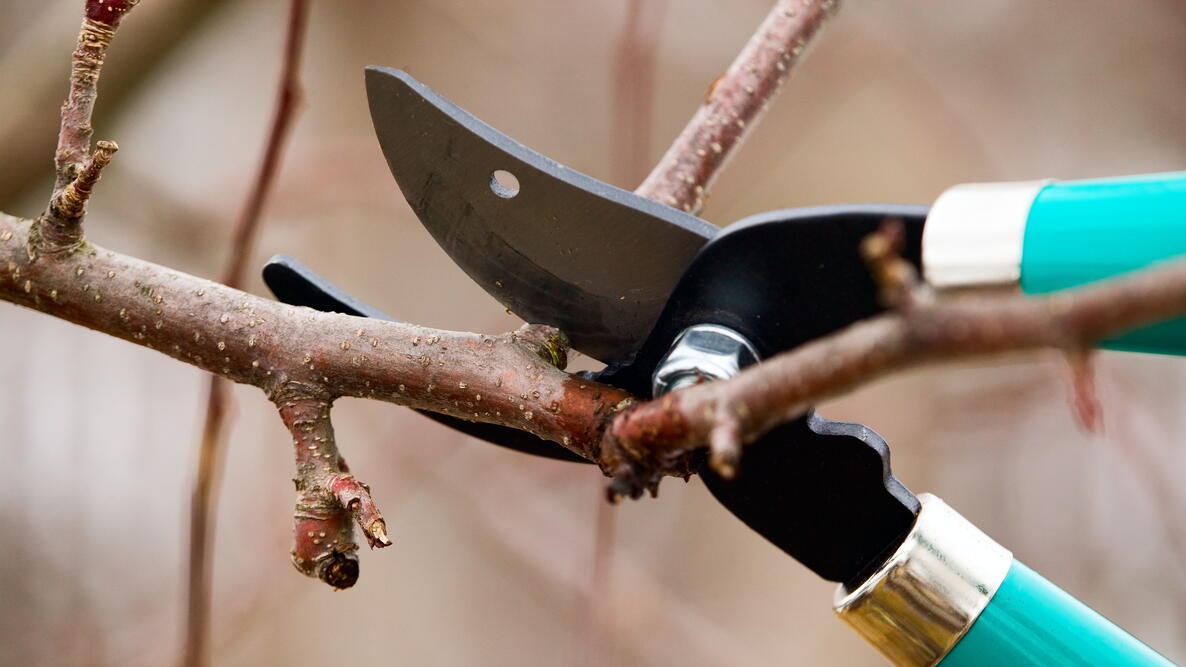

The secret to more flowers next season? Prune at the right time. Every flowering shrub or tree follows its own cycle, depending on whether it sets buds on old or new wood. Prune too early or too late, and you risk cutting off next year’s blooms before they even appear.
This guide covers everything you need to know—plus, our interactive Pruning Time Finder tool will give you tailored timing for your exact plant. No guesswork required.
Find Your Plant’s Pruning Time
Not sure when to cut back? Use our tool below—just select your plant to see the best pruning window for healthy growth and beautiful blooms.
Why Timing Matters
Most shrubs and trees don’t require pruning, but they benefit from it. Think of pruning as a good haircut: it shapes the plant, keeps it healthy, and encourages stronger flowering.
The key is timing. Each species sets flower buds at a specific time of year:
- Spring-bloomers form buds on last year’s growth (old wood).
- Summer-bloomers form buds on this year’s growth (new wood).
Prune at the wrong moment, and you may cut away those flower buds before they ever open. Done correctly, pruning preserves future blooms, reduces disease risk, and keeps plants vigorous.
In short: the calendar matters as much as the pruning shears.
Spring-Blooming Shrubs and Trees (Old Wood)
Spring bloomers—like lilacs, azaleas, dogwoods, and cherries—form buds on wood grown the previous year. By autumn, those buds are already set. If you prune in fall or winter, you’ll be trimming off next spring’s flowers.
Golden rule: Prune right after flowering. This gives the plant the rest of the season to grow fresh stems that will ripen and bear buds for next year.
Examples of Spring Bloomers (Old Wood)
Spring bloomers form buds on wood grown the previous year. By autumn, those buds are already set. If you prune in fall or winter, you’ll be trimming off next spring’s flowers.Need help identifying more spring bloomers? Use the Pruning Time Finder for a full list.
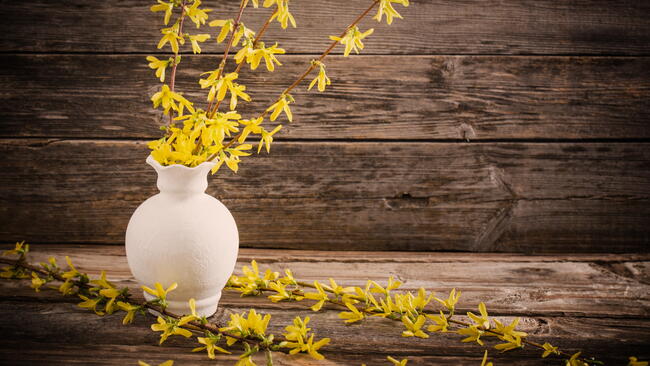
- Forsythia
- Lilac
- Star magnolia
- Mock orange
- Azalea
- Camellia
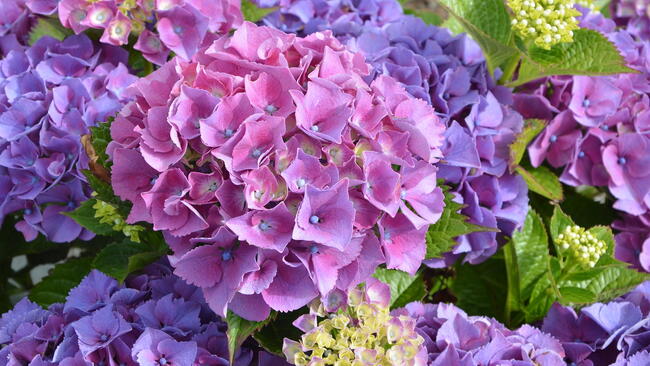
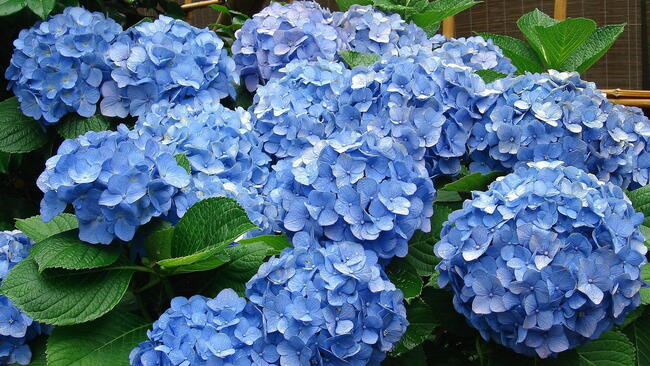
- Oakleaf and mophead hydrangeas (Hydrangea macrophylla)
- Rhododendron
- Mountain laurel
- Loropetalum
- Dogwood
- Flowering cherry, peach, plum, pear, crabapple
- Quince
- Andromeda
- Spirea
- Viburnum
Note: Some trees—like maples, birches, dogwoods, walnuts, and elms—are best pruned in summer to avoid sap bleeding.
How to Prune Spring Bloomers
- Deadhead and prune immediately after flowers fade
- Remove up to one-third of the oldest stems at the base each year for gradual renewal.
- Cut back flowering stems to a healthy new shoot.
- For young shrubs, lightly shape and remove weak growth.
- After pruning, weed, water, and mulch with compost to aid recovery.
Summer-Blooming Shrubs and Trees (New Wood)
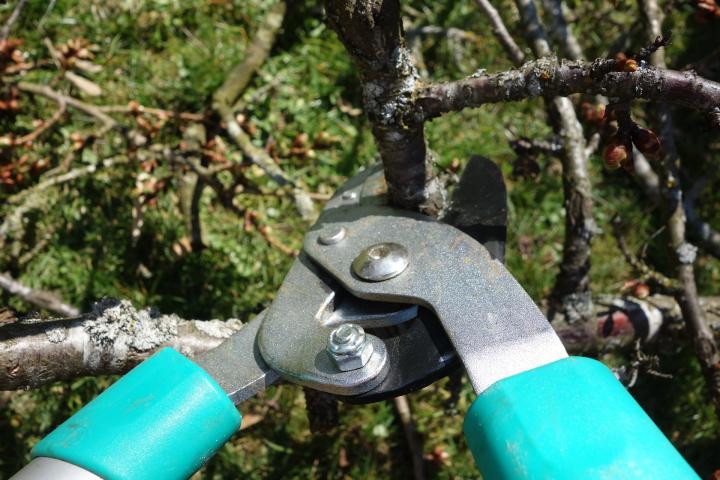
Summer bloomers—such as butterfly bush, crape myrtle, and Rose of Sharon—form buds on new growth. That means you can prune while plants are dormant in late winter or early spring without losing blooms.See our Winter Pruning Guide.
Best timing: Late winter to very early spring. Avoid fall pruning, which can spark tender growth just before winter.
Examples of Summer Bloomers (New Wood)
Need help identifying more summer bloomers? Use the Pruning Time Finder for a full list.
- Beautyberry
- Hydrangea paniculata ('Annabelle', 'Limelight', peegee types)
- Rose of Sharon (Hibiscus)
- Gardenia
- Clethra
- Buddleja (Butterfly bush)
- Angel's trumpet
- Crepe myrtle
- Roses
- Abelia
- Fruit trees: crabapple, cherry, plum
- Poplar, spruce, juniper, sumac
Hydrangea tip: Timing depends on the variety. See our Hydrangea Pruning Guide By Variety for specifics.
How to Prune Summer Bloomers
- Begin with the “4 Ds”: remove dead, diseased, damaged, or dying wood.
- Cut back to strong buds to encourage new flowering shoots.
- Shape for balance while respecting the plant’s natural form.
Quick Reference Chart: When to Prune Flowering Trees and Shrubs
| Bloom Time | Wood Type | Best Pruning Time | Examples |
|---|---|---|---|
| Spring | Old Wood | Right after bloom | Lilac, Forsythia, Azalea, Rhododendron, Star Magnolia, Dogwood, Camellia, Hydrangea macrophylla (mophead & oakleaf), Viburnum |
| Summer | New Wood | Late winter or early spring | Crape Myrtle, Butterfly Bush (Buddleja), Rose of Sharon, Hydrangea paniculata, Beautyberry, Gardenia, Angel’s Trumpet, Abelia, Roses |
General Pruning Tips for Flowering Plants
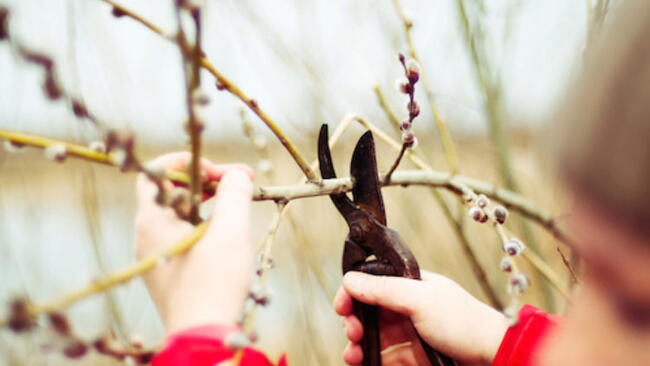
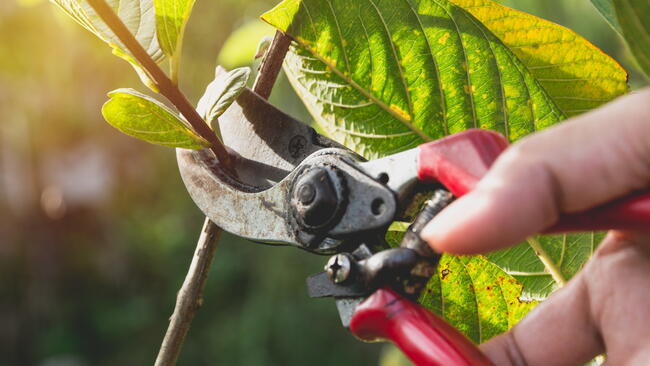
- Keep blades clean and sharp to prevent disease and ensure smooth cuts.
- Start with the easy cuts: Remove the 4 Ds (Dead, Dying, Diseased, Damaged). These are the easiest cuts and give your plant a healthy fresh start.
- Avoid over-shearing—hand-prune to preserve the plant’s natural shape.
- Make clean cuts just above a bud, angled away from it.
- Don’t prune more than one-third of a plant in a single season.
- Water and mulch after pruning to support recovery.
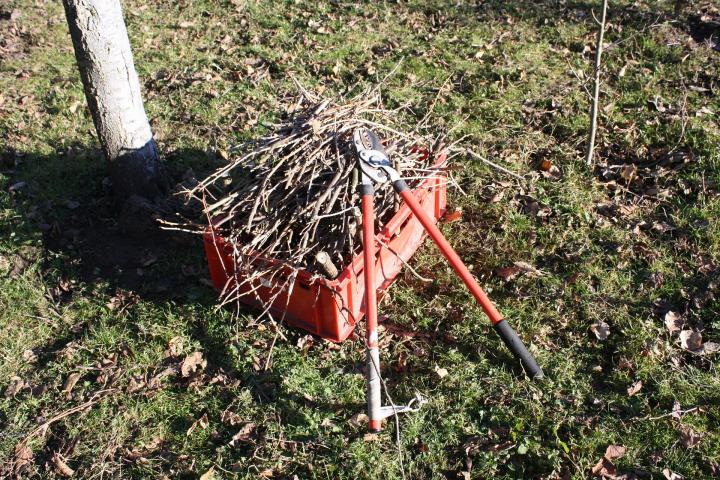
Common Pruning Mistakes to Avoid
Even experienced gardeners slip up sometimes. Avoid these common pruning errors to keep your flowering trees and shrubs happy and blooming:
- Cutting spring bloomers before they flower can wipe out the season’s display. Know your plant’s bloom cycle.
- Over-pruning: Cutting back too much growth at once stresses the plant and can reduce blooms. Aim to remove no more than one-third of the plant in a single pruning.
- Avoid hedge trimmers—many flowering shrubs need careful hand pruning.
- Ignoring plant-specific needs: Different species have different pruning requirements. When in doubt, consult a guide or use our Pruning Time Finder tool to avoid costly mistakes.
- Wait for dry conditions to reduce the risk of spreading pathogens.
- Clean and sharpen your pruning tools regularly to avoid ragged cuts and disease..
Avoiding these pitfalls will help your plants thrive and keep your garden blooming year after year.
Frequently Asked Questions About Pruning
Q. When is the best time to prune flowering shrubs?
A. Depends on bloom cycle:
- Spring-flowering: Prune right after they finish blooming.
- Summer-flowering: Prune in late winter or early spring while dormant.
- Non-flowering trees and shrubs: Prune during dormancy in late winter.
Use our Pruning Time Finder Tool above to get plant-specific timing.
Q. How do I know if my shrub blooms on old or new wood?
A. Old wood bloomers set buds on last year’s growth; new wood bloomers produce buds on current season’s growth. Use our Pruning Time Finder.
Q. What happens if I prune at the wrong time?
A. Early pruning of old wood or late pruning of new wood can reduce blooms or stress the plant.
Q. Can I prune shrubs in the fall?
A. Generally discouraged; see above for proper timing.
Q. What tools do I need?
A. Sharp, clean pruning shears; loppers or saws for thicker branches. Sterilize between cuts. See more about pruning tools.
Q. How much should I prune each year?
A. No more than one-third; gradual renewal keeps plants healthy.
Q. When should I prune fruit trees?
A. Late winter, while dormant, for better fruit production.
Q. Is it okay to prune evergreen shrubs and conifers?
A. Light shaping anytime; major pruning in late winter/early spring.
Q. Do I need to clean my pruning tools?
A. Absolutely. Dirty tools can spread disease between plants. Wash with hot, soapy water. Disinfect with diluted bleach (1–2 teaspoons in warm water). Clean between each plant, especially after cutting diseased branches
Ready to Prune for Beautiful Blooms?
Pruning your flowering trees and shrubs at the right time ensures a healthy, vibrant garden year after year. Knowing whether your plant blooms on old or new wood is the key to timing your cuts just right. Use our Pruning Time Finder to get plant-specific guidance and enjoy a garden full of flowers next season!

Hi Charles,
The timing of when to prune your blackberry and raspberry bushes and how to prune really depends on what type of berry bush you have. Below are links to our Blackberry and Raspberry growing guides, which will provide you with the information you need.
https://www.almanac.com/plant/blackberries
https://www.almanac.com/plant/raspberries
The best time to prune paw paw trees is late winter or early spring, when the tree is dormant. Pawpaw fruit is produced on new growth!
- « Previous
- 1
- 2
- …
- 10
- Next »

Comments