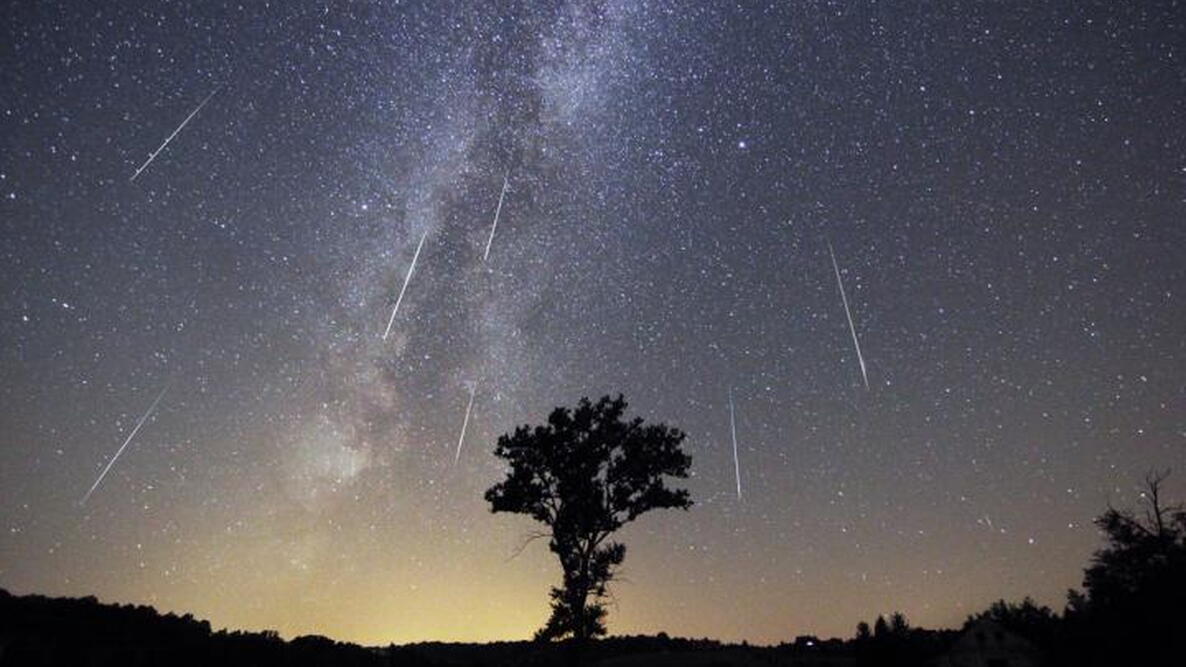
Caption
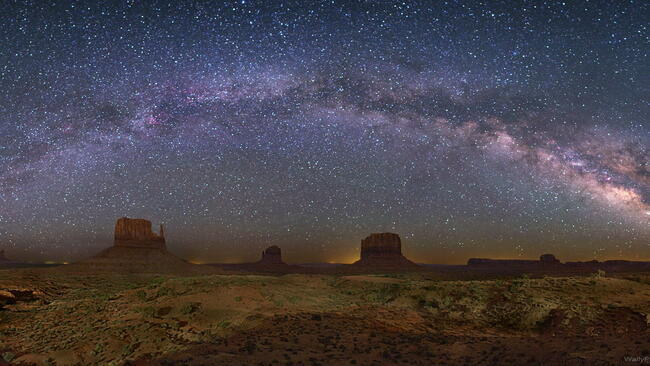
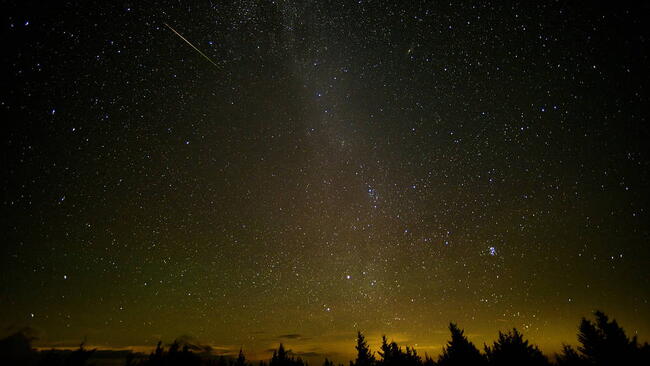
The Perseid meteors are bright, numerous, and dependable.

It’s an absolute blockbuster year for the famous Perseid meteor shower! The summer favorite peaks on Wednesday night, August 12. Best of all, the Moon sets early this year. That leaves the night sky perfectly pitch black. Expect a spectacular show of fast, bright fireballs.
When to Watch (Without Losing Sleep!)
The peak arrives on the night of Wednesday, August 12, into the predawn hours of Thursday, August 13.
You do not need to lose sleep to enjoy it:
10:00 PM to Midnight: The Moon sets between 8:30 and 9:00 PM. The sky will already be fully dark. You can catch bright meteors at a reasonable hour right from your lawn chair. Check your local moonrise times to fine‑tune your viewing.
Midnight to Dawn: Earth rotates directly into the debris stream. This window offers the highest number of meteors (up to 50+ per hour).
4 Quick Backyard Viewing Tips
Forget telescopes or binoculars. The naked eye is your best tool. You want to see the largest patch of sky possible.
1. Find dark skies
Get away from city lights. Rural parks or dark backyards work best. Hills and mountaintops are also excellent because they sit above much of the haze and light pollution.
2. Adjust to night vision
Your eyes need 20 minutes to adapt to the dark, so be patient. Avoid looking at your phone. One glance resets your night vision clock.
3. Get comfortable
Use a reclining lawn chair to avoid neck strain. Bring an extra blanket. Sitting still makes you lose body heat quickly.
5. Where to Look
We get this question often, but it’s an easy answer. You can always watch the Perseids from anywhere in the world. Find the darkest patch of sky and look up. Meteors can appear in any part of the sky.
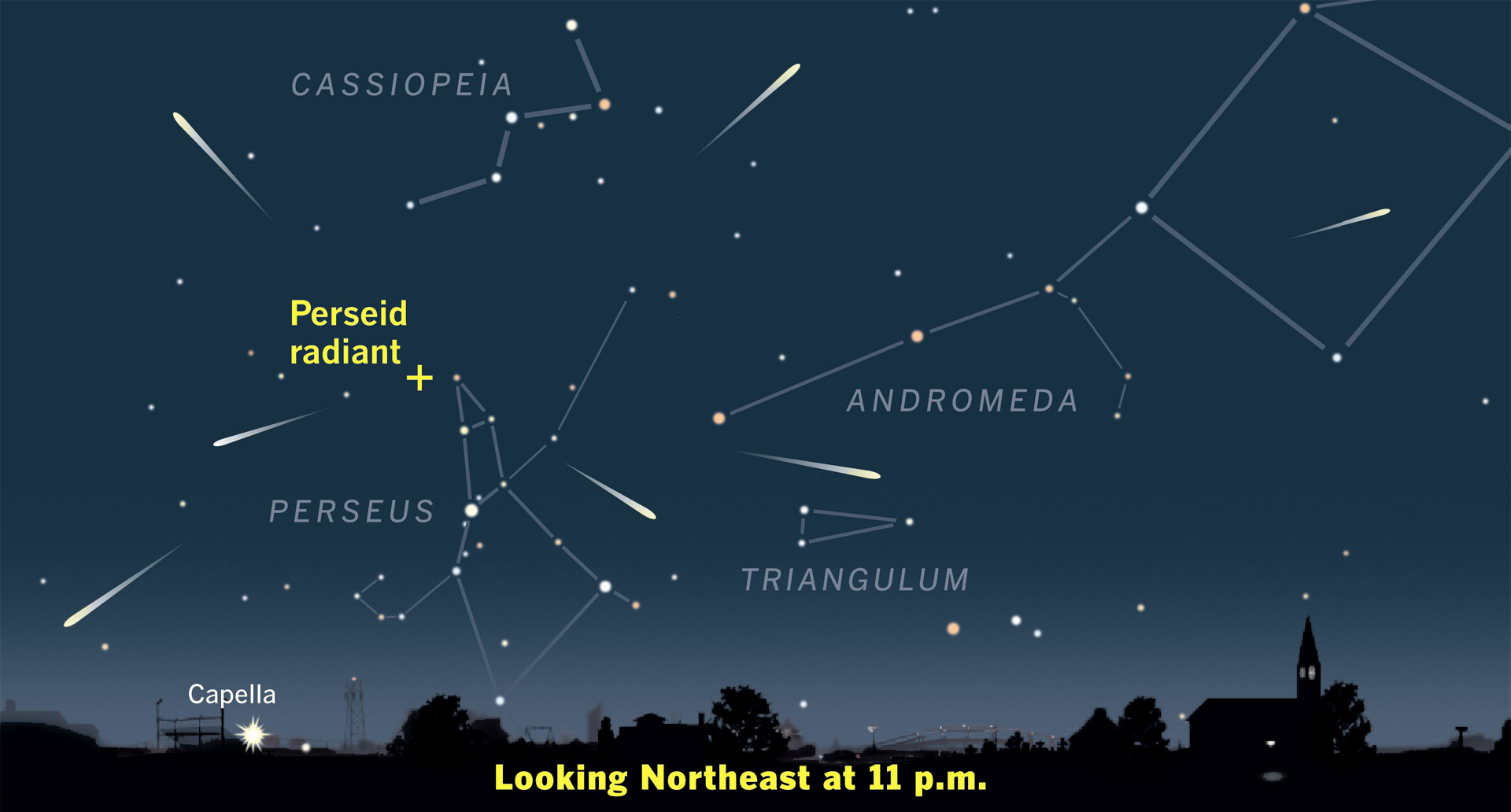
Meteors will appear to stream outward from the northeast, near the constellation Perseus.
What Are the Perseids?
The Perseids are one of the most popular annual meteor showers. These shooting stars are the ancient trail of Comet Swift-Tuttle. It loops around the Sun once every 133 years.
Every August, Earth plows through the crumbs left behind by this comet. The tiny particles slam into our atmosphere at 37 miles per second. The immense friction superheats the air. This creates the brilliant streaks of light we see. Chinese skywatchers first recorded this exact display in A.D. 36. See more facts about meteor showers.

Mark Your Calendars
If August 11 or 12 is cloudy, don’t worry—you’ll have another chance to enjoy a spectacular meteor shower later in the year. The Geminid meteor shower reaches its peak in December 2026 and is often considered the year’s best display.
See the schedule of all major meteor showers on our Meteor Shower Calendar page.
Frequently Asked Questions
Can I see the meteors from a city or suburb?
Yes, but you will only see the brightest fireballs. To experience the full meteor shower, you’ll need to get away from city lights and find a dark location with an unobstructed view of the sky.
Do I need special eclipse glasses or a telescope?
No. Unlike an eclipse, a meteor shower is completely safe to watch with your naked eyes. In fact, telescopes and binoculars narrow your field of view too much. Your best bet is to let your eyes adjust to the darkness and scan the entire sky for streaks of light.
What direction should I face?
Look toward the darkest part of your sky. Although the Perseids appear to radiate from the constellation Perseus in the northeast, meteors can streak across every part of the sky.
Will a meteor hit the ground or threaten Earth?
No. Perseid meteors are tiny bits of dust and sand left behind by Comet Swift-Tuttle. They burn up completely about 60 miles (100 km) above Earth’s surface before ever reaching the ground.
Wondering how likely it is for a meteor to hit Earth? Learn why experts say there’s little reason to worry.

More Like This

Comments