
What Does “Dog Days of Summer” Mean?

The Dog Days of Summer run from July 3 to August 11 each year. Far more than a modern saying, the phrase comes from ancient skywatchers who noticed that the brightest star, Sirius, rose with the Sun during this period. For centuries, this hot part of summer has carried both astronomical meaning and layers of folklore.
Learn the History Behind This Common Phrase
The term “Dog Days” has been used for millennia to describe the hottest, most sweltering weeks of the Northern Hemisphere summer. Ancient peoples linked it with both astronomy and folklore, often viewing it as a time of drought, disease, or unrest.
Dog Days bright and clear
Indicate a happy year;
But when accompanied by rain,
For better times, our hopes are vain.
Today, the phrase evokes images of lazy summer days—but its origins tell a story of stars, calendars, and centuries of observation.
Why Are They Called the “Dog Days”?
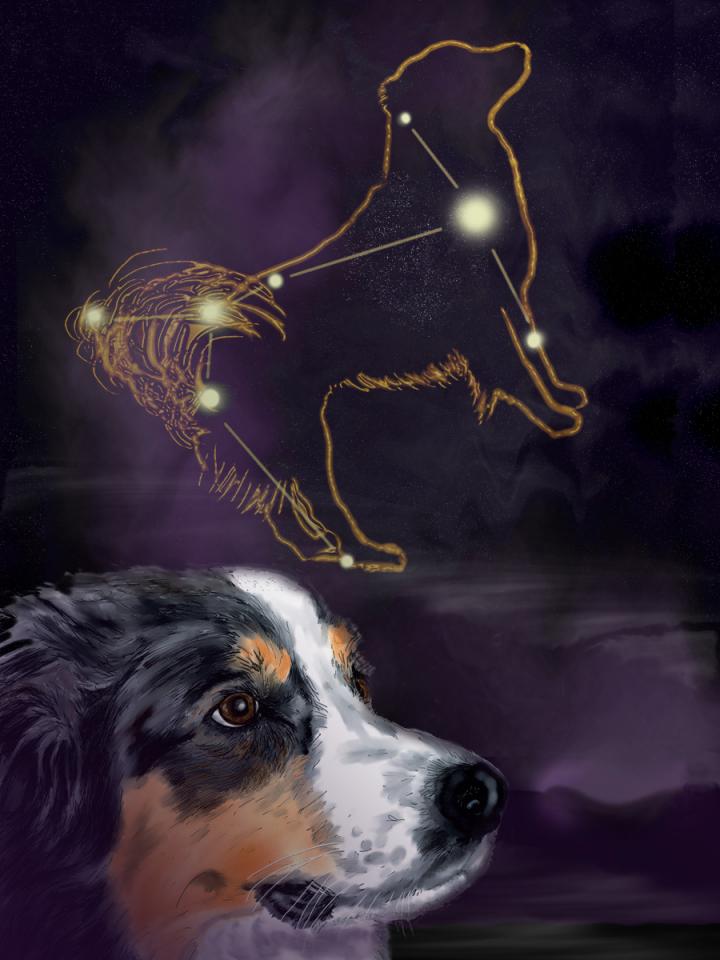
This period of intense heat coincides with the heliacal rising of Sirius, the Dog Star, part of the constellation Canis Major. Ancient civilizations noticed the star appeared in the eastern sky just before dawn during midsummer.
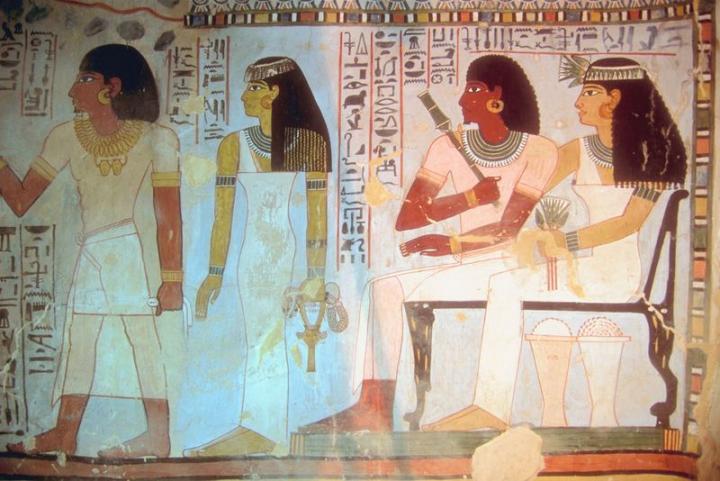
The Greeks believed its brilliance intensified the summer sun, and its name, “Sirius” (σείριος), even means “scorching.” For the Egyptians, Sirius—called Sothis—signaled the annual flooding of the Nile, a critical event for agriculture and survival. While the star has no actual effect on Earth’s temperature, the lore surrounding Sirius has endured for thousands of years.
When Are the Dog Days of Summer?
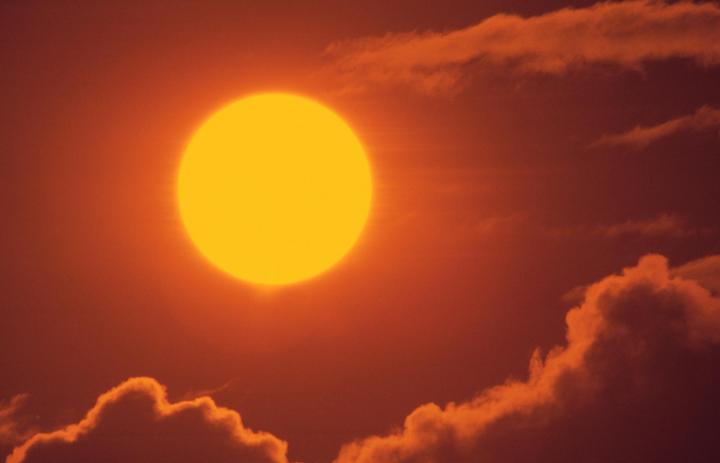
According to The Old Farmer’s Almanac, the Dog Days span July 3 to August 11—40 days following the summer solstice. These are traditionally the hottest and most humid weeks of the year.
However, if you’re eager to spot Sirius for yourself, it often doesn’t appear in the dawn sky until mid-August, depending on your location. Observers in Florida commonly spot it around August 13. This first sighting is called the heliacal rising, a fun skywatching challenge for anyone who wants to observe the stars as the ancient Egyptians did.
More About Sirius: The Brightest Star in the Sky
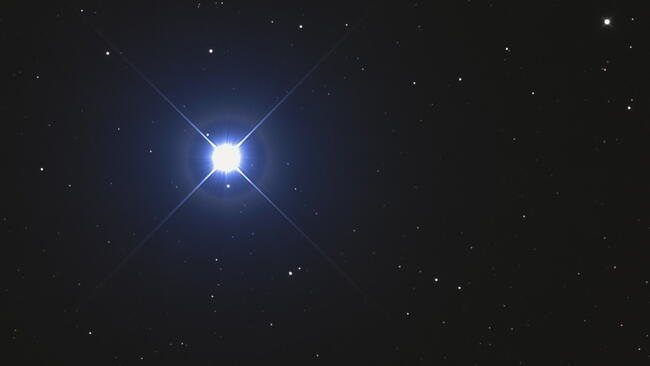
Sirius is the brightest star in the night sky (excluding the Sun) and can even be seen under the right conditions during daylight. As part of Canis Major—the “Greater Dog”—it earned the nickname Dog Star. Its brightness made it easy for ancient civilizations to track and attach meaning to, from agricultural calendars in Egypt to weather superstitions in Greece and Rome.
Dog Days of Summer Folklore
Greeks and Romans associated Sirius with ill fortune, believing it caused droughts, fever, and general discomfort. Roman poet Virgil wrote that Sirius “brings drought and plague to frail mortals” when it rises. Farmers would watch the skies and adjust planting and harvesting schedules based on this superstitious guidance.
Even today, old weather sayings reflect these beliefs, such as: “make hay while the Sun shines, for when old Sirius takes command of the weather, he is such an unsteady, crazy dog, there is no dependence upon him
Try This During the Dog Days
Whether or not you believe in astronomical influence, it’s the perfect time to enjoy a refreshing Dog-Days Iced Tea in a shady spot in the garden, or engage in an early-morning skywatching adventure to spot Sirius. Watching the star’s heliacal rising can connect you to ancient traditions and offer a quiet, stellar perspective on midsummer.



Comments

Roosters and chickens can get heat stress, some signs being panting, lethargy, loss of appetite, holding their wings out. Make sure that your rooster has shelter/shade from the heat and plenty of water. Also check if he might be suffering from an illness. Hope this helps!