Caption
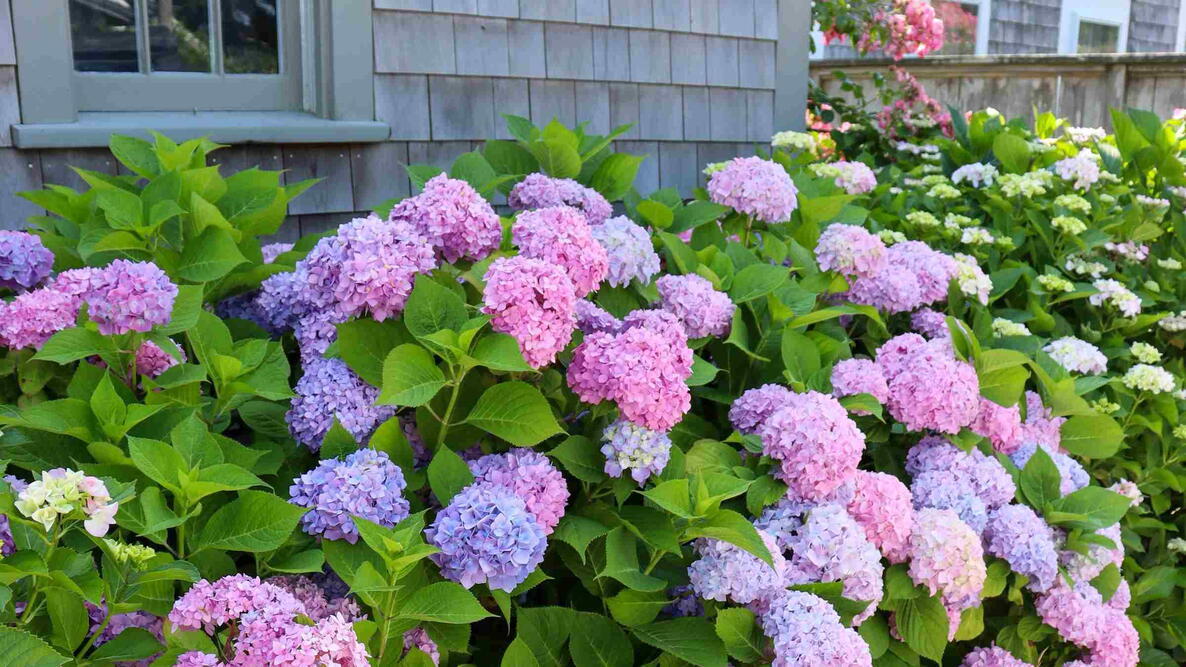
Hydrangeas bring bold summer color to coastal gardens and hold up well in salty conditions.
Salt happens. Ocean spray along the coast and winter road salt can damage flowers, trees, and shrubs. If you’re dealing with salty soil, these 15 salt-tolerant plants are beautiful, low-maintenance picks that thrive in coastal and roadside landscapes.
Gardening and Salt
Coastal gardens often have sandy, nutrient-poor soil and are exposed to strong winds and occasional flooding, making gardening there a challenge. But these spaces—and gardens near roads and sidewalks treated with de-icing products— also usually have high salt accumulations in the soil, which can damage soil structure and health, alter soil pH, and affect plant growth.

Whether salt arrives via runoff, flooding, ocean, or road spray, it may damage any plant part it comes into contact with. Salt spray that lands on plant buds or leaves can cause leaves to turn dry and brown, affecting the entire plant or just one side, and can lead to premature leaf and bud drop. Salt on plant roots can be even more damaging, making it harder for plants to absorb water and leading to wilting, drying, and plant death.
In colder regions where road salt is used heavily in winter, adapt by growing salt-sensitive plants at least 50 feet away from treated roads and sidewalks. Watering plants regularly, adding compost or gypsum into the soil, and installing fencing and other barricades should also reduce salt from roadways and the ocean. But if you’re like me and prefer to keep gardens as low-maintenance as possible, selecting salt-tolerant plants from the outset eliminates a lot of potential headaches and salty issues later on!
What Makes a Plant Salt Tolerant?
Most plants can tolerate some salt, but salt-tolerant plants can grow in moderately to highly saline soil without showing signs of distress. These plants are often native to coastal and brackish wetlands that experience repeated flooding, but they can also grow in standard gardens. Just keep in mind that while these plants can tolerate some saltwater, they still need freshwater like any other garden plant!
15 Best Salt-Tolerant Plants
Choosing salt-tolerant plants makes it easier to garden in salty soil, but it’s also important to choose plants that are adapted to the light and soil conditions on your property. In the list below, you’ll find a mix of salt-tolerant perennials, annuals, trees, and shrubs for shade, sun, damp or dry gardens — and just about any other growing situation you may encounter. Best of all, most of these plants are North American natives and are perfectly adapted to local growing conditions!

1. Blanket Flower (Gaillardia spp.)
“Blanketing” the ground with bright red and yellow blooms, most blanket flower species are native to the Western United States and the Great Plains, but their cold and salt tolerance makes them suitable for gardens just about anywhere.
- USDA Zone: 3 to 10
- Size: 1 to 3 feet high
- Light: Full sun to part shade
- Soil: Well-draining, gritty, and nutrient-poor

2. Yarrow (Achillea millefolium)
Yarrow can also tolerate salty soil and a range of pH levels, and it is drought-tolerant. These plants grow best in soil that’s relatively lean on nutrients, which sandy coastal gardens often are.
- USDA Zone: 3 to 9
- Size: 1 to 3 feet high
- Light: Full sun to part shade
- Soil: Well-draining and nutrient-poor

3. New England Asters (Symphyotrichum novae-angliae)
New England asters stand out in mixed plantings with bright purple flowers that can stretch up to 6-feet high. For even more color, try pairing these fall bloomers with seaside goldenrod—another salt-tolerant native with bright yellow flowers!
- USDA Zone: 3 to 8
- Size: 3 to 6 feet high
- Light: Full sun to part shade
- Soil: Moist, fertile, and well-draining

4. Joe Pye Weed (Eutrochium spp.)
Not only is Joe Pye weed tolerant of salt, but it’s also a top-notch pollinator plant and an absolute magnet for bees, butterflies, and more. This North American native grows well in moist conditions and areas that experience occasional flooding.
- USDA Zone: 4 to 9
- Size: 4 to 8 feet high
- Light: Full sun to part shade
- Soil: Moist, fertile, and well-draining

5. Coral Bells (Heuchera spp.)
If your garden experiences a lot of shade and you have salty soil, coral bells are one of your best bets. This woodland plant produces flashy leaves in a range of fantastic colors and is well-adapted to containers or garden growing.
- USDA Zone: 4 to 9
- Size: 1 to 1 ½ feet high
- Light: Part shade
- Soil: Moist, fertile, and well-draining

6. Calendula (Calendula officinalis)
Many salt-tolerant plants are grown as perennials, but calendula is usually maintained as an annual and replaced each season. These easy-care plants produce bright yellowish-orange flowers that linger from spring to fall and add the perfect pop of color to garden borders, pots, and window boxes. If you love the idea of growing annuals, try out other salt-tolerant plants like zinnias and petunias!
- USDA Zone: 2 to 11
- Size: 1 to 2 feet high
- Light: Full sun to part shade
- Soil: Average to poor and well-draining

7. Daylilies (Hemerocallis spp.)
A fine choice for large plantings and garden borders, daylilies bloom in a range of colors and grow 1 to 4 feet tall, depending on the variety. Thanks to their salt tolerance, daylilies are a perfect choice for growing near roadways and sidewalks treated with salt, and they look stately in coastal gardens as well.
- USDA Zone: 3 to 9
- Size: 1 to 4 feet high
- Light: Full sun to part shade
- Soil: Fertile, and well-draining

8. St. John’s Wort (Hypericum spp.)
Although St. John’s wort plants are mostly known for their bright, summer-blooming flowers, these hardy perennials also tolerate sun to light shade and salty soil. It doesn’t matter if your soil is moist, dry, acidic, or alkaline; these plants will grow just fine as long as your garden drains well.
- USDA Zone: 4 to 9
- Size: 1 to 3 feet high
- Light: Full sun to part shade
- Soil: Well-draining

9. Lavender (Lavandula spp.)
Lavender may not be a North American native, but it’s the plant you want in your garden if you love that coastal Mediterranean vibe. There are around 50 species of lavender to choose from, but most produce fragrant and airy-looking foliage and handle salt and dry soil like champs.
- USDA Zone: 5 to 11
- Size: 2 to 4 feet high
- Light: Full sun
- Soil: Well-draining, gritty, and nutrient-poor

10. Sea Oats (Chasmanthium latifolium)
Nothing says “beachy” quite like the feathery tops of ornamental grasses blowing in the breeze. However, some ornamental grasses just can’t handle salt. If you’re looking for grass-type plants for salty areas or coastal gardens, try out sea oats, a North American native with arched stems and dangling seed heads that attract sunbirds. Other tolerant salt-tolerant grasses include Switchgrass (Panicum virgatum) and Little Bluestem (Schizachyrium scoparium).
- USDA Zone: 3 to 9
- Size: 3 to 6 feet high
- Light: Full sun to shade
- Soil: Moist and well-draining

11. Red Cedar (Juniperus virginiana)
Growing tall screening plants along road margins gives gardens extra privacy and can also protect the rest of your space from salt spray. But while arborvitae is often grown as a screening plant, it can be sensitive to salty soil. Better options are red cedars or blue spruce, which have a similar look and feel but handle salt spray with ease!
- USDA Zone: 2 to 9
- Size: 30 to 40 feet high
- Light: Full sun to part shade
- Soil: Well-draining

12. Pasture Rose (Rosa carolina)
Beach roses (Rosa rugosa) are a common sight in coastal gardens, but they actually grow invasively in many areas. Native pasture or Carolina rose is a much better choice, with a similar look and salt tolerance, but it provides more benefits to wildlife. Rose of Sharon, native winterberry, and Canadian serviceberry also tolerate salt and can be grown in coastal areas or used as screening plants along salty roadways.
- USDA Zone: 4 to 9
- Size: 2 to 4 feet high
- Light: Full sun to part shade
- Soil: Well-draining

13. Prickly Pear (Opuntia spp.)
Have a salty garden that doesn’t get much rain? Why not grow a prickly pear or two? These native plants produce large, showy flowers and edible fruit and cactus paddles, and can grow in zones 3 and up. Yes, it’s even native to colder coastal areas like Cape Cod! If you want to water less, try other salt-tolerant plants for xeriscaping, such as sedums and Adam’s needle.
- USDA Zone: 3 to 11
- Size: 1 to 15-feet high (depending on variety)
- Light: Full sun
- Soil: Well-draining and gritty

14. Butterfly Weed (Asclepias tuberosa)
There’s much to love about butterfly weed. It’s a hardy native plant that doesn’t require much fuss, it tolerates dry soil and salt well, and it attracts pollinators of all sorts – including monarch butterflies. These plants hold their own in coastal gardens and look pretty when paired with ornamental grasses; however, you may not want to grow them near roadways, as de-icing products may harm pollinators.
- USDA Zone: 3 to 9
- Size: 1 to 3-feet high
- Light: Full sun
- Soil: Well-draining and gritty

15. Hydrangeas (Hydrangea spp.)
There’s a reason why hydrangeas are staples in coastal gardens and yard borders. These plants enliven spaces with their bright blooms, but big-leaf and mophead hydrangeas are also salt-tolerant, and soil pH changes brought about by salt exposure can make color-changing hydrangea blooms shift from pink to blue. If you love the look of hydrangeas but want to explore other options, lilacs also handle salt well, and their flowers are highly fragrant!
- USDA Zone: 5 to 9
- Size: 3 to 6 feet high
- Light: Part shade
- Soil: Moist, fertile, and well-draining
Gardening in salty soil doesn’t have to be frustrating. By choosing salt-tolerant plants that match your light and moisture conditions, you can create a thriving landscape—even in coastal settings or near roads treated with de-icing salt. With the right plant selections, salty conditions become just another manageable part of the garden.
Frequently Asked Questions About Salt-Tolerant Plants
Q. Are hydrangeas salt-tolerant?
A. Some varieties, including big-leaf and mophead hydrangeas, can handle moderate salt exposure and are commonly grown in coastal gardens.
Q. How do I reduce salt in my garden beds?
A. Flushing soil with fresh water, improving drainage, and adding organic matter such as compost can help reduce salt buildup over time.
Q. What plants grow well in salty soil?
Many coastal natives and drought-tolerant plants, including yarrow, lavender, sea oats, and red cedar, perform well in soils with moderate salt levels.
Q. Is road salt harmful to plants?
Yes. Road salt can damage roots, alter soil structure, and cause leaf burn. Choosing salt-tolerant species and planting away from treated areas can help reduce damage.

More Like This

Comments