

Most of us have a pepper shaker on our kitchen table, but do you know where that pepper actually comes from? Learn all about black pepper, including its history, health benefits, and even how it contributed to European exploration of the Americas.
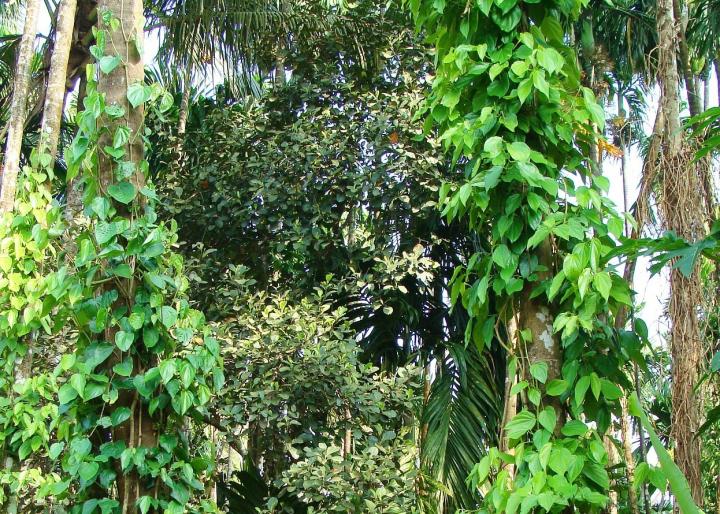
I got a plant in the mail the other day, and when I unearthed it from all the wrappings, I thought at first that it was just a standard ivy plant. Then I read the tag attached to it: Piper nigrum.
Whoa, I was thrilled! A friend had sent me an actual Piper nigrum plant. I was beside myself with excitement at the thought of growing a plant species that single-handedly was responsible for the rise and fall of empires. Christopher Columbus learned about the “New World” while searching for a faster route to find black pepper and spices. Now, this is one special plant.
What Is Piper Nigrum?
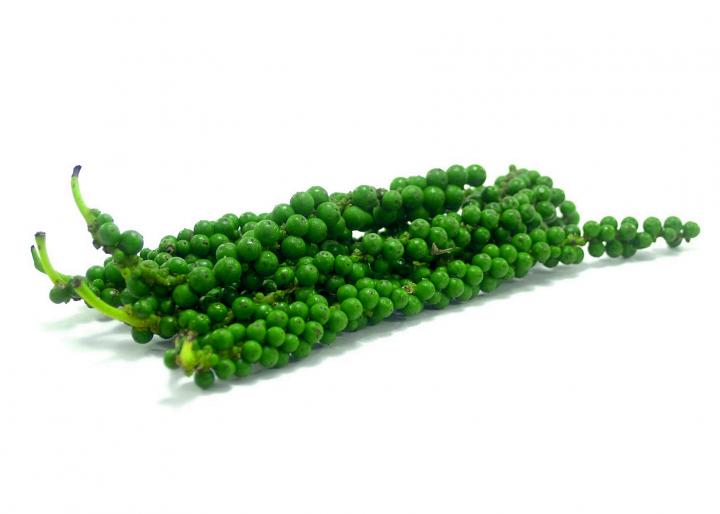
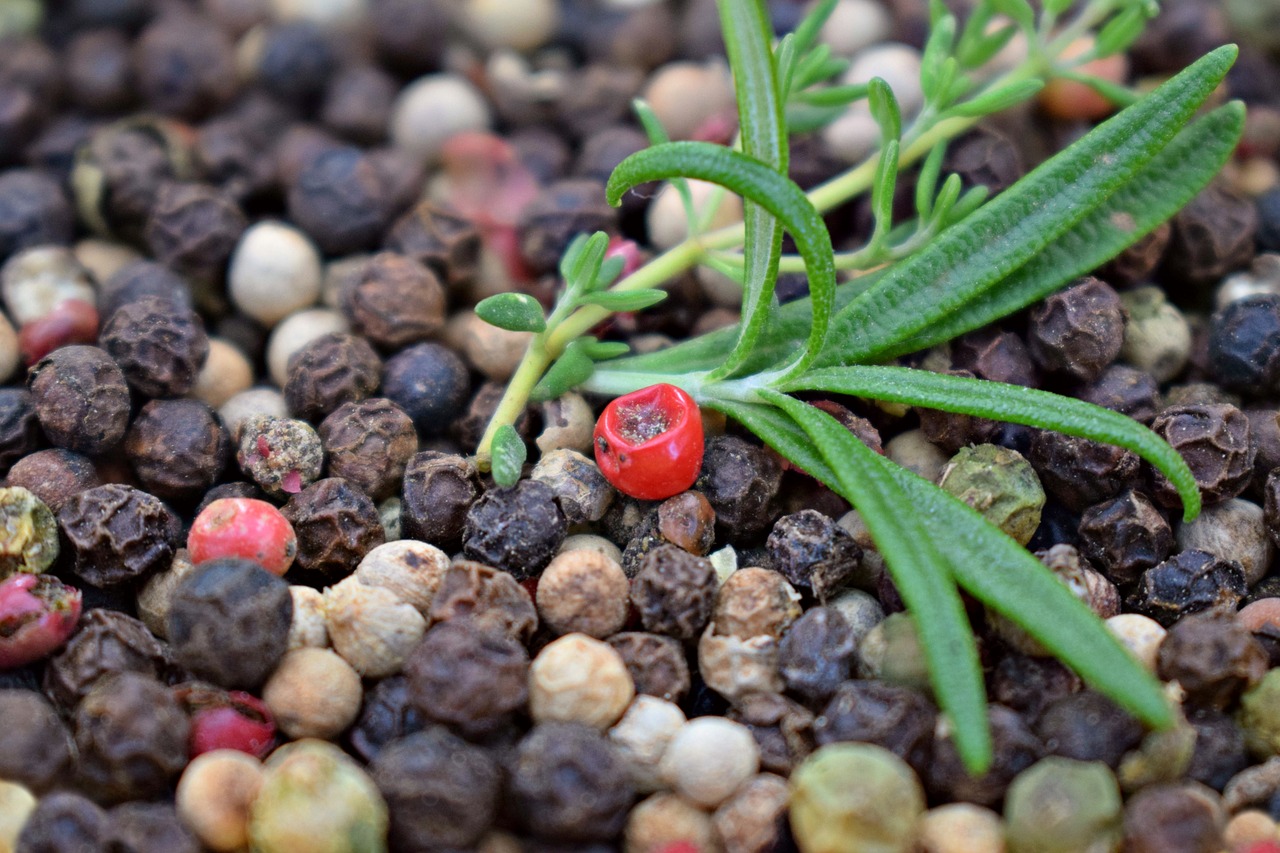
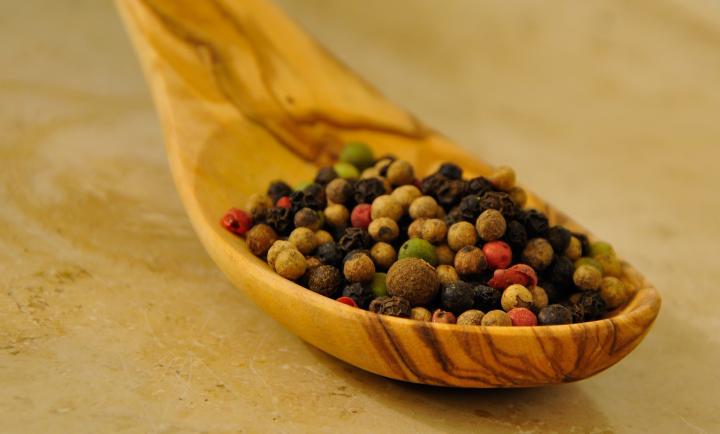
Piper nigrum is more commonly known as the black pepper plant. Pepper is the most common spice in the world. The peppercorn is actually the fruit of the plant, and depending on when it is harvested, processed, and dried, it can produce black, green, or white peppercorns. Some people mistakenly group pink peppercorns in here, but pink peppercorns, originating in Peru, have no relation to Piper nigrum and only bear a spherical and culinary resemblance.
Today, global black pepper consumption is estimated to be about 400,000 tons per year and is increasing steadily. In our shop, out of the hundred or so spices and blends we carry, pepper has always been the bestseller.
Where Does Pepper Come From?
Piper nigrum belongs to the Piperaceae family and is a climbing vine indigenous to the Malabar Coast of India. Today, however, Vietnam has made huge efforts to become the largest producer of pepper and is responsible for almost one-third of the total pepper production worldwide. India, Brazil, and Indonesia produce the remaining two-thirds. Oh, and then there is my little pepper plant on my kitchen windowsill in New Hampshire, only a couple of years away from producing its own handful of pungent little peppercorn fruit.
Did Pepper Lead Europeans to the Americas?
Pepper has had a significant impact on shaping the world. Throughout the Middle Ages and into the Renaissance, Europeans valued pepper so highly that it was often presented as a gift, rent, dowry, bribe, or even to pay taxes.
In the 15th century, Christopher Columbus set out with his three ships in order to find a new trade route to the East Indies. It was believed that by sailing west, he would reach the East, the source of the coveted spices, largely pepper.
At that time, all spices that reached Europe were controlled by the cities of Venice and Genoa. Since the early 8th century, the Arabs and the Venetians had an arrangement under which all spices crossing the Mediterranean Sea passed through Venetian hands. This monopoly and the ability to set high prices are what led to pepper’s status as a luxury item in medieval Europe. Even today, there is a Dutch phrase, “pepper expensive,” which refers to an item of exorbitant cost.
The Europeans’ rising demand for spices and the Venetians’ price gouging were the impetus for Europe to seek a more direct route to the sources of spices, which sparked what would later be called the Age of Discovery.
Health Benefits of Pepper: Why We Love It
The love affair with pepper is a spicy one and runs long and deep into our past. While we love pepper for its pungent flavor and ability to disguise bland foods, it also offers medicinal and preservative abilities. It has proven antibacterial, antimicrobial, and antioxidant properties. The main active alkaloid present in pepper is piperine. It is this chemical compound that is also responsible for pepper’s hot taste and health benefits.
Today, pepper may not be seen as a status symbol as it once was in Europe, but it has earned itself a permanent spot on our dinner tables next to the salt. At my dinner table, “Please pass the pepper,” is my go-to phrase, regardless of the meal being served. Now, if I can just keep my Piper nigrum alive and thriving long enough to see and taste its pungent peppercorns.
Learn more about pepper’s partner, salt, in our article, “Six Types of Salt and How to Use Each.”


- « Previous
- 1
- 2
- …
- 10
- Next »

Comments