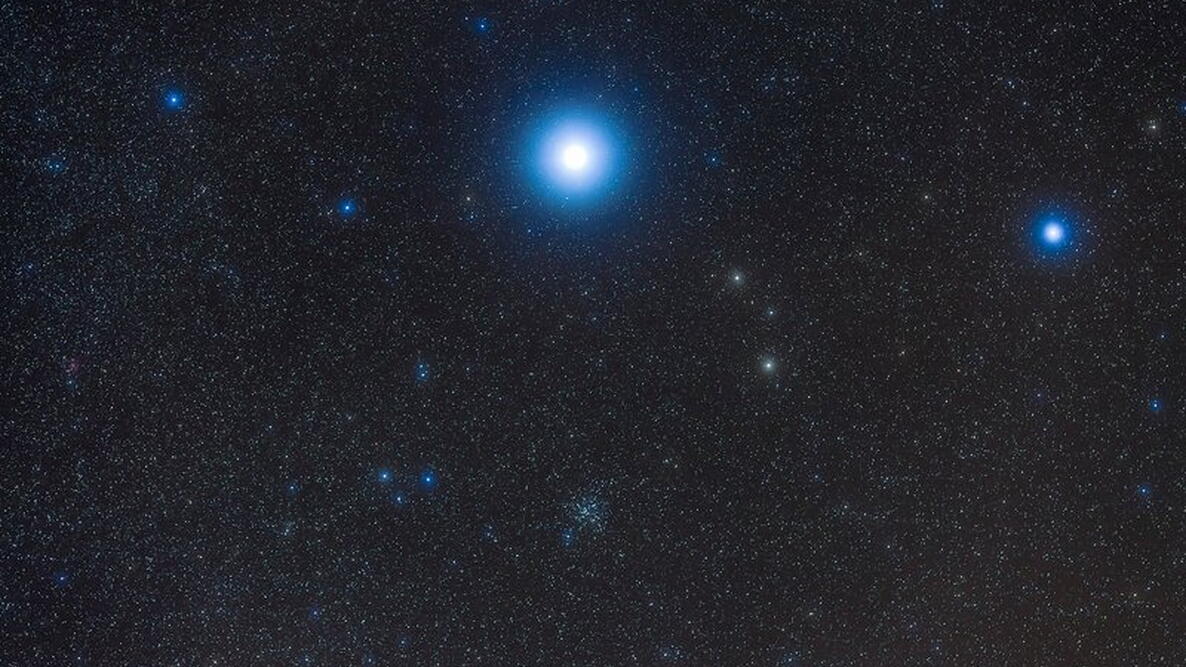

Want a cosmic way to welcome the New Year? Step outside on New Year’s Eve 2025 and look south as midnight approaches to spot Sirius, the brightest star visible from Earth. Known as the Dog Star or New Year Star, Sirius reaches its highest point in the night sky right around local midnight, making it one of the easiest and most dazzling celestial sights of the year—no telescope required.
Spot Sirius in the New Year’s Sky
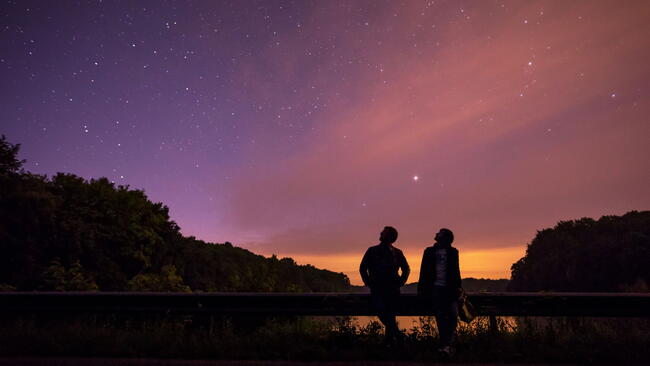
Simply step outdoors on New Year’s Eve as local midnight approaches, then look toward the south and you’ll easily see the brightest star, Sirius, which is also known as the “Dog Star” or “New Year Star.”
This year, the waxing gibbous Moon—though bright—should be heading toward the western horizon by the time the clock strikes midnight, meaning that it won’t interfere with the viewing of Sirius.
Sirius stands at its very highest around midnight on New Year’s Eve. How high up it floats depends on your location; the further south you are, the higher in the sky Sirius will appear.
- From most of the United States, Sirius will be about one-third of the way up the sky from the horizon. From the southernmost places, like Miami, Florida, it’s about halfway up the sky. From Canada and most of Europe, it will appear quite low.
- If you do live in southern Florida or Texas, look below the dog star. Just 10° above the horizon stands Canopus, the sky’s second brightest star. Canopus is invisible from the rest of the U.S. and also never rises for people in Europe and Canada. But for those far, far south, it clears the horizon and, like the Dog Star, stands highest at midnight just as the year begins.
If you look for the sky’s brightest star, and are still not sure, here’s a can’t-miss solution:
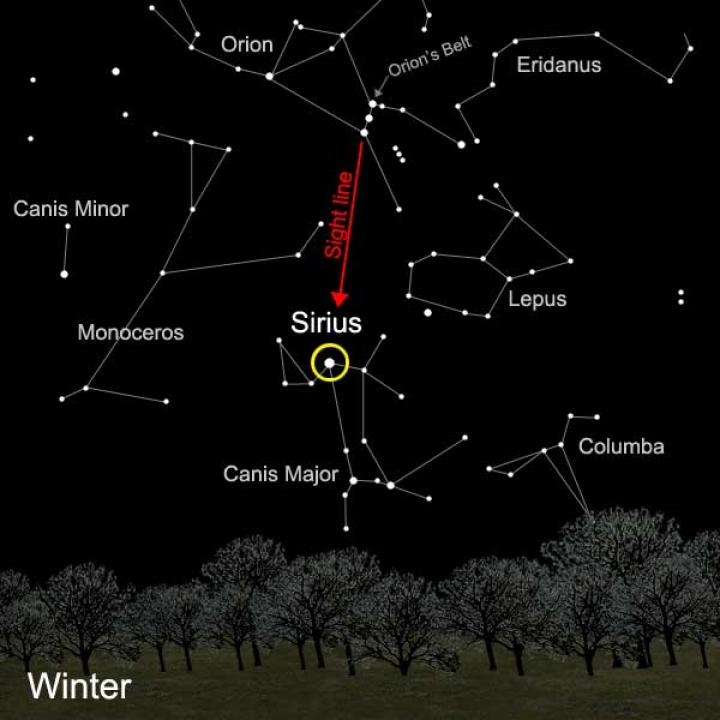
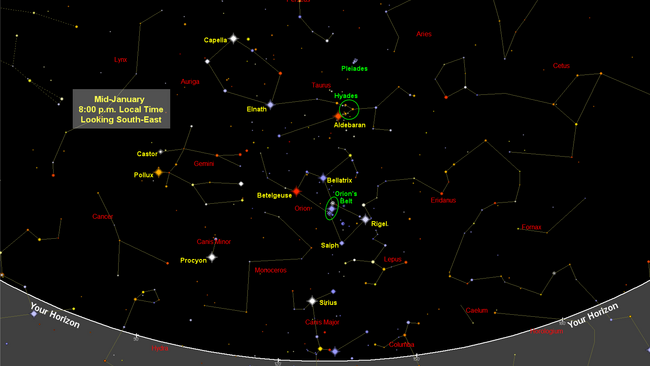
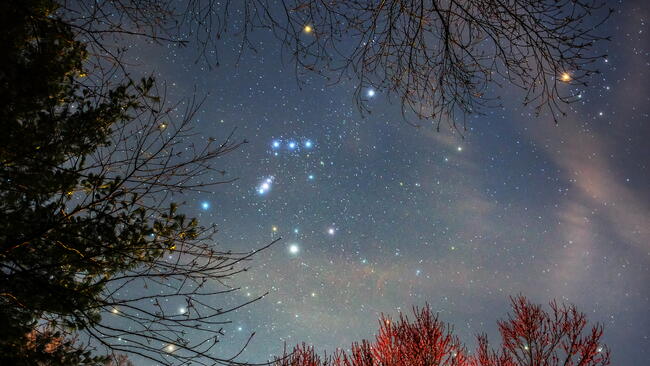
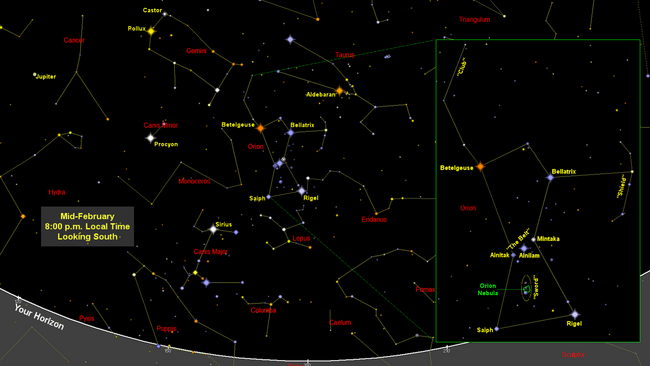
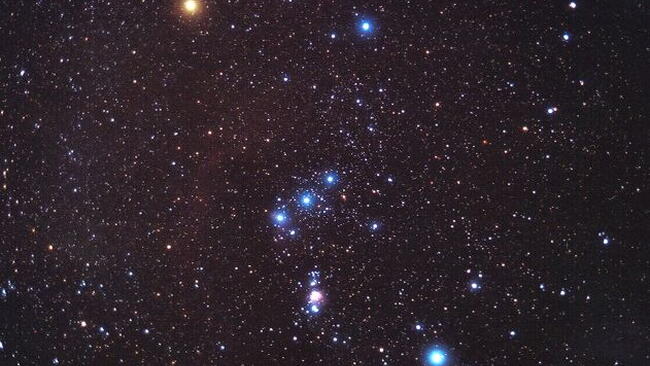
- Just look for the most recognizable constellation, Orion. Now look for the three stars of Orion’s belt. Follow the angle of the belt downward as it points toward bright Sirius.
The Year’s Latest Sunrises
You may recall that I’ve written about the earliest sunsets happening in early December—not at the winter solstice, which brings the shortest day (i.e., the fewest number of daylight hours).
Well, the latest sunrises in the Northern Hemisphere occur in early January. (In contrast, folks living in the Southern Hemisphere are now experiencing their latest sunsets.) See sunrise and sunset times in your area.
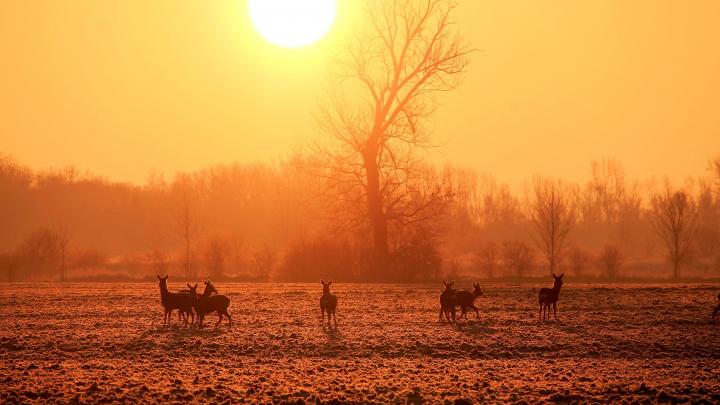
The reason for the timing of the sunrise and sunset is related to the tilt of Earth’s axis and the fact that Earth’s orbit isn’t a perfect circle. Read more about the seasons here.
Bottom line, the latest sunrises are now, so enjoy a good night’s sleep!

More Like This

Comments