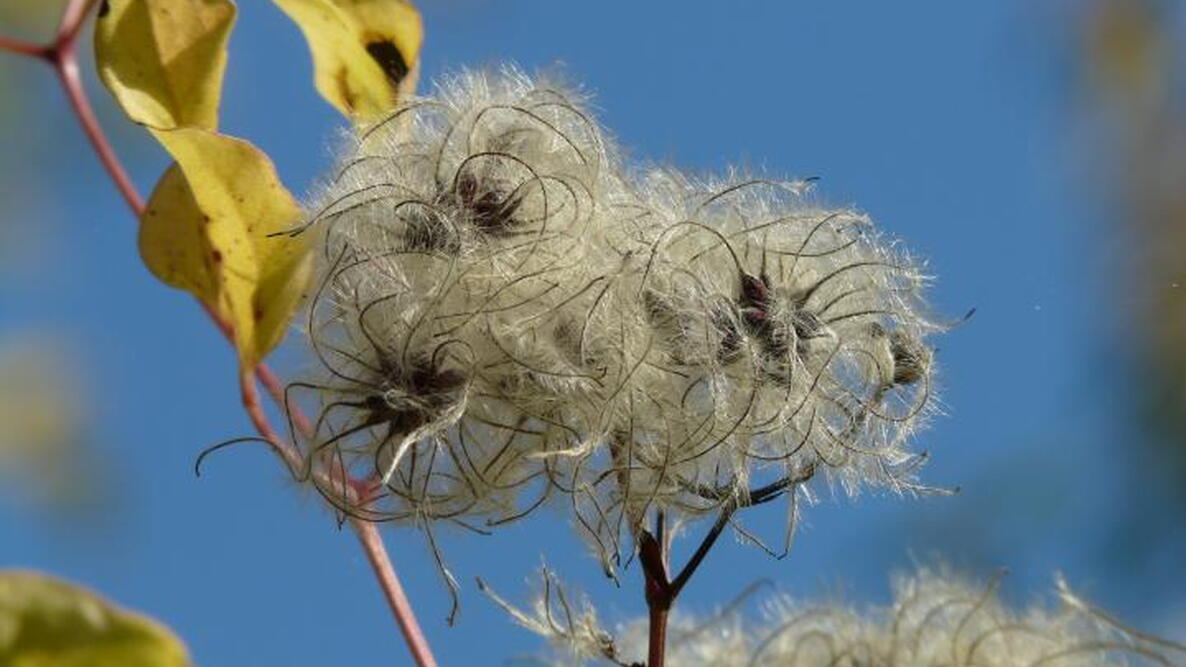

When the garden starts to fade in fall, don’t be too quick to cut everything back. Many plants with seed heads provide valuable food for wild birds through the winter months, while also adding unique beauty and texture to your landscape. From bright winterberry to cheerful coneflowers and whimsical clematis, these plants turn into a natural bird feeder right in your backyard. By leaving seed heads standing, you’ll create a bird-friendly garden that supports wildlife, reduces yard work, and brings life and interest to your outdoor space all season long.
Why Leave Seed Heads in the Garden?
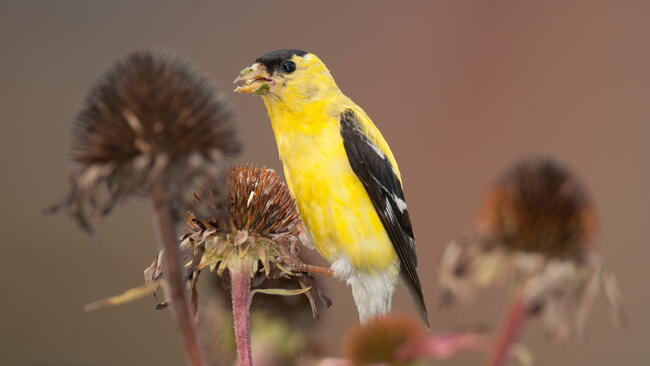
While bird feeders are always nice, wild birds like to forage for their own “bird food.” Plants with seed heads not only provide nourishment but also nesting material. Leave them standing through the winter!
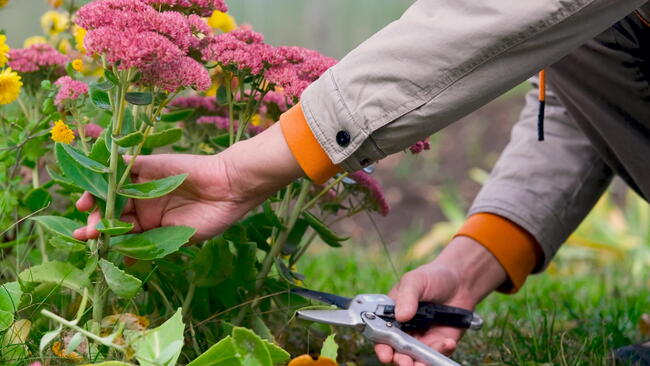
Flower arrangers and florists also know the value of dried seed pods and berries for winter arrangements, but instead of cutting them to bring indoors—and add to the clutter and dust catchers—I just let them stand. It gives me an excuse to wander around the yard and see how they are doing.
12 Plants With Seed Heads Birds Love
Winterberry
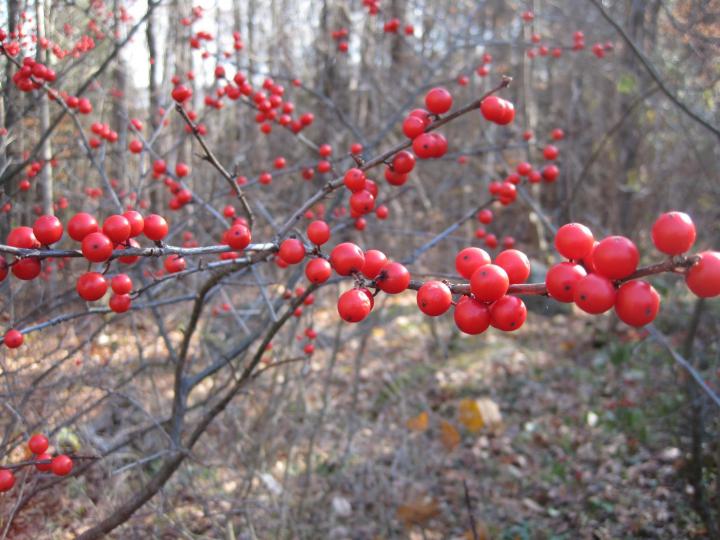
Winterberry is the brightest draw in the garden at this time of year. It is a native American holly that is a favorite among migrating birds. I try to add another bush to my collection every fall when they go on sale.
Lunaria
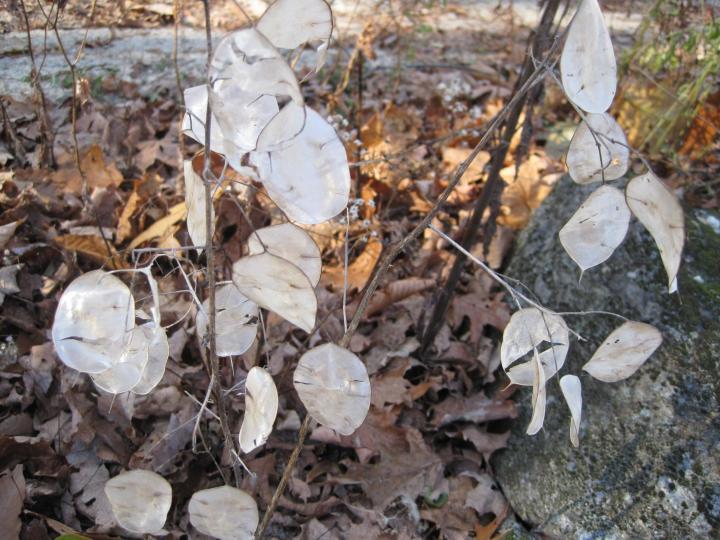
Lunaria shakes its papery silver dollars in the slightest breeze. They are a little fragile and will end up as tattered wrecks by the New Year.
Crab Apples
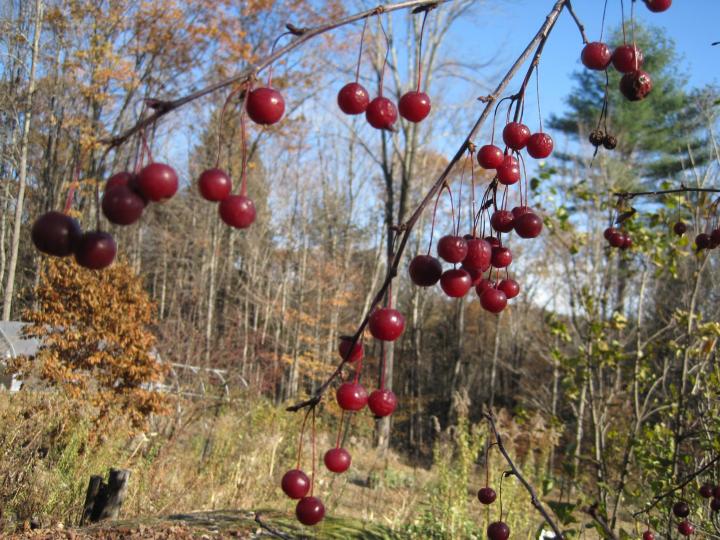
Crab apples seem to last the longest on the trees—until the robins finally swoop in and eat them in early spring.
Clematis
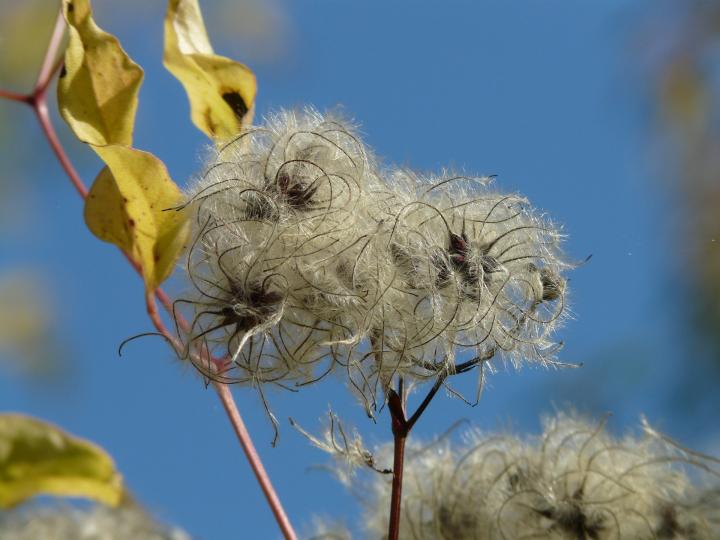
Clematis seed heads look like cheerleader pom-poms. I think they could have inspired some Dr. Seuss characters, too!
Chinese Paper Lanterns
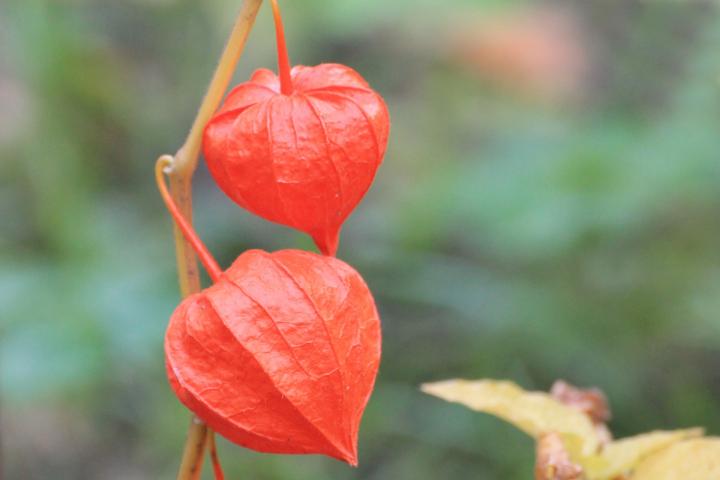
Chinese paper lanterns (balloon flowers) are still fairly bright, but eventually the papery covering will lose color and be reduced to just a skeleton.
Blackberry Lily
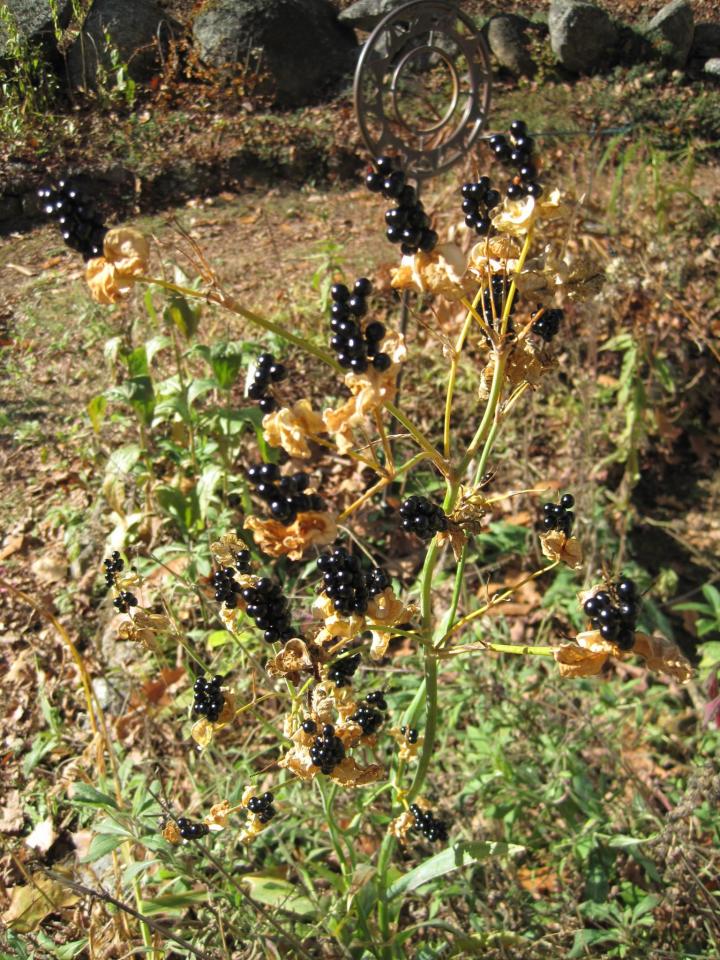
Belamcanda is called the blackberry lily for its fat, blackberry-like seeds. The stalks are sturdy enough to stand tall through most of the winter unless a heavy, wet snowfall takes them down early.
Love-in-a-Mist
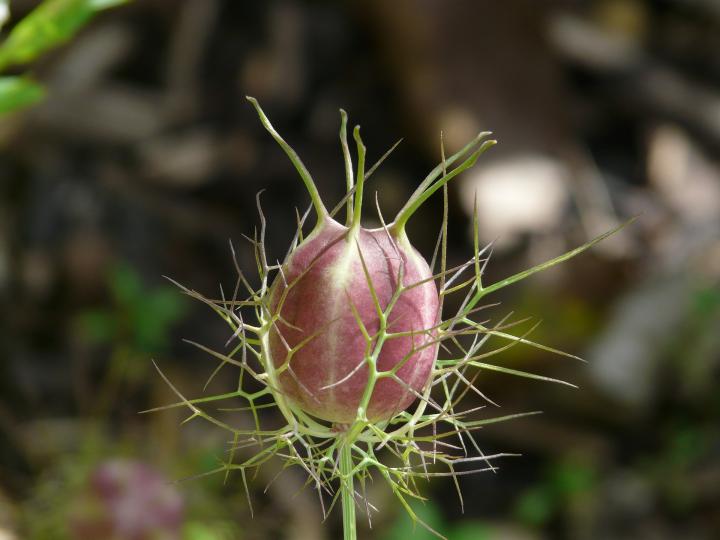
Nigella, also called love-in-a-mist, has a round seedpod that looks like a blowfish! An heirloom plant, its seeds were crushed and used to get rid of freckles. What’s so bad about freckles?
Teasel
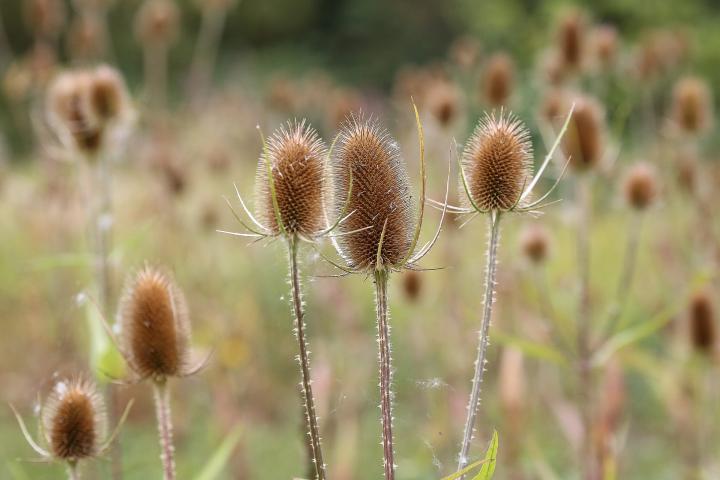
Teasel is another antique plant. It was grown commercially to be used for “teasing” or raising the nap on woolen cloth. The prickly seedpods look lethal, but birds can wrestle the seeds out from between the spikes.
Coneflowers
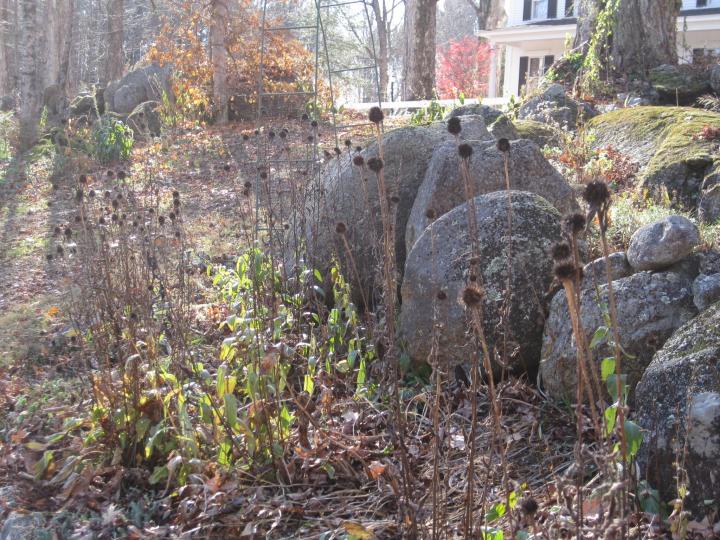
Coneflowers have dropped their petals, but the seed-laden central cones are still standing—much to the delight of the birds.
Sedum
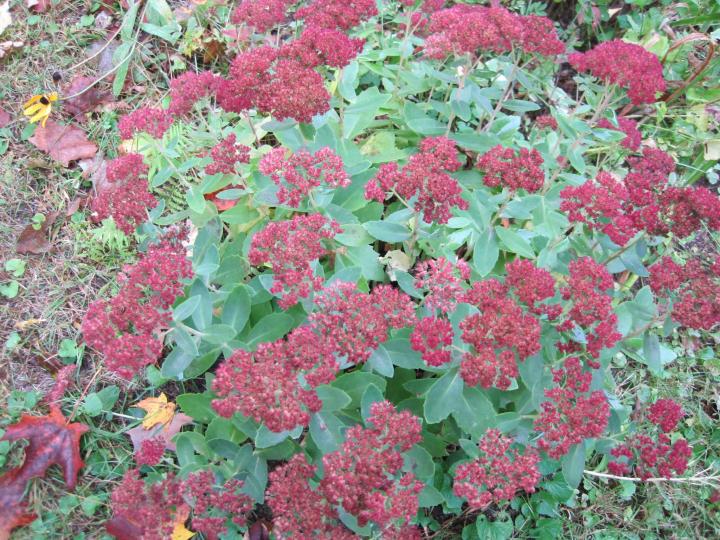
Sedum ‘Autumn Joy’ has wide, flat flower heads that age in color from pink to burgundy to deep copper. They tend to be top-heavy, especially when they have caught an inch or two of wet snow.
Anise Hyssop
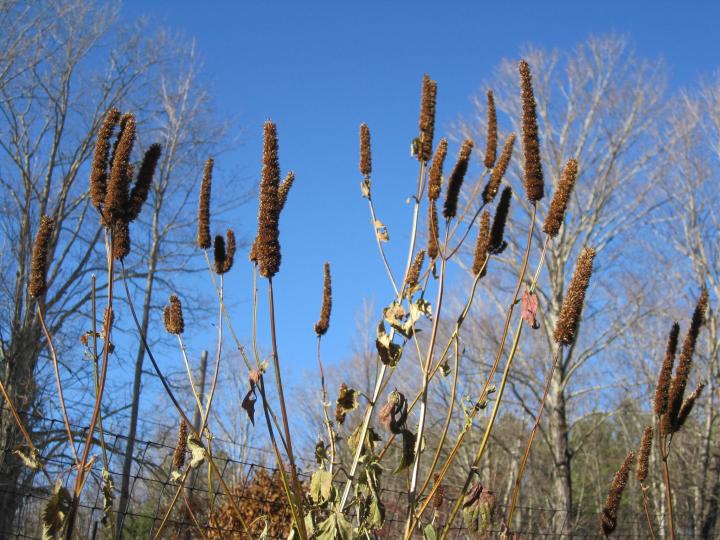
Anise Hyssop (Agastache) has the strongest architectural presence in the garden, still towering over me. Birds can perch on their bristly seed heads and chow down while also keeping a bird’s eye view of the garden.
Asclepias tuberosa
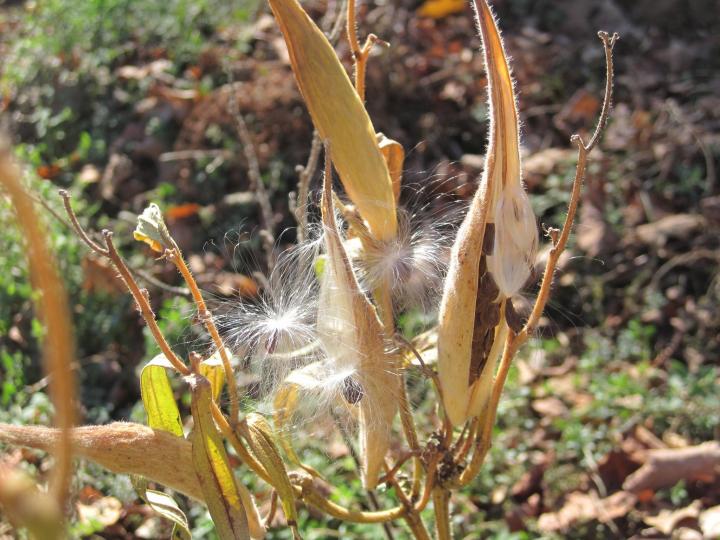
Asclepias tuberosa is a cousin of the common milkweed. It is only about 2 feet tall and forms smaller seedpods, but they still break open when ripe to release their seeds to the wind.
Check out our video for more plants with interesting seed heads:
More Benefits of Seed Heads in Winter
Leaving seed heads standing through the colder months does more than feed the birds. They bring several hidden benefits to your garden:
- Winter Beauty – Seed heads create striking silhouettes in the snow and frost, adding natural texture and interest when most plants have faded.
- Shelter for Wildlife – Hollow stems and dense seed heads can provide hiding spots for beneficial insects, butterflies, and even small critters through the winter.
- Natural Mulch and Soil Health – As seed heads and stems break down, they return organic matter to the soil, enriching it for the next growing season.
- Pollinator Support – Some native bees and insects overwinter inside plant stems, so leaving them intact helps preserve their habitat.
- Low Maintenance – Skipping the fall clean-up means less work for you now and healthier soil and wildlife later.
By resisting the urge to tidy up too early, you’re supporting both biodiversity and the beauty of your garden all year long.
Frequently Asked Questions
Why should I leave seed heads on plants in the fall and winter?
Seed heads provide a natural food source for wild birds and often add texture and interest to the winter garden. They also supply nesting material for spring.
Which plants have the best seed heads for birds?
Some great choices include coneflowers, sunflowers, sedum, clematis, winterberry, and teasel. Each offers seeds or berries that different bird species enjoy.
Will leaving seed heads make my garden look messy?
Not at all! Many seed heads, like sedum or ornamental grasses, add architectural beauty and interest. They also catch frost and snow beautifully.
Do seed heads attract other wildlife besides birds?
Yes, seed heads can also provide shelter for beneficial insects and pollinators, supporting a healthier ecosystem in your garden.
Should I cut back seed heads in spring?
Yes—once the food is gone and new growth starts, cut seed heads back to make room for fresh growth in your garden.
More Like This
Teasel is considered invasive in about a dozen states. Don't plant it until you check to see if your state is one of them.
Everything is invasive somewhere! Where I live in the frozen north neither plant is a problem. Before planting anything check to see what is on the invasive species list in your area.
In a perfect world the birds would eat all of those seeds and you wouldn't have to worry about the extra seedlings. If you deadhead the seedpods, don't do it too early or the seeds won't be mature enough to provide any nourishment for the birds. Let the seedpods dry after you cut them and they should open up and release the seeds easily. You could mix this collected seeds with other birdseed in a feeder. I'm not sure the birds would come in for pods left outside in a basket but you could give it a try!
- « Previous
- 1
- 2
- …
- 10
- Next »

Comments