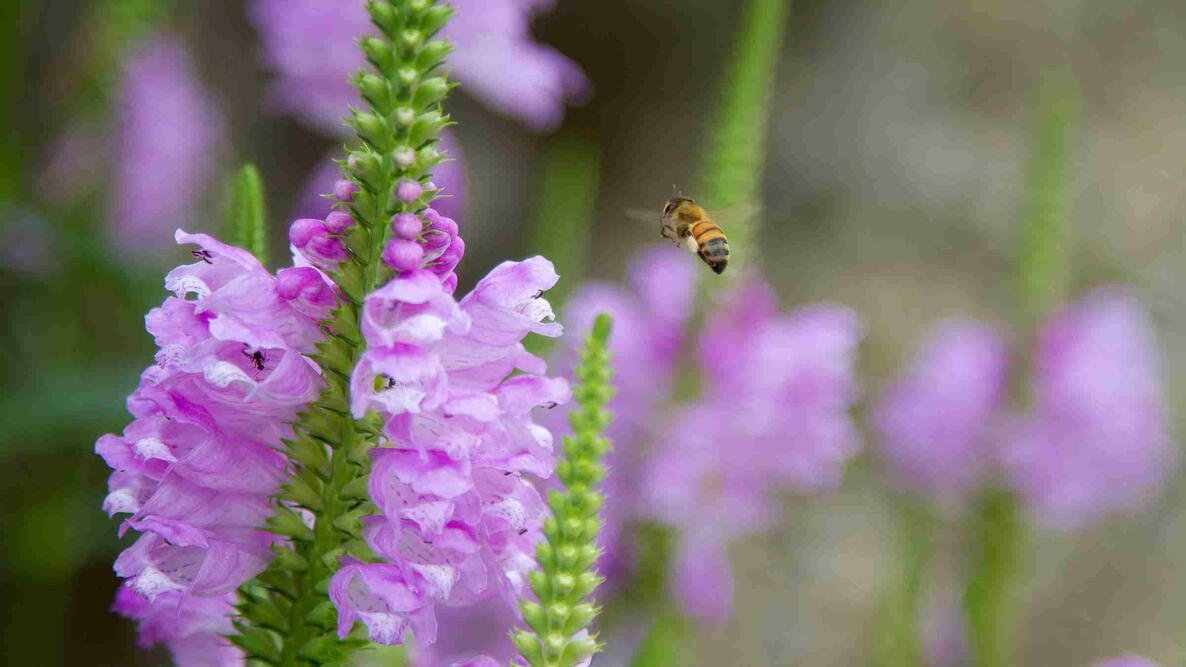
Caption
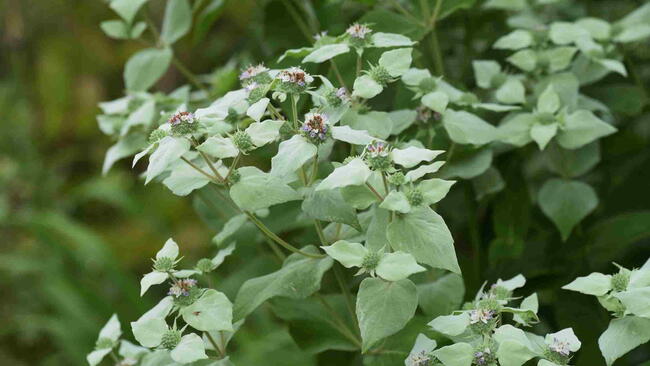
Obedient plant produces tall spikes of pink tubular flowers that attract bees and other pollinators from late summer into fall.

The obedient plant (Physostegia virginiana) earns its name in a charming way: move a blossom along the stem and it stays exactly where you place it. This North American native produces tall spikes of pink, purple, or white flowers that attract pollinators and make excellent bouquets from late summer into fall. A hardy perennial, it spreads readily to fill space in flower beds or naturalized meadows. In this guide, I’ll share my favorite tips for planting and growing obedient plant.
Once mature, obedient plants have upright stems bearing spikes of snapdragon-like flowers that bloom from late summer until the first frosts of fall. However, size-wise, they grow to about 2 feet tall. Like other members of the mint family, obedient plants spread quickly by rhizomatous roots and have square stems, making them relatively easy to identify.

But the main reason these native plants are prized in gardens is their pink, purple, or white tube-shaped flowers, which are fragrance-free yet irresistible to bees, hummingbirds, and other pollinators. In my own garden, I rarely plant obedient plant in mixed beds because it spreads so quickly. Instead, I prefer a raised bed where the roots are easier to manage. Obedient plant pairs well with other native perennials such as coneflowers and bee balm, and the tall flower stems also make excellent additions to late-summer bouquets.
Growing
Obedient plants are easygoing perennials that grow well in sunny garden beds with average soil and moderate moisture. Once established, they need little care—but gardeners often take a few steps to keep their enthusiastic spreading habit in check.

Light
Full-sun to partial-sun locations are best for obedient plants. If they don’t receive enough light, the stems can become floppy, and flowering may decline. In hotter climates, plants often appreciate some afternoon shade.
Water
Once established, obedient plants are relatively drought-tolerant but prefer evenly moist soil. Water once or twice a week while plants are establishing, then provide about 1 inch of water per week during the growing season.
If you’d like to slow their spread, allow the soil to dry slightly between waterings rather than keeping it constantly moist.
Managing Spread
Like many members of the mint family, obedient plants spread by underground rhizomes and can quickly fill open space. Planting them in raised beds helps keep their roots confined. Another trick to make obedient plant, well, more obedient is to sink a roomy pot into the soil and place the plant inside it so the roots can’t wander through the garden.
Deadheading spent flowers can prevent self-sowing and may encourage a second flush of blooms.
Is obedient plant invasive? No. Obedient plants spread readily in the garden, but because they are native to North America, they are not considered invasive in their natural range. Gardeners can easily keep it under control by thinning plants, dividing clumps, or growing it in raised beds or containers.
Soil and Fertilizer
Obedient plants grow rapidly in rich soil, so fertilizer is rarely necessary. Mixing compost into the soil at planting time is usually enough. In fact, heavy fertilizing can cause plants to spread more aggressively and produce weaker, floppier stems.
Seasonal Care
Obedient plants are naturally cold-hardy and usually require little winter care. Leave stems and foliage in place through winter to provide insulation for the roots, then cut plants back to the ground in early spring.
During the growing season, remove extra shoots in spring to control spreading. If plants begin to look tall or floppy, pinch stems back to about 3 to 4 inches above the soil line in early summer to encourage bushier, sturdier growth.
Dividing Plants
Every few years, divide obedient plants in spring to keep them vigorous and prevent crowded clumps. Dig up the plant, separate the roots into sections with healthy stems attached, and replant the divisions at the same depth at which they were originally growing.
Obedient plants can also be propagated from stem cuttings in the spring or from seeds collected from dried flowerheads in the fall. But the easiest way to get more obedient plants is to divide the plants you already own every few years. This will keep obedient plants blooming well and rejuvenate growth, preventing bald centers from forming over time.
Types
The native obedient plant (Physostegia virginiana) is widely grown in gardens, but several cultivars have been selected for improved behavior, color, or foliage.
- ‘Miss Manners’—a compact, well-behaved cultivar that spreads less aggressively than the species, while still producing spikes of soft pink flowers.
- ‘Variegata’—a striking selection with creamy white–edged leaves and pink flowers that add extra contrast in mixed borders.
- ‘Rose Crown’—known for its bright rose-pink flowers and strong upright growth.

More Like This

Comments