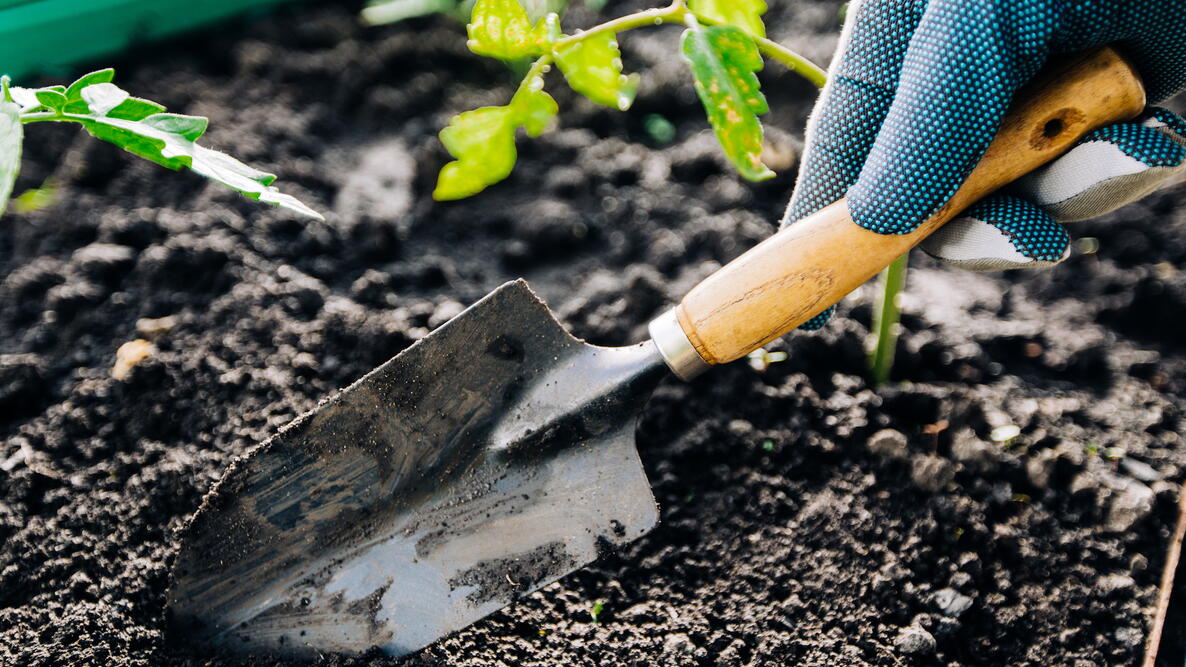
How do you know if your soil is well-draining?

How many times have you heard the advice to “plant in well-draining soil”? It seems like whenever you are shopping for plants or reading about gardening, the term well-draining soil always comes up as the best location for planting. What exactly is this, and how is it identified?
What Is Well-Draining Soil?
The ability of soil to drain depends on its structure. Soils that drain well have enough space between their particles to allow water and oxygen to flow freely. There are many circumstances that impact this structure and the ability of soil to drain, including:
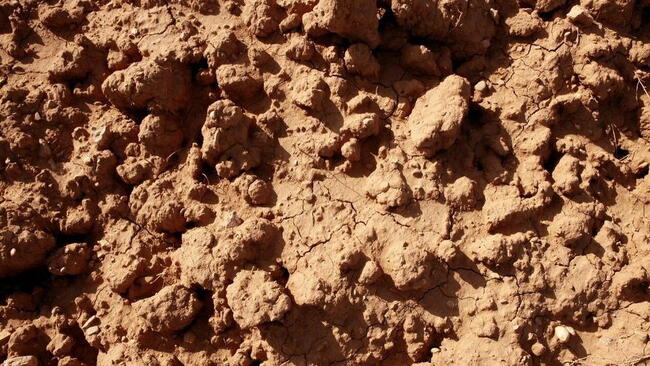
- Clay and silty soils are made up of small particles that are notoriously slow to drain. Unlike sandy soil, which drains too fast, they hold moisture to the point of being waterlogged. See more about gardening in clay soils.
- Even good soil that has been compacted either by heavy machinery or constant foot traffic also ends up with no room between the particles for water to flow.
- A low spot in your yard may have nowhere for excess water to go.
- Some areas of your yard may be constantly saturated by runoff from your roof and other impervious surfaces like the road or your driveway.
- Hardpan or ledge beneath the surface leaves no room for water to soak in.
- A naturally high water table will remain wet long after other areas have dried.
How to Test Soil Drainage at Home
Step-by-Step Drainage Test
If you want to know how well your soil drains, take this simple test:
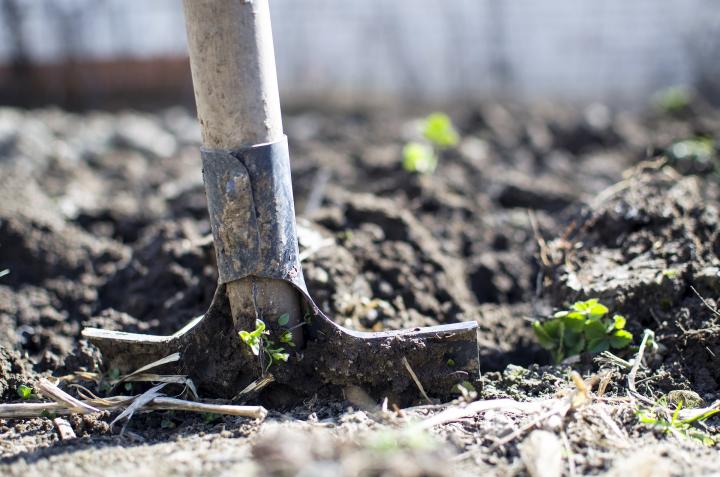
- Dig a hole that is roughly 12 inches square and 12 inches deep.
- Fill it with water.
- Once that water has drained out, fill it again, and this time stick a ruler in to measure how deep the water is.
- After 15 minutes, check the depth again to see how much it has dropped. Multiply the difference by 4 to get how fast it will drain in an hour.
Interpreting the Results
- 1 to 6 inches per hour draining out of the hole means your soil is well-draining! Congratulations!
- A less than 1-inch-per-hour drainage is considered wet, and if it drains faster than 6 inches per hour, it is dry.
Remedies for Poorly Draining Soil
Now that you know what you have to work with, there are some ways to remedy less-than-perfect soils.
Adding Organic Matter
Whether too wet or too dry, the best thing you can do is amend your soil by adding organic matter. Compost, shredded leaves, aged manure, and leaf mold are a few of the best materials for improving soil structure. Aim for 2 to 10 percent organic matter in your garden beds. Learn all about types of organic amendments.
Building Raised Beds
If hardpan or a high water table is the problem, build up by making raised beds filled with soil rich in organic matter.
Redirecting Water Flow
If redirection of water is all that is needed, create swales or channels to divert water from your planting area.
Planting Rain Gardens
Lastly, if the garden gods have given you a bog, make a rain garden using plants that actually thrive in soggy conditions. (See article on rain gardens.)
Soil Types and Drainage Rates: How to Improve Your Garden Soil
Not all soil drains the same—some hold water too long, while others dry out too fast. This chart compares soil types and drainage rates, plus tips for improving soil structure for a thriving garden.
| Soil Type | Particle Size / Texture | Typical Drainage Rate | Challenges | How to Improve Drainage |
|---|---|---|---|---|
| Clay | Very fine particles | < 1 inch per hour | Waterlogged, compacts easily | Add 2–10% organic matter (compost, leaf mold), build raised beds, create drainage channels |
| Silt | Fine, smooth particles | 1–2 inches per hour | Can crust over, slow drainage | Add sand and organic matter, aerate annually |
| Sandy | Large particles | > 6 inches per hour | Drains too fast, nutrients wash away | Add compost, mulches, and water-retaining amendments |
| Loam | Balanced mix of sand, silt, clay | 1–6 inches per hour | Usually ideal, may dry out on top | Add mulch to retain moisture, monitor compaction |
| Peaty | High organic matter | 1–3 inches per hour | Can be acidic, soggy | Mix with sand or compost, raise beds for better structure |
| Chalky / Alkaline | Coarse, stony | 2–5 inches per hour | Can be nutrient-poor | Add compost and organic matter, use acid-loving plants if needed |
Read more about building up and preparing your garden soil.




Comments