
We sell hundreds of vegetable starts each spring and always remind our customers to harden off the plants before planting them in the garden. Surprisingly, many people have no idea what hardening off means.
What is Hardening Off?
“Hardening off” is the process of getting your indoor-grown seedlings safely accustomed to life outdoors. One of the most stressful transitions for a tender transplant is to go from life in a cozy greenhouse, where it has been sheltered from the elements, to life in the great outdoors.
Our sales greenhouse is unheated, so the plants have been subjected to some cold night temperatures, but they have not been exposed to direct sun, pounding rain, or gusty winds. If the plants have not had time to acclimate gradually, they can suffer and even die, so don’t be in a rush to get them planted.

Instead, give them a couple of hours daily in a protected spot out of direct sun and bring them in at night. Each day for a week or so, expose them to a little more sunlight and wind until they can stay out all day and are “hardened off.” See steps below.
How Long Does It Take to Harden Off Seedlings?
It takes about one week to 14 days. If you think this is lost time, think ahead. The plants still grow as they transition to the garden, but you won’t stall or stunt their growth (or kill them!).
You simply need to back up one week from your outdoor planting date (which differs by crop or plant). For many plants, you’ll start hardening off a week before the final frost date in your area. See the Almanac’s Planting Calendar, which is based on average frost dates.
| Seedling Type | Hardening Off Time | Light Requirements | Notes |
|---|---|---|---|
| Tomatoes | 7–10 days | Partial sun → full sun | Bring indoors at night |
| Peppers | 7–14 days | Partial sun | Sensitive to wind |
| Lettuce | 5–7 days | Dappled sun | Quick acclimation |
| Cucumbers | 7–10 days | Morning sun → full sun | Watch for wilting |
5 Steps to Harden Off Your Plants
Think of your plants as if they were your children. Practice a little tough love now, and they will be ready to face the outside world soon.
Step 1: Choose the Right Seedlings
Choose seedlings that have grown at least a few sets of true leaves.
Step 2: Start Gradually Outdoors
Choose a mild, overcast day (no wind) when you remove the seedlings from their cozy greenhouse. Water the plants before they go outside.
Step 3: Protect from Sun and Wind
Choose a sheltered spot to place the seedlings. They’ll need protection from wind and dappled sunlight or partial shade. You can also cluster pots in crates, boxes, or buckets to keep the wind off. An unheated greenhouse could work, too. Just don’t place pots directly on the ground where they can easily be knocked over by birds or attacked by slugs.
The next day, leave them out for 2 more hours, with perhaps an hour’s direct sunshine in the morning.
Gradually increase the length of outdoor time over the next several days, gradually exposing them to more direct sunlight and wind. You can leave your seedlings out overnight if there’s no danger of frost.
Step 4: Monitor for Stress
Watch for wilting, leaf coloration, sunburn, dried-out leaves (wind), or any other signs of stress.

Please pay close attention to seedlings’ need for water since young plants in small pots dry out fast.
Step 5: Use Cold Frames or Floating Row Covers
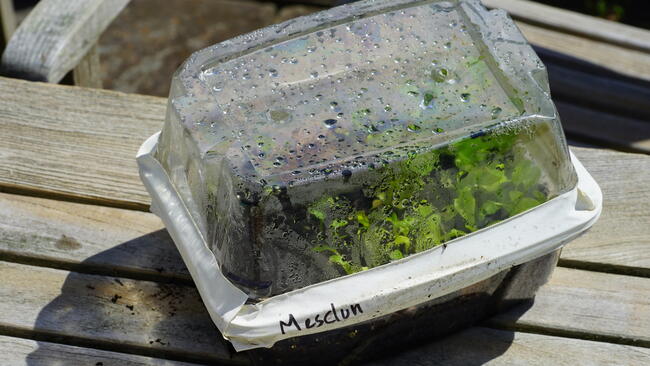
If you aren’t home to tend your plants, the easiest way to harden them off is to put them in a cold frame that you can open during the day and close at night.

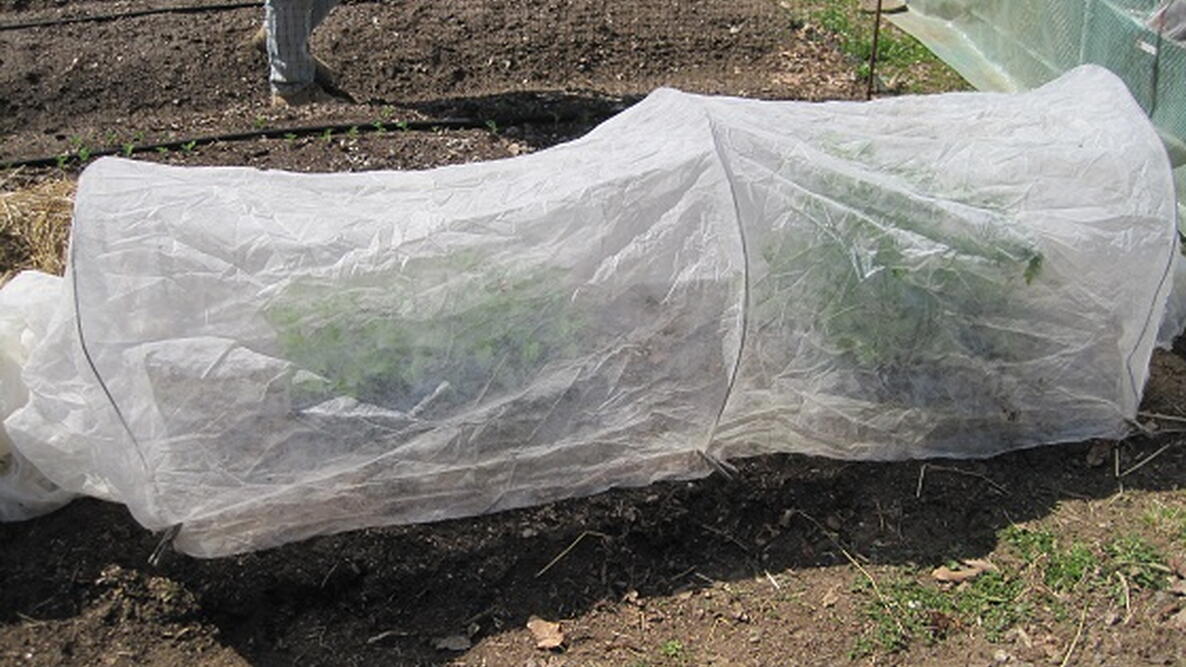
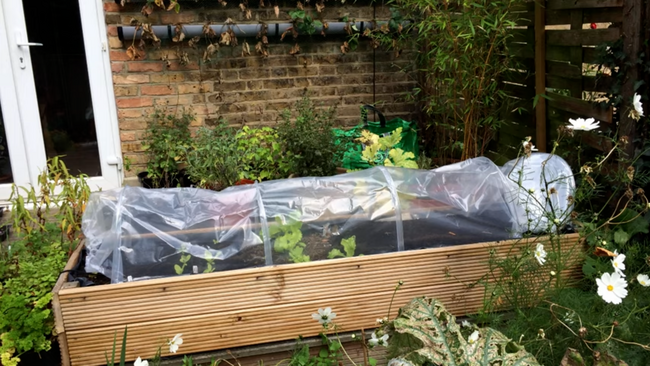
Or, place them under a protective layer of reemay—the spun-bonded polypropylene sheeting used for floating row covers. This material is lightweight and lets in sunlight, water, and air. It captures some warmth, raising the temperature a few degrees above the outside air. You can make a tunnel by bending lengths of plastic pipe or heavy wire into hoops, pushing the ends into the ground, and covering them with reemay.

Once crops have been planted into their final positions, be alert for unexpected cold snaps and cover tender crops if necessary. It’s a good idea to grow a few more plants than you need so you can hold some back, just in case. Bought plants may also need hardening off, especially if they have been kept in sheltered conditions.
See our video with a visual demonstration on how to harden off seedlings.
Is Hardening Off Necessary?
Yes, it’s pretty important, especially if you live in a location with high UV index exposure. Think of this as a transitional space for coddled plants. After 5 to 7 days of this treatment, they should be able to survive a move to the big garden!
However, if you are already growing your plants under intense LED grow lights that boost the light levels, they may take less time to transition to direct sunlight. Some LED grow lights include artificial UV light yields, which growers have reported take even less time.
Further, you can increase the odds of seedling survival if you plant in the afternoon on an overcast day. Or set out in the shade or under a tree. Or, use a shade cloth or a layer of netting that offers 10% or 20% shade for a few days.
Frequently Asked Questions
Why is hardening off seedlings important?
It gradually acclimates indoor-grown seedlings to sunlight, wind, and outdoor conditions, preventing stress or plant death.
How long does hardening off take?
Typically 7–14 days depending on plant type and weather conditions.
Can I leave seedlings outside overnight?
Only if there’s no risk of frost. Start with short daytime exposure first.
Can I speed up the process?
Gradual exposure is key. Using shade cloth, partial sun, or a cold frame helps protect plants while acclimating.
Here at the Almanac, we always advise patience. Never been in a rush to plant. Enjoy the process of nurturing growth and avoid shortcuts. That said, we’re always open to anyone who has tested new methods! Let us know about your experiences hardening off seedlings.
The next step is to read how to transplant your seedlings successfully!
More Like This

Comments