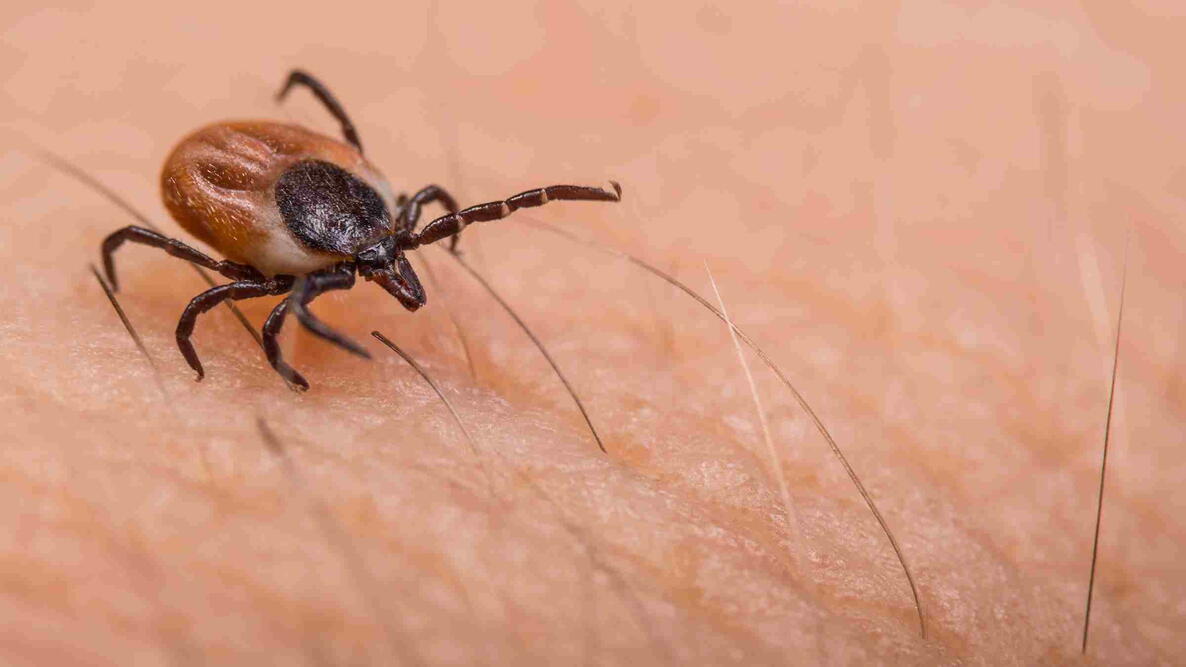
Caption
Crawling deer tick.

I love spending time in my garden, but ticks have a way of changing my plans. These tiny pests aren’t just annoying—they can make outdoor spaces unsafe. This gardener’s guide shows you exactly how to reduce ticks in your yard, protect yourself and your family, and enjoy your garden safely.
Even a short walk through my yard in late spring or early summer can leave a dozen ticks clinging to me. Other regions see spikes in late summer and fall. Ticks hide in grass, shrubs, and leafy edges where gardeners spend the most time, but there are proven steps—from landscaping to personal protection—that can help you reclaim your outdoor space.
What Are Ticks and Why Gardeners Should Care
Ticks aren’t insects—they’re arthropods, relatives of spiders and mites. They need a host, like humans, pets, or wild animals, to feed and complete their life cycle: egg → larva → nymph → adult.
As gardeners, spending hours in perennials, shrubs, and garden edges puts us squarely in their path. I’ve learned that ticks are remarkably good at finding hosts. They sense body heat, odors, and vibrations, then “quest” from vegetation to attach. When a host approaches, the tick waves its front legs to grab on. They can’t fly or jump, which is why we often say we “picked up” a tick.
In the U.S., the most common ticks gardeners might encounter include:
- Deer ticks (blacklegged ticks) – active in spring, summer, and fall
- Wood ticks (American dog ticks) – more active in late spring and early summer
- Lone star ticks – often found in wooded or brushy areas, active in warm months
For a too-long list of tick-transmitted diseases and some up-close and disturbing images of many different kinds of ticks, check out this handbook by the Connecticut Agricultural Experiment Station.

Where Ticks Hide in Your Garden
Tick hotspots often overlap with areas gardeners love:
- Ornamental grasses and perennial beds
- Shrubs, hedges, and naturalized borders
- Wooded edges and windbreaks
- Leaf litter and brush piles
Most ticks stay near yard edges, where they can climb up to wave their little legs around and snag our clothing when we walk by.
While we often encourage these areas to support pollinators, create privacy, or enjoy a natural look, they also create ideal habitats for ticks.
How to Reduce Ticks in Your Yard
Ticks prefer shady, high-humidity areas, and two of their most common hosts are mice and deer. Addressing those two issues is the best way to reduce the number of ticks in your yard. As if I needed another reason to chase the deer away from my garden.
Keep Grass Short and Garden Edges Tidy
I love a more natural, less manicured look, but high-traffic areas need attention. Mowing lawns, trimming overhanging branches, and keeping groundcovers away from patios and paths reduces the shady, humid zones ticks love. I also keep weeds under control along fences and around buildings.
Remove Leaf Litter and Brush
After fall or spring cleanup, I chip or mulch leaves and brush piles, compost them, or turn them into leaf mold. Piles of leaves and brush attract mice and provide ticks with a cozy shelter.
Create Dry, Sunny Zones
Ticks avoid sunlight. By thinning shrubs and tree canopies, I let sunlight reach the ground and dry out soil, discouraging tick activity. Even small openings that allow sun into shady corners create “tick-free” zones where I like to work or sit.
Use Tick Tubes
This is actually pretty neat. Ticks in the larval and nymph stages often use mice as hosts. Permethrin kills ticks, but how to get it on them? Well, employ the mice!
Tick tubes are cardboard tubes stuffed with permethrin-treated cotton or dryer lint. The mice take the treated fibers to line their nests, and the permethrin gets rubbed onto their fur. When ticks try to bite the mice, they are killed by the permethrin. Check out this pamphlet for instructions on how to make DIY tick tubes and when and where to place them.

Tick-Resistant Landscaping Ideas
Most ticks are found along lawn edges, wooded borders, or dense shrubs—areas we often love as gardeners. You can reduce exposure with simple landscaping changes:
- Keep firewood piles away from the common-use areas of the yard.
- Trim tree branches to allow more sunlight to reach the ground.
- Avoid thick groundcover plants near patios, paths, and backyard play areas.
- Space plants to allow for airflow, reducing humidity and increasing sunlight.
Plants That May Help Deter Ticks
We’d love to find plants that we could use to keep ticks out of our yards, but despite the tons of blogs suggesting this or that plant, there isn’t much scientific evidence that any particular plant can keep ticks out of our yards.
No plant guarantees tick-free zones, but strongly scented plants—lavender, rosemary, peppermint, and artemisia—may help reduce tick encounters and add beauty to your garden.
Mulch Borders as a Tick Barrier
Gravel or wood chip mulch borders along the edges of the yard can help deter ticks from waltzing into your yard. They don’t kill the ticks, but instead create a twofold effect by altering the microclimate to be hot and dry instead of shady and moist, and by creating a visual reminder for people not to cross into the “tick zone.”
Create a gravel or wood-chip mulch border that is at least 3 feet wide along garden edges. Keep it weed-free. I use these borders as both a practical deterrent and a visual reminder to stay out of tick-prone areas.
Personal Protection While Gardening
Even with the above measures, ticks will find their way into your yard. I live in the middle of the woods, in prime tick country, and work outside at least part of every day during spring, summer, and fall. I find that preventing ticks from biting me comes down to two main actions: using repellent and performing tick checks.
Use DEET
Repellent sprays containing DEET have been proven highly effective at discouraging ticks. I have found through experience that the lower concentrations are less effective.
Sprays with 40% DEET work best for discouraging ticks. I don’t like it, and I’d prefer another solution, but I like ticks (and their diseases) even less. I apply it to exposed skin before heading outside.
Treat Clothing With Permethrin
I wear permethrin-treated pants and long sleeves during peak tick season. I have watched ticks jump onto my legs when wearing treated pants, wander about for a few seconds, and fall off. Supposedly, they are paralyzed and will die shortly thereafter, which suits me fine.
I’ve been in the woods with untreated clothing and picked off more than fifty ticks, but the next day, with treated clothing, I found only one or two. During high tick season, I’ll tuck my treated pants legs into my socks, tuck in my treated shirt, wear a hat, and spray my exposed hands and neck with repellent. Light colored clothing makes it easier to spot ticks and pluck them off as they crawl.
The Daily Tick Check
Repellent is good, but the real key to preventing tick problems is a thorough tick check. It’s a process rural folks are often quite familiar with. Follow these steps carefully:
- Find a partner or a mirror – You’ll need help checking hard-to-see areas.
- Start at your toes – Inspect every inch of your feet, ankles, and legs.
- Check all folds and creases – Ticks can attach in the groin, belly button, underarms, or behind knees.
- Inspect moles and skin irregularities – Make sure nothing unusual is hiding.
- Work your way up – Check your torso, back, arms, and hands.
- Check the hairline and scalp – Wood ticks especially like to crawl into hair before settling.
- Double-check everything – Ticks are tiny; take your time.
Tip: Doing a daily tick check, especially after spending time in perennials, shrubs, or leaf litter, is the best way to prevent bites.

Check Pets and Outdoor Gear
Pets can bring ticks indoors, so I check them regularly. I also toss outdoor clothing worn in tick-prone areas into the dryer to kill any lingering ticks.
Finally, ticks can hide in your clothing. Toss any clothes you wore in tick country into the dryer for an hour to kill the ticks.
FAQs About Ticks in the Garden
Do ticks survive in winter?
Yes, ticks live through the winter, even in the coldest parts of the country. Wouldn’t it be nice if they didn’t? In my location, winters typically drop to 30 degrees below zero every January and February, and we still have a bumper crop of ticks in spring.
Can ticks live on vegetable plants?
Yes. Ticks may climb any vegetation while questing for a host, including vegetables. They do not feed on leaves, but taller plants and garden edges are common spots.
They crawl up plants in a behavior called “questing.” Instead of dropping from trees, ticks climb up low-lying vegetation and wait to latch onto a passing animal or person.

Are ticks more common in shady or sunny areas?
Ticks prefer shady, humid spots but can be found anywhere. Spending time in sunny, well-kept parts of your yard reduces exposure.
Stay Tick-Safe and Enjoy Your Garden
Ticks are part of the garden ecosystem, but that doesn’t mean they have to ruin your time outdoors. By combining smart landscaping, personal protection, and daily tick checks, you can keep your yard safer for yourself, your family, and your pets.
Remember: even a few small steps—like keeping grass short, adding sunny mulch borders, or inspecting your pets—make a big difference. With a little vigilance, you can enjoy your perennials, shrubs, and pollinator-friendly spaces without worry.
So go ahead, get your hands in the soil, tend to your flowers, and reclaim your garden from these tiny, leggy invaders—because a beautiful yard should be enjoyed, not feared.

More Like This





Comments