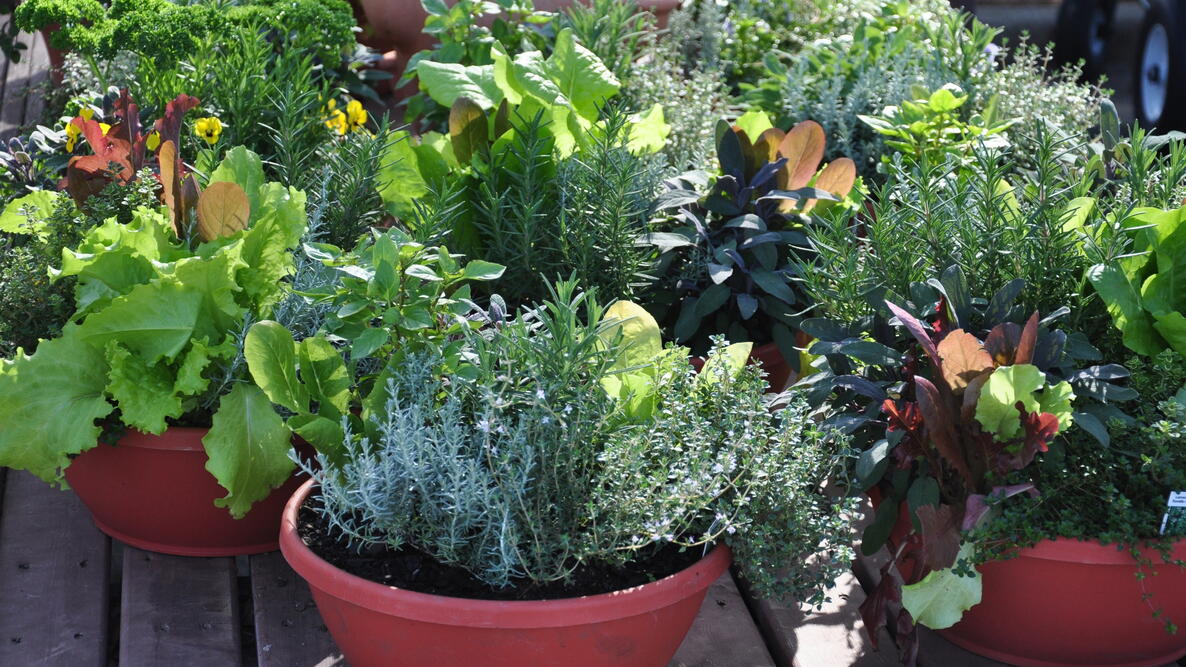

Think patio gardening is just for spring and summer? Think again! Fall is secretly the perfect season for container gardening. From crisp lettuces and colorful mums to cozy fall decor, your patio can become the ultimate autumn retreat. With just a few pots and plants, you’ll have a garden that’s as practical as it is Pinterest-worthy.
Why We Love Fall Patio Pots
We know it may sound odd to talk about starting a container garden in the fall, but it’s actually the perfect time for pots: There are fewer bugs and diseases, you’ll likely need to water less frequently due to cooler temps, and there’s less of a chance that you’ll have sweat dripping into your eyes while you tend your plants. (That’s why fall gardens are perfect for beginners.)
As for why that garden should be on your patio, we have one word for you: convenience. Growing plants on your patio puts delicious vegetables, tasty herbs, and beautiful flowers right outside your door. Plus, being close to the house provides your plants with protection from wind and other harsh weather.

Simple Steps for Fall Patio Gardening
Follow these simple steps, from picking the right plants to choosing your containers to potting up!
1. Pick Your Patio Plants
Select plants that do well in cool weather, match the sunlight available on your patio or deck (check the seed packet or plant tag), and, most importantly, that you like to eat or look at.
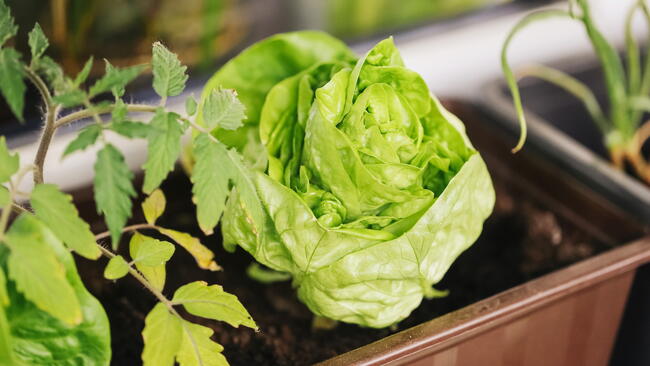
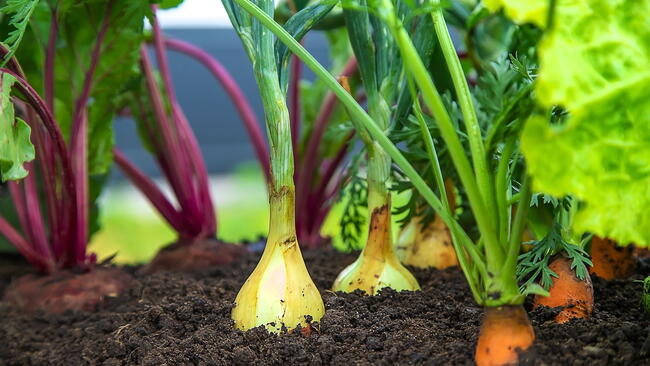
- If your goal is to plant a cool-weather container vegetable garden, choose greens like lettuce and kale, quick-growing root veggies like radishes and carrots, or chilly weather-loving herbs, like chives, parsley, mint, and thyme.

- To add a burst of color to your patio, plant some fall annual flowers in containers like pansies, mums, ornamental kale or cabbage, or snapdragons.
| Type | Plant Examples | Sun Needs | Notes |
|---|---|---|---|
| Vegetables | Lettuce, Kale, Spinach, Carrots, Radishes | Full sun to partial shade | Kale and carrots get sweeter after a light frost. Radishes mature quickly (25 to 30 days). |
| Herbs | Chives, Parsley, Mint, Thyme | Full sun to partial shade | Mint spreads—best to keep it in its own pot. Parsley is very cold-hardy. |
| Flowers | Pansies, Mums, Snapdragons, Ornamental Kale | Full sun | Pansies bloom even in chilly weather; mums bring classic fall color. |
| Decorative Additions | Pumpkins, Gourds, Dried Corn Stalks | N/A | Not edible (unless you choose cooking pumpkins), but perfect for seasonal décor. |
Or, plant a little bit of everything! That way, your patio will be beautiful and functional—a definite win-win. For more fall plant ideas, check out 20 Plants and Flowers for Fall Containers.
2. Choose Your Containers
Now that you know what you want to grow, think about the kinds of pots that best match your plants’ needs. Start by considering your personal style.
- Do you want a uniform look to your plantings?
- Is there a color palette you prefer? Or, do you have a more eclectic style and prefer to mix things up?
- Also, look at the space available. Is there room on the floor? Can you find space along a railing? Are there side tables you could set plants on?
- Could you add hooks for hanging baskets?
Whatever you choose, make sure the pots give your plants room to grow and have drainage holes.

3. Design Your Space
Go on, take it a step further and think about how you can use fall containers to turn your patio into somewhere you’ll actually be itching to spend time.
- Consider clustering plants in groups of three (put the biggest plants in the back) to create a colorful corner or focal area.
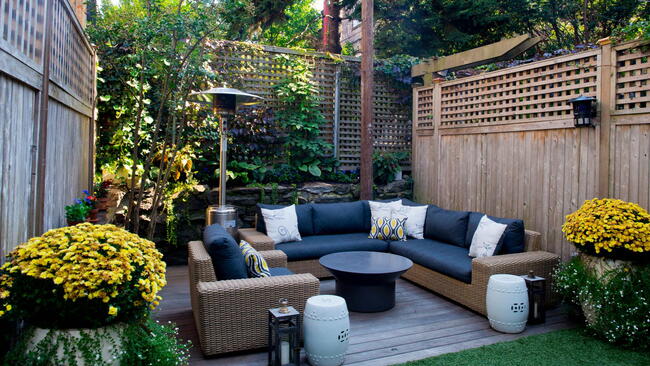
- Taller plants can be used to form a beautiful divider to separate your space into cozier areas—move the furniture around, grouping chairs and other seating to form inviting “rooms,” perhaps with different plant themes.

- Use pots to frame the entrance to your front door or from your back door onto the patio, or to flank a walkway. In this case, create symmetry so the planters on each side are similar in style or color.
- Containers can also be used to create the feeling of more privacy. For example, even if you have a fence between you and your neighbors, you can mask the fence with greenery, or you can use containers to create a focal point that’s closer to your sitting area.

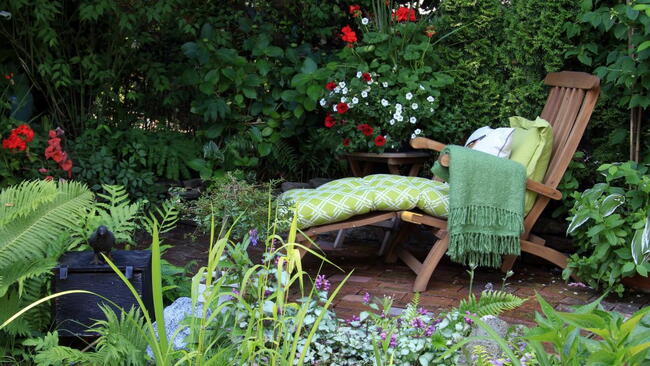
- Don’t be afraid to think beyond the plants, too. Add twinkly lights, lanterns, or candles, and toss a rug on the floor and throws on the chairs for warmth.

- Last, but certainly not least, celebrate the fall season in style by interspersing pumpkins, gourds, and dried corn stalks in and around your plantings.
4. Plant Your Pots
For pots, we use potting mix, which is lightweight and contains nutrients that your plants need to grow strong. Don’t use soil from your in-ground garden or yard—it’s too heavy.
Use high-quality potting mix to give plants the best possible start. Or, save some money by learning how to make your own potting mix.
Once everything is planted, be sure to water your new plants to settle them in.
5. Check Your Plants Daily
Give your plants some love! In fact, take a look at them every time you walk by!
- Water them whenever the top inch of growing medium is dry.
- Make sure they’re getting enough sunlight.
- Give them liquid plant food every couple of weeks to replace the nutrients they’re taking from the potting mix.
- You may also want to do a bit of pruning to keep plants small, take off dead flowers, encourage herbs to grow bushier, or remove leaves or branches that show signs of disease.
6. Be Prepared for Frost
If you grow in the fall, you’re naturally going to be dealing with some pretty chilly weather. While a light frost is usually no problem and can actually make some vegetables taste sweeter (we’re looking at you, kale), a hard frost can harm even cool-weather plants, especially if they are young.
To protect your plants, have a frost blanket or an old sheet on hand that you can drape over the pots (try not to touch the plants).
Another option is to cover each plant with a large, overturned plastic nursery pot (the kind you got your plants in) at night—just be sure to take those off when it warms up in the morning.
You’ve used that trusty patio all summer, so why stop now? With just a bit of time and effort, you can create a fall patio garden that will bring you joy—and fresh produce—for weeks to come.


More Like This

Comments