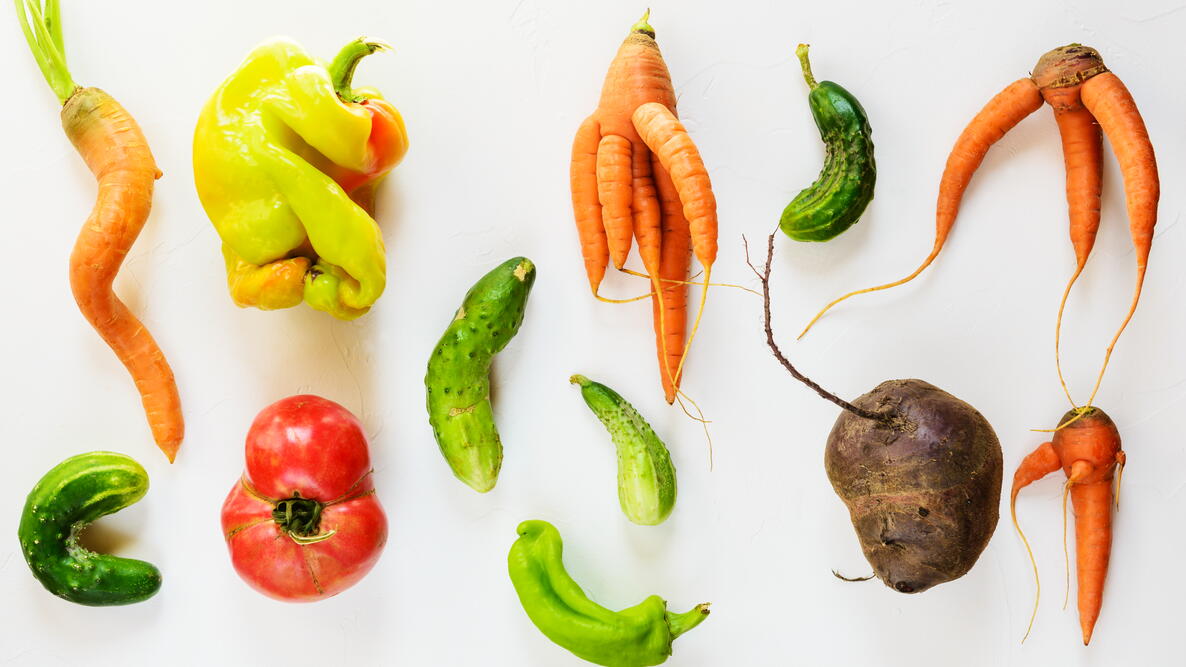

If this was your first year growing garden fruits and vegetables, you probably have found that much of your homegrown produce does not look like what you see in the store. Don’t be discouraged! It’s what’s on the inside that counts! Learn more about that “ugly” produce.
Experienced gardeners know that imperfect produce is actually more normal and natural than the grocery store specimens, which are often aesthetically perfect.
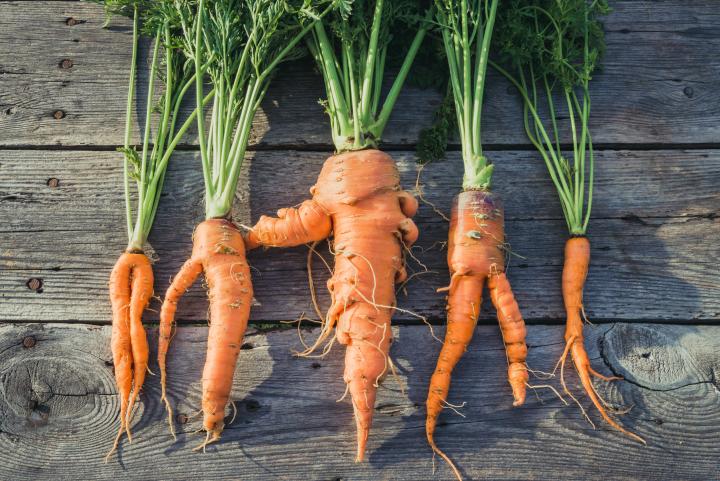
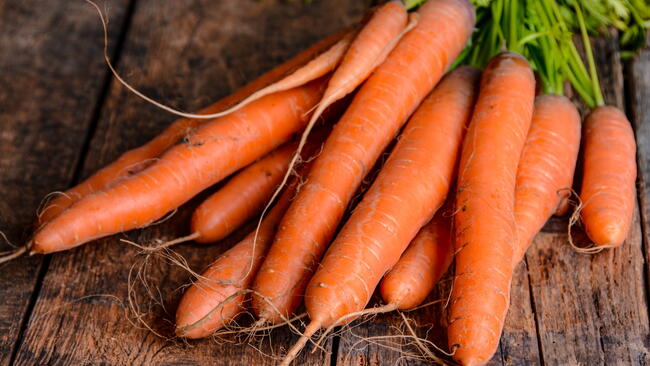
- There is nothing wrong with twin-rooted carrots—even though they look as if they could get up and walk away, they are just as delicious as a straight one.
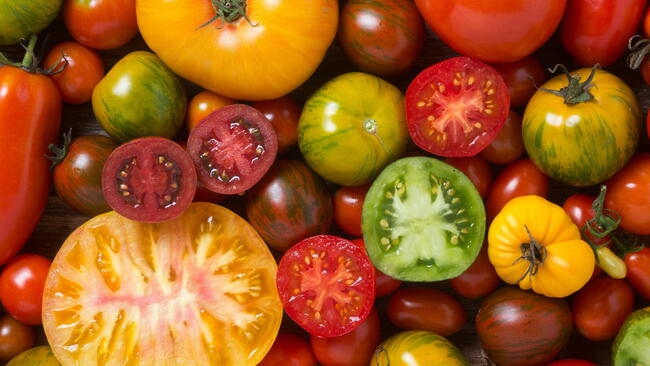
- Don’t shy away from odd colors either. Potatoes can be red, purple, yellow, or blue. Carrots don’t have to be orange, and not all tomatoes are red.
If you are a CSA member, your fall baskets will include lots of root vegetables, so get ready for weird shapes and small imperfections. After peeling and cutting away the imperfections, you will be left with plenty to eat.
A Matter of Education
We have found that the shoppers at our own farmer’s market stand continue to prefer round red tomatoes to funky-looking heirlooms, even though we work hard at educating them, giving away samples, and offering taste tests.
Some perceptions are hard to change, especially where food is concerned. It is rumored that 1 in 5 fruits and vegetables grown by commercial farmers don’t meet the cosmetic standards of the grocery stores. Much of the produce is used to make processed foods, but some is left to rot in the field. This is not just criminal when you think about people who could use that food but also in terms of the resources, like water, that are wasted and the damage to the planet in terms of chemicals used and carbon dioxide released.
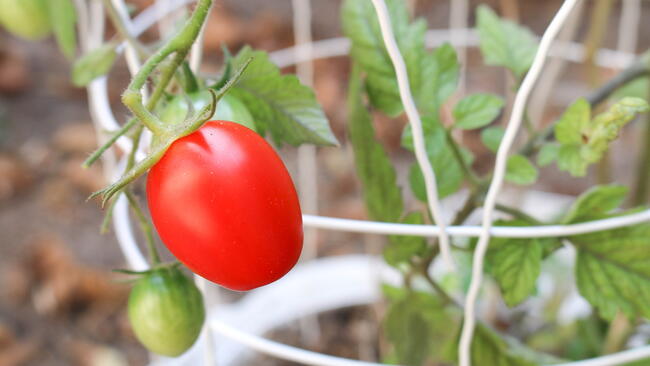
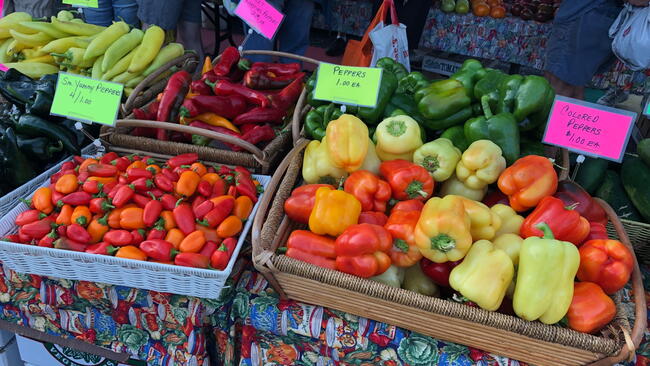
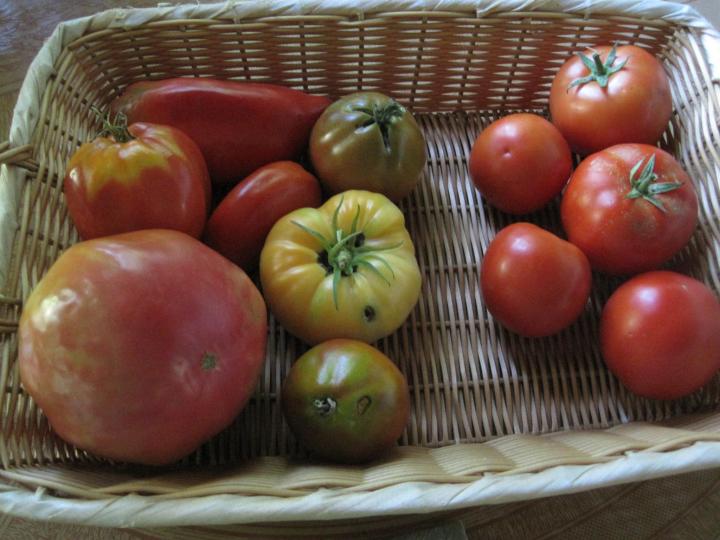 Image: Which would you choose? Round and red on the right or funky heirlooms on the left?
Benefits of Imperfect Produce
Vegetables and fruits that are imperfect often have many benefits over perfect produce. Ugly food is:
- Just as healthy as perfect produce with the same nutritional value.
- May taste better. (To create that perfect tomato, it’s often at the expense of freshness and flavor.)
- Usually grown with fewer pesticides and chemicals.
- Costs much less.
Fall is for Great Deals
Fall is time to stock up on great deals. Go to farmers’ markets and look for seconds like imperfect tomatoes for canning or misshapen apples that don’t make the grade. How much imperfection you are willing to put up with is up to you.
- If you are going to make applesauce, you can easily cut out the bad spots before cooking, but if you have to throw away too may entire apples then the bargain is lost.
- A bushel of squishy tomatoes is no bargain either. They should be ripe but still firm to the touch, or the bottom of the basket will be tomato sauce before you get it home. If you invest in a boatload of fruit, make sure you have a game plan ready to implement immediately. Those seconds won’t last forever!
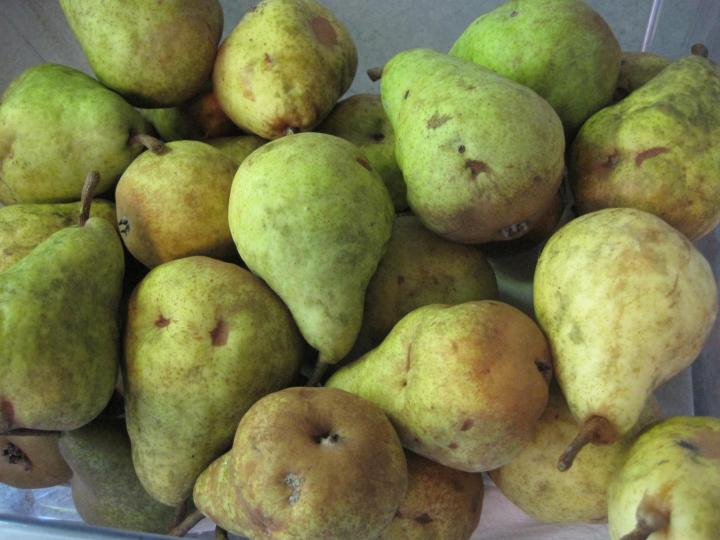 Image: Our organically grown Bartlett pears are not pretty to look at but taste wonderful!
Gleaning Groups and Upstarts
There are gleaning groups that harvest these leftovers and make them available to food pantries, and enterprising entrepreneurs have picked up on this corner of the market, buying unsellable produce from the farmers and repackaging it for sale online to consumers. With names like Odd Bunch, Imperfect Picks, Wonky Foods, and Misfits Market, they are upfront about the source and condition of their produce and deliver the food right to your door. It is estimated that about 11% to 16% of the 20 billion pounds of food going to waste each year is at the farm level. Read more about the Beauty of Gleaning.
Over-production by farmers isn’t the only source of waste. Think about the perfect produce that goes unsold because it outlives its sell-by date. Luckily a lot of this is being funneled to people who need it instead of being tossed. The biggest source of waste is at the consumer level. Some groups say that 50% of all produce goes uneaten, mostly at home or in restaurants. People who grow their own food waste the least.
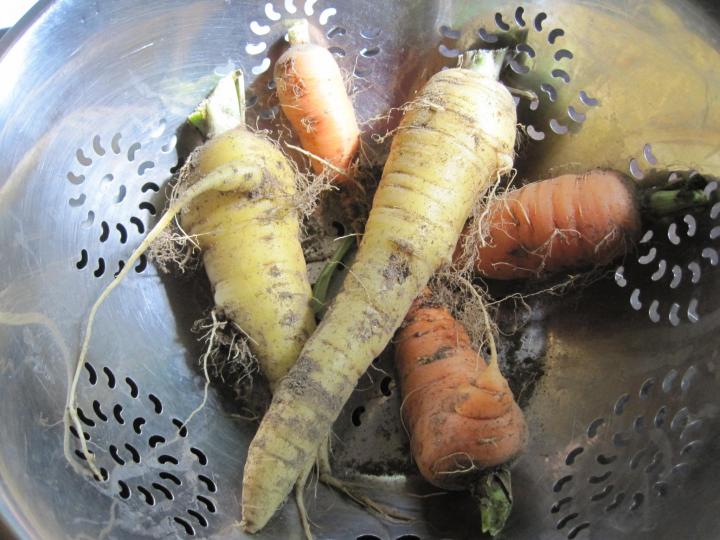 Carrots aren’t always straight and orange!
So, Why Are My Veggies Oddly Shaped?
If you are a gardener, don’t be concerned if your fruits and veggies are growing in unusual shapes. Some of this is nature. Some is due to environmental conditions such as inadequate pollination. Some is due to your learning curve: the soil wasn’t loose and sandy enough for carrots to reach straight down. You couldn’t bring yourself to thin seedlings so your vegetables were overcrowded. Some of it is due to unrealistic expectations: Garden broccoli just doesn’t have the massive heads you find in grocery stores (but it tastes much better!).
What about cracks in your tomatoes from too much watering? Or blossom-end rot on your peppers? It’s completely safe to cut away the affected areas of the fruit and eat the rest.
After all the time and effort we have put into growing a misshapen carrot, you can be sure that we are still going to eat it. It doesn’t have to be perfect to taste good. As my father used to say, “You’re just going to eat it, not marry it!” The funkier fruits can be used creatively to make soup, salsa, sauces, jams, smoothies, juices, and relishes.
Extra produce can always be donated to your local food pantry. Happy harvesting!
- « Previous
- 1
- 2
- …
- 10
- Next »

Comments