Looking for a natural way to boost plant growth and improve soil health? Compost tea is a nutrient-rich liquid fertilizer made by steeping compost in water, allowing beneficial microorganisms and nutrients to infuse into the mixture. Gardeners have long used compost tea to strengthen plants, enhance soil structure, increase water retention, and help protect against pests and diseases. Whether you’re growing vegetables, flowers, or shrubs, learning how to make and use compost tea can help create a healthier, more productive garden while reducing reliance on synthetic fertilizers.
What is Compost Tea?
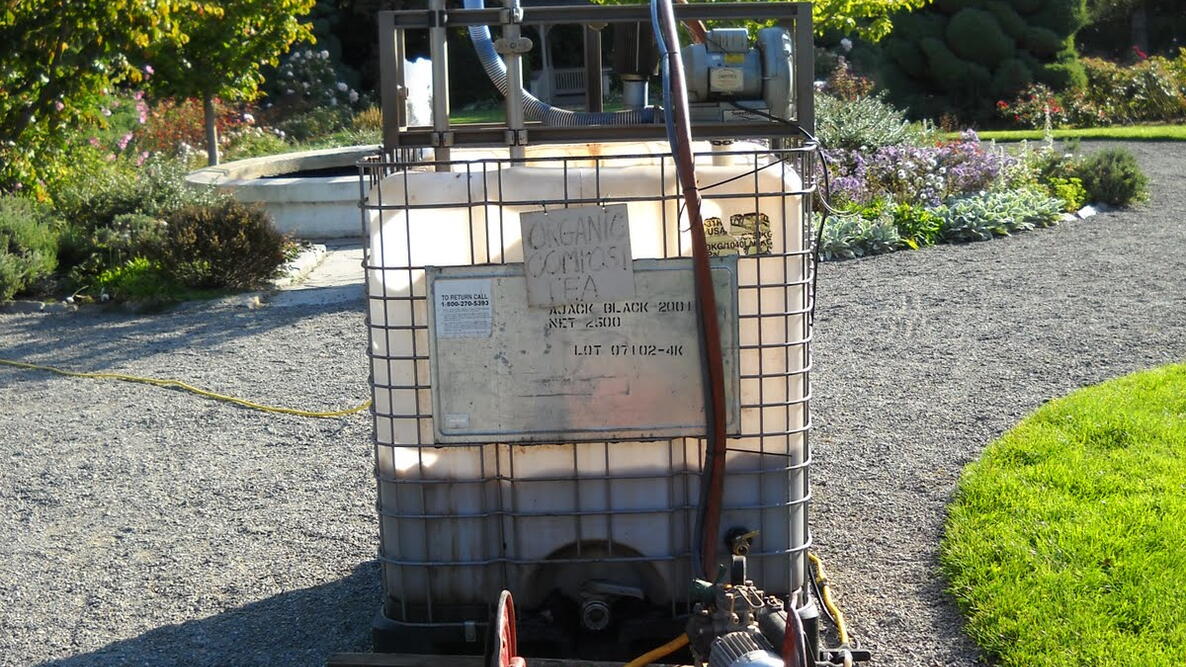
Compost tea is a liquid produced by extracting beneficial microorganisms (microbes)—bacteria, fungi, protozoa, nematodes, and microarthropods—from compost using a brewing process. A true compost tea contains all of the organisms that were present in the compost before brewing. The brewed water extract should also have soluble nutrients from the compost.
Benefits of Using Compost Tea
Improves Soil Health
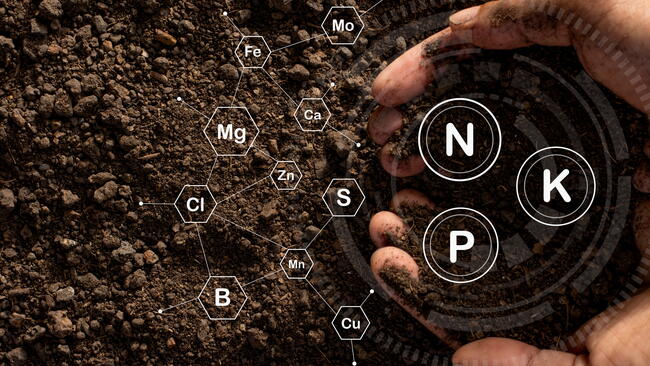
Good tea improves soil health. A healthy soil is less likely to leach nutrients beyond plant root zones. If soil is nutrient-rich, the need for fertilizer is minimized.
Soil structure is improved with regular applications of compost tea. (Good soil structure is important for nutrient and water retention and accessibility.) The biological components in the soil create its structure. For good structure, all organism groups in the food web—bacteria, fungi, protozoa, nematodes, and microarthropods—need to be present. When you add tea, you add these microbes.
Increases Water Retention
Compost tea improves the water retention capacity of soil, which reduces the need for frequent watering.
Supports Root Growth
Compost tea applications stimulate plant root growth. Deeper roots retain moisture better and help reduce runoff.
Compost tea helps loosen clay soils, allowing air and water to move, and aids sandy soils in retaining water and nutrients.
Helps Prevent Plant Diseases
When sprayed onto plants, compost tea adds beneficial microbes to foliage. By occupying leaf surfaces, these organisms prevent potential disease organisms from gaining a foothold.
Reduces Dependence on Chemical Fertilizers
Compost tea combats the negative impact chemical-based pesticides, herbicides, and fertilizers have on beneficial microorganisms.
Unlike store-bought fertilizers, tea recipes can be developed and fine-tuned to target specific conditions and plant needs.
How to Make Compost Tea
You can buy compost tea in stores in powder form (though be sure to test it out first).
Or you can make your own! Compost tea can be made with or without aeration and with or without the addition of supplemental nutrient sources, such as molasses, which provide food for microbes. For best results, aeration and supplements are recommended, and the right compost is critical.
This sample compost tea recipe is good for vegetable crops:
Materials Needed
- 5-gallon bucket, filled with water (let it sit for 24 hours to allow chlorine to evaporate)
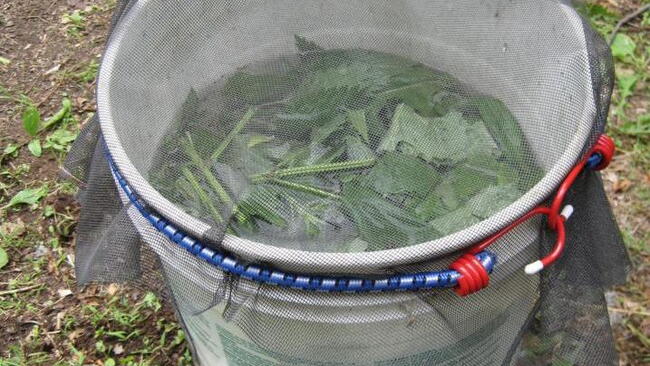
- 1 compost tea brewing bag (either purchase one online or make one from a scrap of meshed material such as burlap or row covering, tied with twine—it should be large enough to hold 5 to 6 pounds of dry ingredients)
- OPTIONAL: 1 fish tank aerator
- OPTIONAL: 1 aquarium thermometer
Ingredients
- 1 large handful of compost
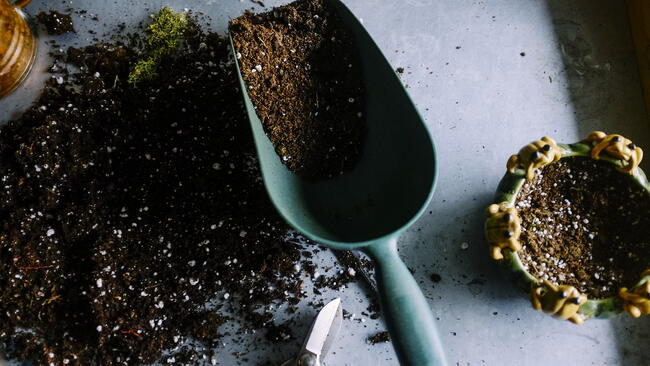
- 1 handful of garden soil
- 2 handfuls of straw
- Optional: 3–5 leaves from a healthy plant
- 1 cup fish hydrolysate (pulverized fish, available at most garden centers)
- 1 cup seaweed extract (available at most garden centers)
Instructions
- Put the first few ingredients into the tea bag, tie the bag tightly, and submerge it in the bucket of water.
- Add the fish hydrolysate and seaweed extract liquids directly to the water. OPTIONAL: If you are using an aerator, place it in the bucket and turn it on.
- Brew the tea for about 36 hours, monitoring temperature—the optimal temperature is between 68° and 72°F. OPTIONAL: Ideally, use an aquarium thermometer.
- Once you are ready to use your compost tea, we like to dilute it to a 3 parts tea to 1 part water ratio before spraying.
- Fill a backpack sprayer. Spray early in the morning or late in the evening to avoid burning leaves in the midday sun. If you do NOT have a backpack sprayer, use a spray bottle to mist foliage or use a watering can to apply tea to the leaves and base of the plant.
Note: If you need to water your garden, do so before you add compost tea, or you’ll end up diluting/washing off the liquid fertilizer.
Best Practices for Brewing Compost Tea
Monitor your brewing conditions. With each new batch, take note of the following:
- Temperature of water during brewing: if you are unable to reach the optimal temperature range, consider buying a small submersible aquarium heater, available at most pet stores.
- Any microbial foods added to the brew (and quantities); this is helpful information to have should you need to tweak the recipe later.
- The length of time tea is brewed: if you find that your tea is not having the desired effects, you may want to increase the brewing time.
- The more information you have, the better equipped you will be to make changes to your recipe and/or brewing conditions if need be.
Tip: Use the tea immediately after brewing; the longer it sits, the less active and effective it will be.
Cleaning and Storage Tips
Be sure to clean your equipment and spray tank well between each brew (dirty equipment can breed harmful bacteria). Hydrogen peroxide or ammonia are appropriate cleaning agents.
Frequently Asked Questions
How often should I apply compost tea?
Most gardeners apply compost tea every 2–4 weeks during the growing season.
Can compost tea replace fertilizer?
Compost tea can reduce the need for fertilizers by improving soil biology, but some plants may still require supplemental nutrients.
What is the best compost for compost tea?
High-quality, mature compost rich in beneficial microorganisms produces the best compost tea.
How long does compost tea last?
Compost tea is most effective when used immediately after brewing. Microbial activity declines quickly after the brewing process ends.
Compost tea is an easy, affordable way to improve soil health, support beneficial microorganisms, and encourage stronger plant growth. Whether you’re growing vegetables, flowers, or ornamental plants, regularly applying compost tea can help create healthier soil, reduce dependence on chemical fertilizers, and promote a more productive garden. By following proper brewing techniques and using quality compost, you can make a nutrient-rich liquid fertilizer right at home.
To learn how to make good compost, watch our video on the perfect compost recipe.




Comments