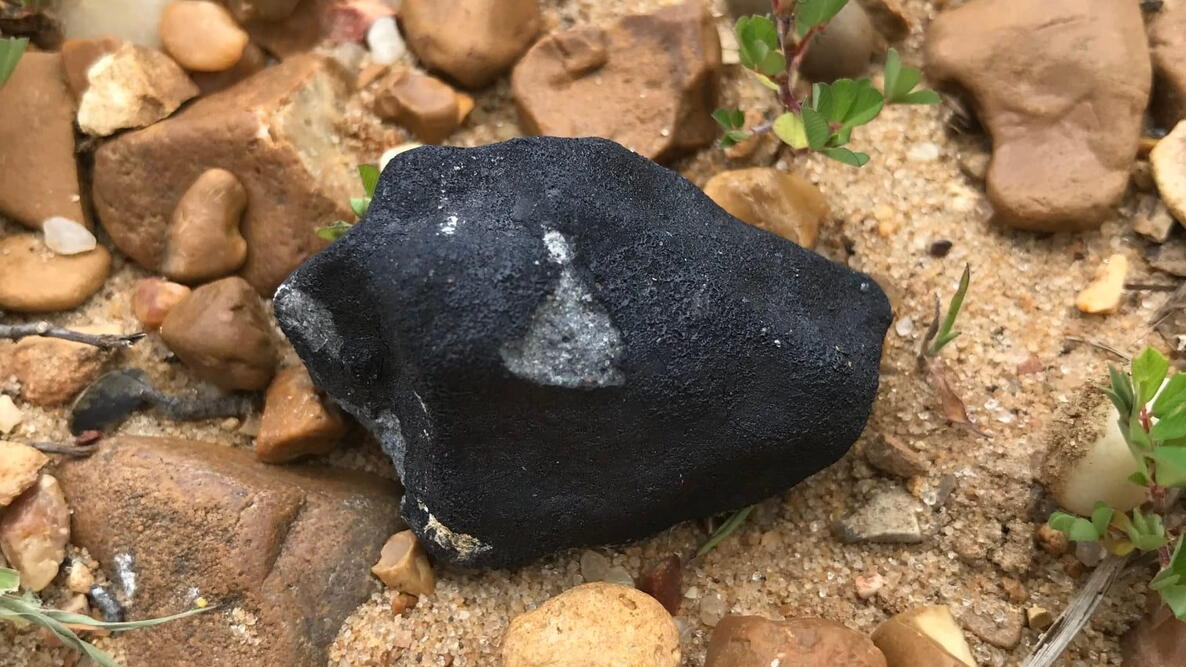
Caption
Meteorite produced by fireball over SW Mississippi. April 27, 2022/

Have you ever dreamed of finding a real piece of outer space? Meteorite hunting is an exciting adventure that lets you search for shooting stars that have fallen to Earth! These fascinating space rocks, called meteorites, can be found in deserts, dry lake beds, and even your own backyard. Whether you’re a beginner or a seasoned stargazer, learning how to find a meteorite is easier than you might think—with the right tools, location, and a bit of luck. Here’s everything you need to know to start your own meteorite hunt.
What is a Meteorite?
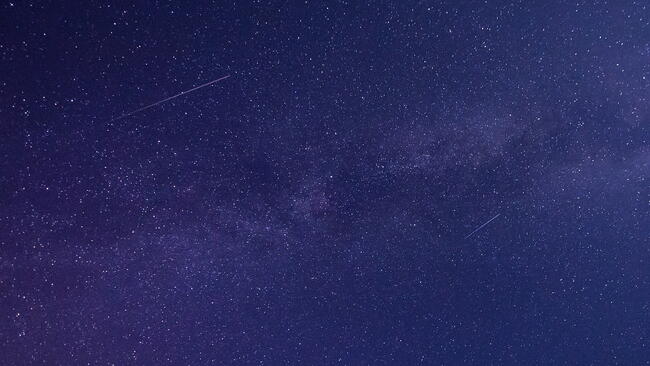
When a meteor, or shooting star, from outer space survives a trip through Earth’s atmosphere and hits the ground, it’s called a meteorite. Learn all about shooting stars!
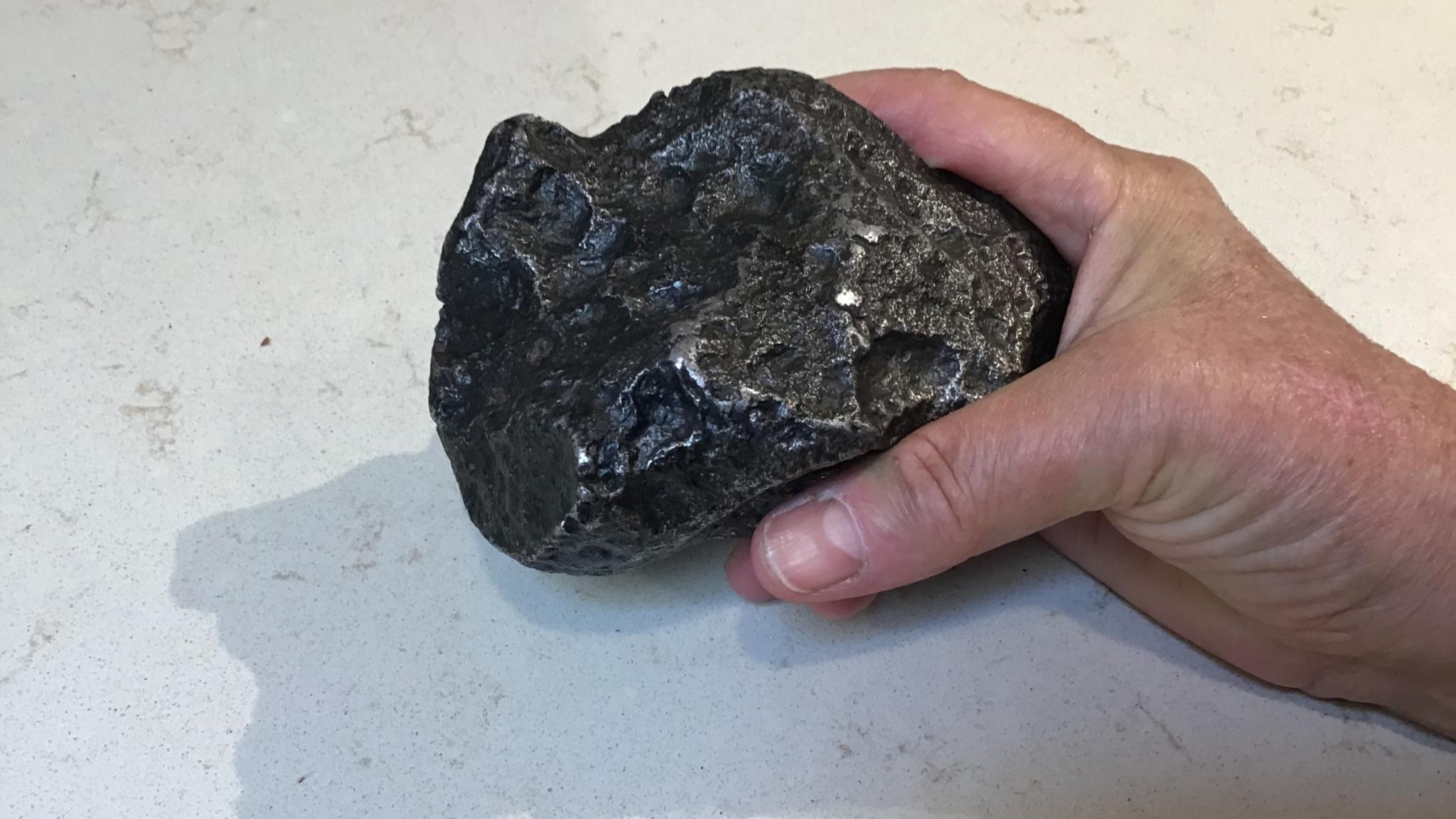
Meteorites resemble Earth rocks, so they can be difficult to identify, but they usually have a burned exterior that can appear shiny.
Many meteorites are the size of a pebble. Some are the size of a fist, but even more are no larger than a speck of dust. Scientists believe that over 10,000 tons of meteors fall on the ground daily.
Once every 100 million years or so, a monster rock six or more miles wide collides with Earth. Such huge objects are not appreciably slowed by air friction and slam into our planet at full cosmic velocity. Then you’ve got a huge crater at minimum, like the Arizona meteor crater near Barringer that a meteor struck 49,000 years ago, or a mass extinction like the one 66 million years ago that ended up changing the view out our windows from dinosaurs to mice. What are the chances of a meteor hitting Earth?
Where Do Meteorites Come From?
As mentioned above, a meteorite is a meteor that falls to the ground on Earth. Most (but not all) are bits that came off of asteroids.
Asteroids are the largest rocks in space. Think of them as minor planets that orbit around the Sun. They are left over from the early formation of our solar system about 4.6 billion years ago.
Most asteroids are found in a ring between the orbits of Mars and Jupiter—called the asteroid belt because the gravity of newly formed Jupiter caused small bodies to collide with one another and fragment. Some are the size of a pickup truck. Others are hundreds of miles across. Through a telescope, an asteroid appears as a point of light.

Some planets and moons don’t have enough atmosphere to protect them against meteor and asteroid impacts. Earth’s Moon, Mercury, and even Mars are covered with round impact craters from these collisions.
Finding a Meteorite!
Every day, dozens of small meteorites fall to the Earth. Those that are seen coming down are called falls. Those that are recovered on the ground are called finds.
Meteorites are of great interest to researchers because studying them helps us to understand the formation and evolution of the solar system. Just think: These space rocks are about 5 billion years old! They are also extremely valuable—worth as much as $1,000 per gram.
If you do find a meteorite, keep in mind that it’s a valuable specimen and an artifact; in fact, if you find one on federal lands, such as a national park, you cannot keep it.
If a meteorite falls on your property, it’s yours—like at the home of Bob and Wanda Donahue in Wethersfield, Connecticut, on November 8, 1982, who donated it to a museum.
Whether you’re hunting on public or private lands, it pays to get permission.
Best Places to Find Meteorites on Earth
Many space rocks fall into our vast oceans, but over 40,000 meteorites have been found on land.
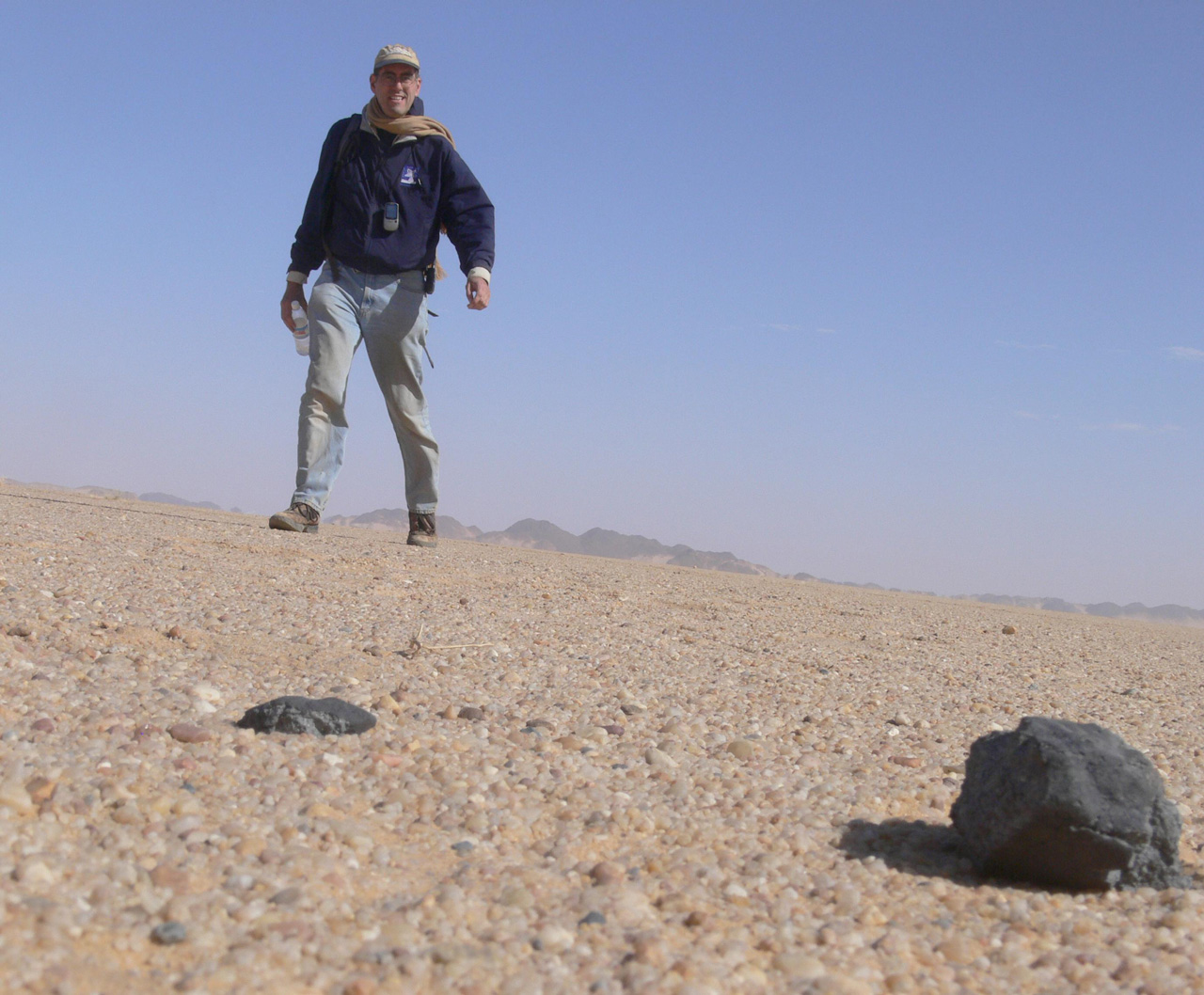
- Sandy deserts are great places to find meteorites because these space rocks appear dark against a light surface. The Mojave Desert in California is one of the most popular hunting grounds in the U.S.
- Frozen regions, such as Antarctica’s Miller Range, are also ideal hunting grounds.
- Dry lake beds, such as Rosamond, Muroc, and Lucerne in the Mojave, are also great places to search.
- There have also been a lot of finds in what are called “strewn fields” in parts of Arizona and New Mexico.
- Other finds have been in the great expanses that lack regular rocks, such as the Great Plains. You may find meteorites amongst the rock walls that farmers build between fields.
3 Steps to Start Meteorite Hunting
Many meteorite hunters carry a metal detector. Most meteorites contain metallic iron-nickel, which is magnetic.
- Tape a strong magnet to the end of a broom handle. Since a meteorite contains a lot of iron, it will stick to your magnet.
- If it’s an ordinary rock with lots of iron, it may stick, too.
- Examine the rock and ask these questions:
- Is the rock black (versus grey or brown)?
- Is it denser than “normal” rock and solid without pores?
- Does it have a thin, glassy coating? (This is called a fusion coat and is formed when the meteorite superheats during its fall through Earth’s atmosphere.)
- Does the rock have scalloped edges? Is the corner slightly round?
- Is the interior metallic silver?
If the answers to all of the above questions are yes, you may have a meteorite!
If recovered, it is best to place them in a clean plastic bag or wrap them in aluminum foil. Meteorites should also be handled as little as possible to help preserve their scientific value.
Fun Meteorite Facts
- The largest meteorite ever found in the United States weighed 15 tons and was found in 1902 in Willamette, Oregon.
- Since 1978, teams of scientists have collected over 15,000 meteorite specimens from Antarctica. They are easier to find on that continent’s snow-white surface.
- One of Canada’s most notable meteorites was found near Tagish Lake in northern British Columbia by Jim Brook on January 25, 2000. He almost mistook it for wolf poop.
Don’t worry. Most meteors are very small, and the Earth is huge. Despite the current hype and many rumors, there has been only one confirmed case of a meteor actually hitting anyone.
Frequently Asked Questions
How do you know if you’ve found a meteorite?
Meteorites are usually dark, dense, and magnetic. They often have a thin, black “fusion crust” from burning through Earth’s atmosphere and may appear slightly rounded with metallic flecks inside.
Do you need permission to collect meteorites?
Yes, always get permission before searching on private property or public lands. Meteorites found on federal land typically belong to the government, while those found on your own property are yours to keep.
What tools do you need to hunt meteorites?
A strong magnet, a metal detector, gloves, and a collection bag are basic essentials. A GPS device and map are also helpful for documenting where you search.
How valuable are meteorites?
Meteorites can be worth anywhere from a few dollars to thousands per gram, depending on rarity, type, and condition. Specimens with unique origins—like lunar or Martian meteorites—are especially valuable.
What should I do if I find a meteorite?
Handle it as little as possible, place it in a clean plastic bag or wrap it in foil, and contact a local museum, university, or meteorite expert for verification.
Can a meteorite fall in my backyard?
Yes! Meteorites fall all over the world every day. While most are tiny and go unnoticed, occasionally, a larger one makes it to the ground intact.
Have you ever gone meteorite hunting? Tell us all about it!


That's super extreme continental drift! Thank you both!
Hi, Anne,
At this time, the largest meteorite found on Earth is the Hoba meteorite. Discovered in 1920 near Grootfontein, Namibia, in southwest Africa, it is estimated to currently weigh about 66 tons and measures roughly 9 feet x 9 feet x 3 feet. It is thought to have fallen to Earth about 80,000 years ago.
Yes, you can see a fireball type of meteor in daylight but it must be very bright in that case (brighter than magnitude -6, according to the American Meteor Society). Especially so if it is near the sun in the sky.
- « Previous
- 1
- 2
- …
- 10
- Next »

Comments