
The Origins, Meaning, and Traditions of Kwanzaa

Kwanzaa—a celebration of family, community, and culture—begins on Friday, December 26. Learn about the traditions of Kwanzaa, and try our delicious recipe for curried Kwanzaa stew!
What Is Kwanzaa?
Kwanzaa is a weeklong holiday celebration of African American culture held annually from December 26 to January 1, culminating in a communal feast.
This is not a religious holiday but a cultural celebration based on African harvest festival traditions and is a way to celebrate African heritage and legacy, much like other cultural celebrations.
Fundamentally, Kwanzaa celebrates family, culture, community, and the harvest during the dark days of winter. The word Kwanzaa comes from the Kiswahili phrase matunda ya kwanza, meaning “first fruits [of the harvest].”
The 7-day festival focuses on seven essential principles, known as the Nguzo Saba, each represented by 1 day of the 7-day celebration. These principles are:
- unity (umoja),
- self-determination (kujichagulia),
- collective work and responsibility (ujima),
- cooperative economics (ujamaa),
- purpose (nia),
- creativity (kuumba), and
- faith (imani).
Despite the fact that it is often thought of as a substitute for Christmas or Hanukkah, Kwanzaa is not a religious holiday, and families who celebrate Kwanzaa often celebrate it in addition to Christmas, Hanukkah, or another religious holiday.
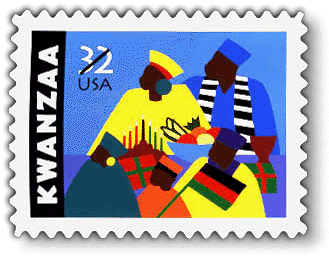
History of Kwanzaa
You may be surprised to learn that the modern holiday of Kwanzaa is a relatively new creation, though it has its roots in traditions that go back generations.
First celebrated in 1966, Kwanzaa is the brainchild of Dr. Maulana Karenga—an African American author, professor, and activist—to nurture the community and cultural spirit of African Americans.
While created with the traditional African harvest festivals in mind, Kwanzaa itself is uniquely North American, celebrated mainly in the United States, Canada, and the Caribbean.
While the holiday is focused on the African American community, all people are invited to celebrate and learn about the values of Kwanzaa and African American culture.
When Is Kwanzaa?
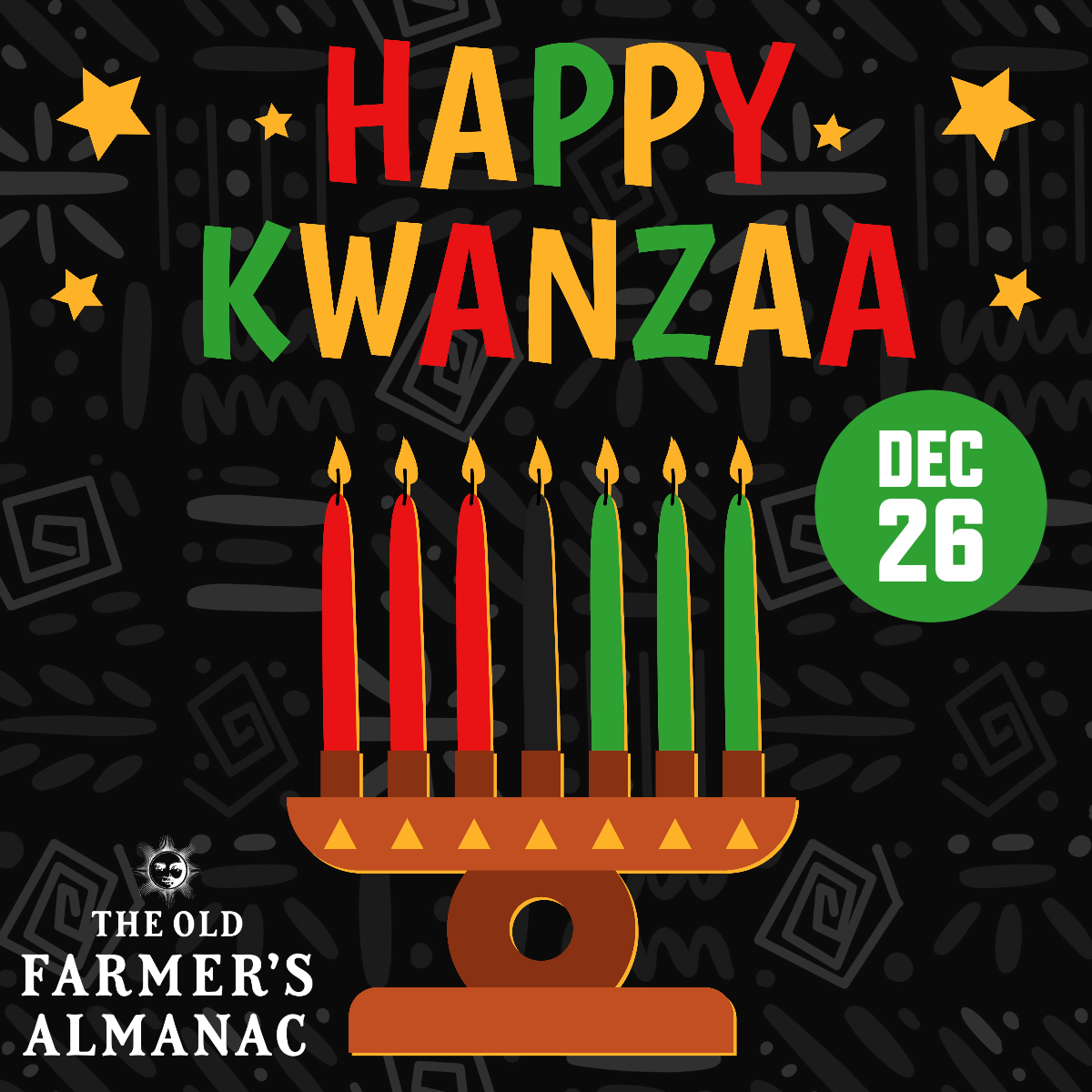
Kwanzaa is an annual holiday that begins on December 26 and lasts through January 1. In 2025, it will begin on Friday, December 26.
| Year | First Day of Kwanzaa | Last Day of Kwanzaa |
|---|---|---|
| 2025 | Friday, December 26 | Thursday, January 1, 2026 |
| 2026 | Saturday, December 26 | Friday, January 1, 2027 |
| 2027 | Sunday, December 26 | Saturday, January 1, 2028 |
| 2028 | Tuesday, December 26 | Monday, January 1, 2028 |
Celebrating Kwanzaa
During Kwanzaa, people traditionally decorate their homes with straw mats, ears of corn, and a candleholder called a kinara, which is adorned with red, green, and black candles.
- Red is said to represent ancestry and unity.
- Black, the people.
- Green, the fertile land (Africa).
A candle is lit for each day of Kwanzaa, and celebrants may also exchange gifts.
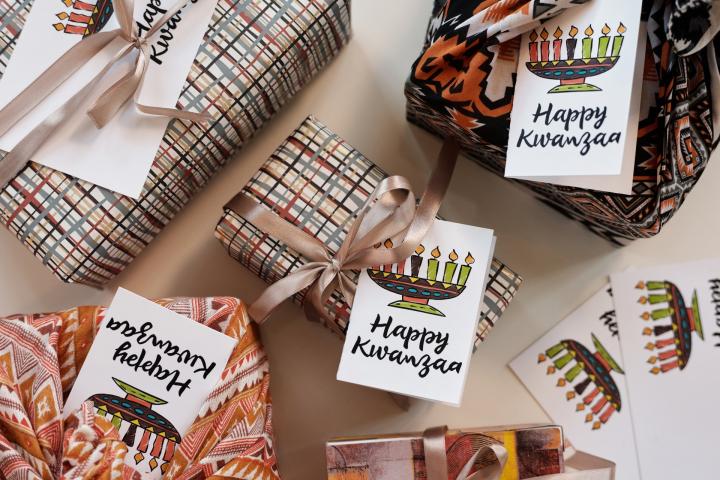
The entire celebration is capped with a feast on December 31, which is usually held at a community center and features traditional music and dancing.
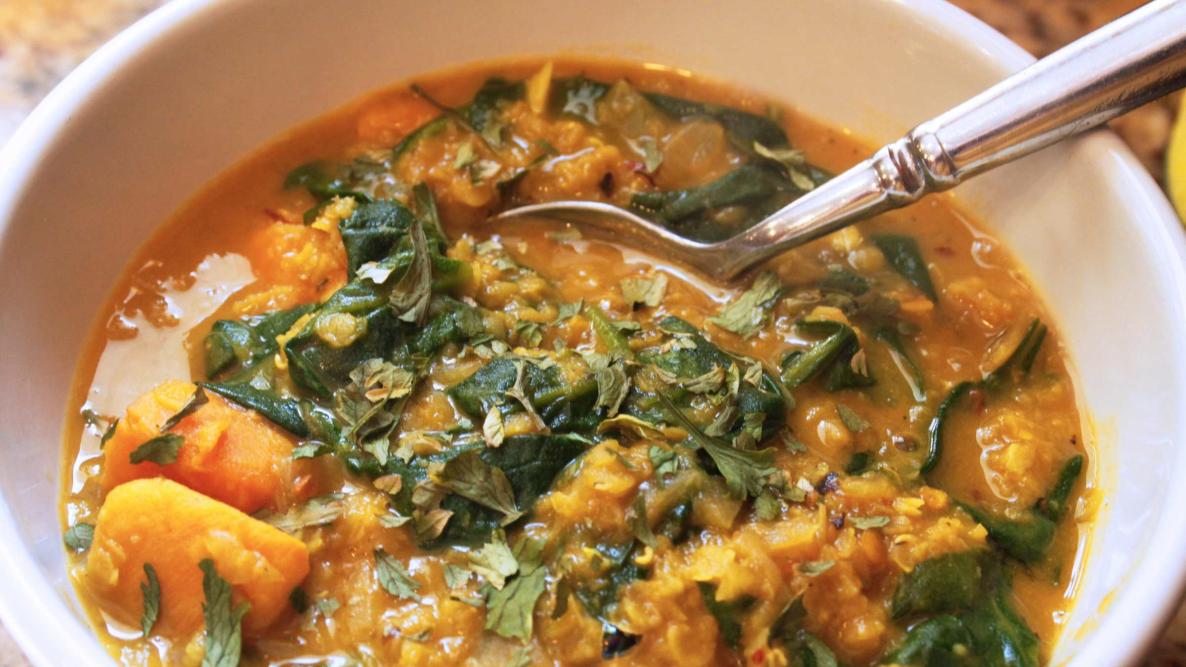
Do you plan to celebrate with a feast? Perhaps try including this curried Kwanzaa stew.
The Kiswahili phrase Habari gani—meaning “What is the news?”—is used as a greeting among family and friends. (The response to this phrase should be one of the seven principles associated with that day.)
Frequently Asked Questions
What is Kwanzaa, and why is it celebrated?
Kwanzaa is a weeklong celebration of African American culture, heritage, and unity. It was created in 1966 by Dr. Maulana Karenga to honor traditional African harvest festivals and emphasize the importance of family, community, and shared values.
When does Kwanzaa start and end?
Kwanzaa begins on December 26 and ends on January 1 each year.
Do people exchange gifts during Kwanzaa?
Yes, families often exchange handmade or meaningful gifts that reflect creativity, love, and the principles of Kwanzaa. Gifts are typically given on the final day of the celebration, January 1.
What foods are traditionally served during Kwanzaa?
Kwanzaa feasts, called Karamu, are held on December 31 and include African-inspired dishes such as curried Kwanzaa stew, jollof rice, collard greens, sweet potatoes, and cornbread. The feast celebrates community, gratitude, and cultural heritage.
Is Kwanzaa a religious holiday?
No, Kwanzaa is not religious—it’s a cultural celebration. Many families celebrate Kwanzaa alongside Christmas, Hanukkah, or other religious holidays.
If you observe Kwanzaa, please share your traditions below!
More Like This


Comments