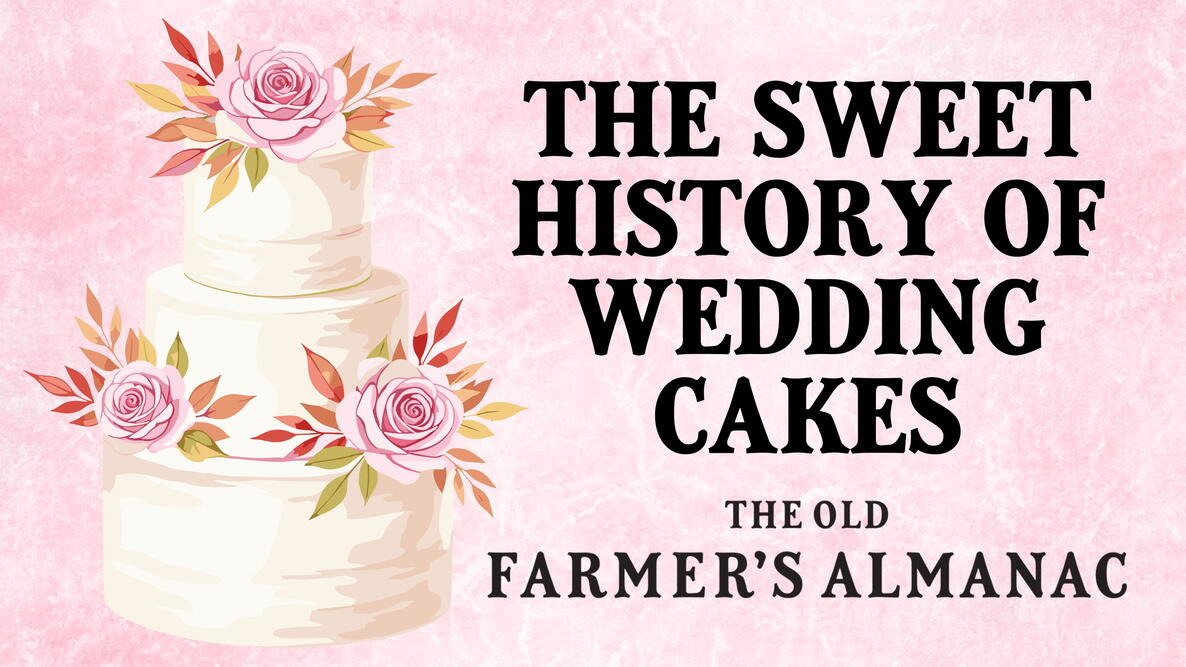

Wedding cake traditions date back centuries and remain an important part of modern wedding celebrations. From ancient fertility rituals to today’s elegant tiered designs, the history of wedding cakes reflects changing customs, tastes, and symbolism. Read on to discover how wedding cake traditions evolved into the beloved centerpiece we recognize today.
Early Wedding Cake Traditions
The earliest wedding cake traditions were very different from the sweet confections we enjoy now. In ancient times, weddings featured small wheat cakes that were broken over the bride’s head. This ritual symbolized good luck, fertility, and prosperity for the newly married couple.
Wedding Cakes in Elizabethan Times
During the Elizabethan era, wedding guests were often given small spiced cakes to toss over the bride’s head for good fortune. Afterward, the remaining cakes were stacked high on a table at the reception. The bride and groom attempted to kiss over the pile without knocking it over—an act believed to bring blessings and happiness to their marriage.
The Origin of Tiered Wedding Cakes
In the 1660s, French pastry chefs working for King Charles II introduced icing to the stacked cakes, creating a more stable and decorative design. This innovation led to the development of tiered wedding cakes, which are now a hallmark of wedding receptions.
It is also believed that the traditional three-tier wedding cake was inspired by the unique shape of the spire of Saint Bride’s Church in London, further cementing the connection between architecture and wedding cake design.

Bride’s Cake vs. Groom’s Cake
Traditionally, brides favored light, airy cakes made with egg whites, known as silver cakes, as well as gold or yellow pound cakes. Grooms, on the other hand, preferred dark, rich fruitcakes.
Today, groom’s cakes have evolved to reflect personal tastes. Chocolate and other favorite flavors are common, and many grooms decorate their cakes with themed toppers, such as a top hat or hobby-related design.
Why Couples Save the Top Tier
One enduring wedding cake tradition is saving the top layer of the cake. Couples often freeze this tier and share it on their first wedding anniversary, symbolizing continuity, good fortune, and lasting love.
A Tradition That Endures
From wheat cakes and spiced treats to modern tiered masterpieces, wedding cake traditions have transformed while maintaining their symbolic roots. Whether traditional or contemporary, the wedding cake remains a sweet celebration of love, unity, and history.
Frequently Asked Questions
Why are wedding cakes traditionally white?
Wedding cakes became white in the Victorian era, when refined white sugar symbolized wealth and purity. White icing also represented cleanliness and elegance, making it a popular choice for formal weddings.
What does the wedding cake symbolize?
The wedding cake symbolizes unity, prosperity, and good fortune. Sharing the cake represents the couple’s commitment to support and nourish one another throughout their marriage.
Why is a wedding cake tiered?
Tiered wedding cakes originated from stacking small cakes at receptions. Over time, icing made it possible to stabilize the layers, creating the multi-tiered designs that are now traditional and visually striking.
What is the purpose of a groom’s cake?
The groom’s cake traditionally reflected the groom’s preferences and was often a darker, richer cake. Today, it serves as a fun way to showcase the groom’s personality, favorite flavors, or hobbies.
Why do couples save the top layer of their wedding cake?
Saving the top tier is believed to bring good luck and symbolize continuity in marriage. Many couples enjoy the saved cake on their first anniversary as a reminder of their wedding day.
Can wedding cakes be nontraditional?
Absolutely. Modern couples often choose non-traditional wedding cakes, including cupcakes, dessert tables, or unique flavors and designs, while still honoring the symbolism behind the tradition.

More Like This
I let my groom choose our cake. He wanted marble for the bottom and middle layers and chocolate for the top layer. We took the top layer home and froze it. We ate a piece on our first wedding anniversary. It was still delicious!

Comments