
Before seed packets and planting calendars, gardeners looked to the land itself for guidance. When lilacs bloomed, beans went in. When dandelions appeared, potatoes followed. This time-tested practice—called phenology—uses nature’s seasonal cues to tell us when conditions are truly right for planting. By tuning in to blooms, bird migrations, and leaf-out times, you can garden in rhythm with your local climate and plant with greater confidence each spring.
Most of us may not be familiar with the term “phenology” even though it’s been part of The Old Farmer’s Almanac culture for centuries. Look up almost any weather or farming adage, and you’ll find it is based on phenology.
What is Phenology?
Phenology is the study of seasonal plant and animal events—such as flowering and migration—to guide planting and harvesting decisions.
What is it, though? Phenology is the study of cyclical natural phenomena and events—from bud burst to bird migration—and then letting nature’s timing help you understand when to plant and harvest. Native and ornamental plants act as nature’s “alarm clock” by signaling that temperatures and precipitation are optimal for planting.
Since average frost dates are just an estimate, observing the plant and animal activity can be very helpful. While not totally foolproof, following nature’s clock helps us tune in to the rhythm of life around us.
Examples of Phenology
Nature’s “signs” are different in every region; however, you should still relate to these examples:
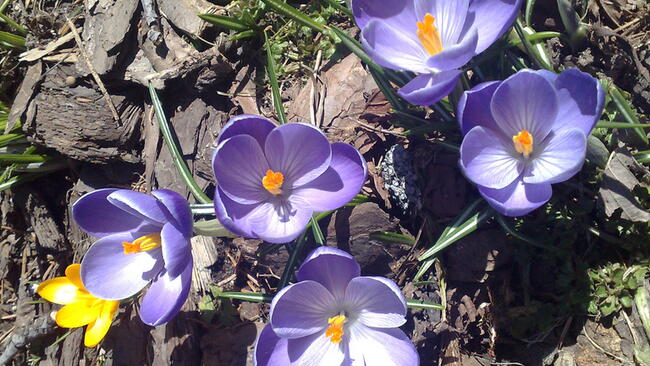
- Blooming crocuses are your cue to plant radishes, parsnips, and spinach.
- When the forsythia is in bloom, it is safe to plant peas, onion sets, and lettuce.
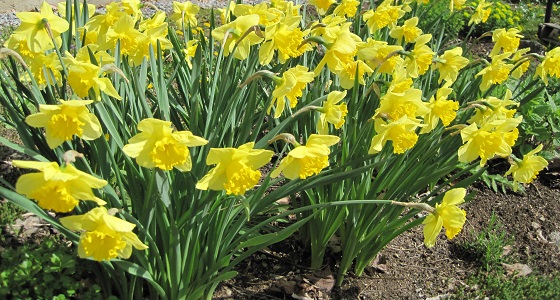
- Half-hardy vegetables, including beets, carrots, and chard, can be planted when the daffodils blossom.
- Look for dandelions to bloom before planting potatoes.
- Perennial flowers can be planted when the maple trees begin to leaf out.
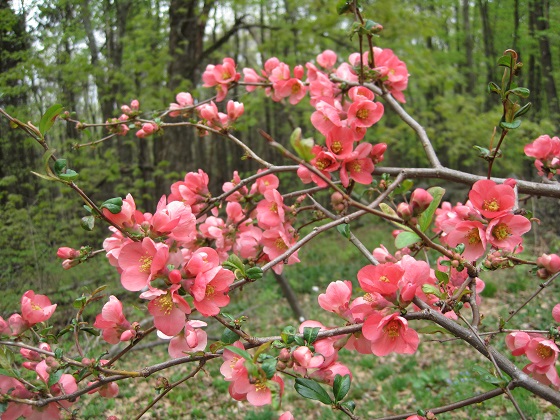
- When quince is blossoming, transplant cabbage and broccoli.
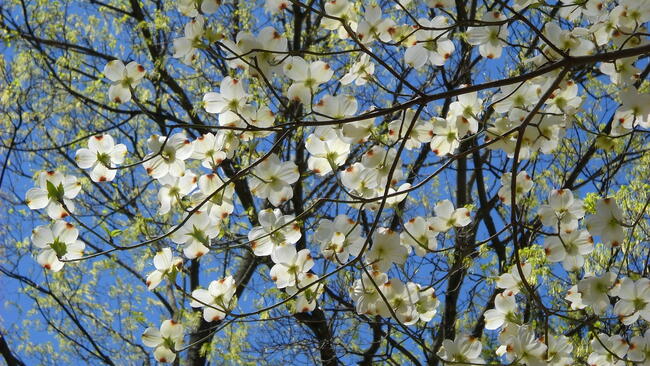
- Wait for apple trees to bloom before planting bush beans.
- When the apple blossoms fall, plant pole beans and cucumbers.
- By the time the lilacs are in full bloom, it will be safe to plant tender annual flowers and squashes.
- Transfer tomato transplants to the garden when lily-of-the-valley is in full flower.
- Full-sized maple leaves signal time to plant morning glory seeds.
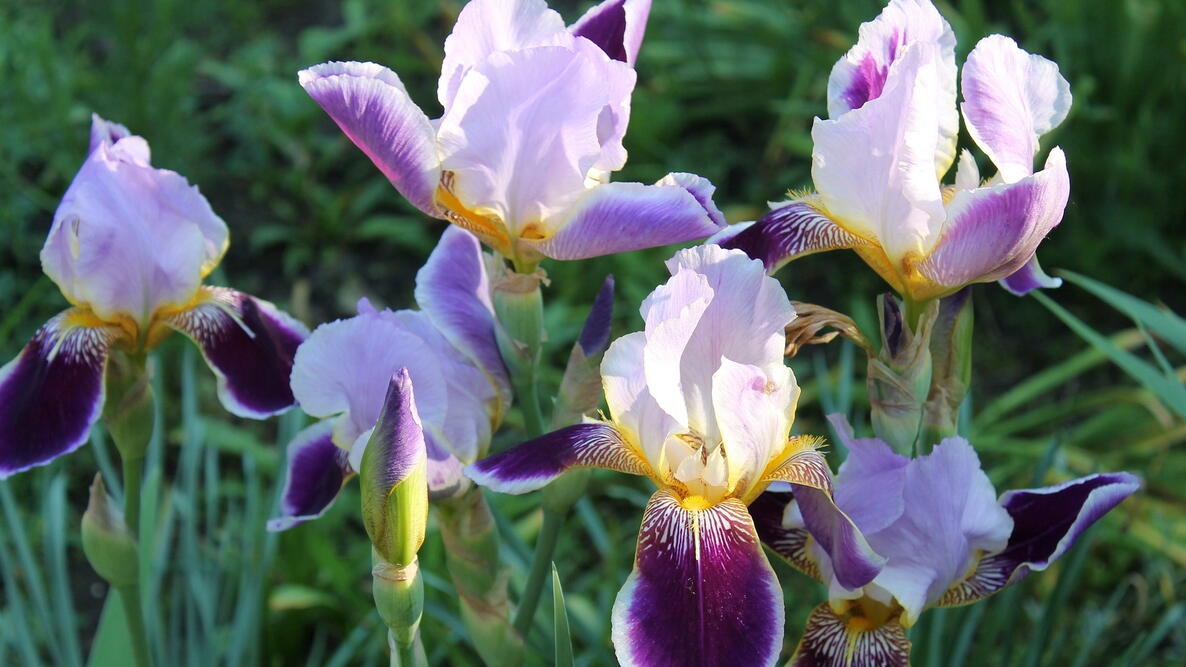
- Peppers and eggplant can be transplanted when the bearded irises are blooming.
- When peonies blossom, it is safe to plant heat-loving melons, such as cantaloupe.
How to Observe Nature’s Cues
What are the seasonal cues where you live? Observe the connection between “firsts” and what’s happening in the yard and garden:
- First bud (of various plants)
- First bloom (of various plants)
- First animal migration
- First appearance of different insects
- First emergence of hibernating animals
- First amphibian (like spring peepers)
Other natural phenomena, such as bird migrations and the emergence of insects and amphibians, also signify the coming of spring. It only makes sense to use these events as indicators of when the weather is right for planting. Observations made over many years have led to some fairly reliable conclusions!
For many gardeners and farmers, nature is more predictable than historic frost dates. However, it’s always a good idea to check planting dates by first frost dates as well. See our Planting Calendar to find the best times to plant seeds—based on frost dates as well as Moon-favorable dates.

Frequently Asked Questions
What is phenology in gardening?
Phenology is the study of seasonal plant and animal events—such as flowering, leafing out, and migration—to help determine the best times to plant and harvest crops.
Is planting by phenology more accurate than frost dates?
Often, yes. Frost dates are averages, while phenology reflects real-time local conditions like soil temperature and weather patterns.
What are examples of phenology planting signs?
Common signs include planting peas when forsythia blooms, sowing potatoes when dandelions flower, and transplanting tomatoes when lily-of-the-valley is in bloom.
Does phenology work in every region?
Yes, but the specific signs vary by location. Gardeners should observe plants and wildlife native to their area for the most reliable cues.
Can I use phenology and a planting calendar together?
Absolutely. Combining phenology with frost-date calendars and soil temperature data provides the most dependable planting strategy.
What signs do you watch for in your garden to know spring has arrived? Share your local phenology cues in the comments and help fellow gardeners plant with confidence!
More Like This
I am not aware of any one book that deals solely with phenology, though such a book would be a big hit with gardeners! I was first introduced to this concept while reading "The Old Farmer's Almanac Book of Garden Wisdom" by Cynthia Van Hazinga. It has one page about phenology that sparked my interest and I have been collecting snippets of this folk wisdom ever since. You might find the website for the National Phenology Network (USANPN.org) to be of interest.
Sorry about that typo! I'm waiting for the peepers too. They are a sure sign of spring!
Luckily for me rabbits are one critter I don't have to deal with but we do have woodchucks and porcupines. Fencing has been the best solution for them. It is time consuming since you need to bury a portion of the fence to deter them from digging under. Depending on the size of your garden, fencing can be costly as well. There are sprays and homemade concoctions that can be used to repel them. Bear in mind that most need to be reapplied regularly especially after it rains. You probably don't want to spray anything you are going to eat.
- « Previous
- 1
- 2
- …
- 10
- Next »

Comments